
Achieving Maximum Shine: 5-Step Process Using Sonax Profiline Ceramic Coating
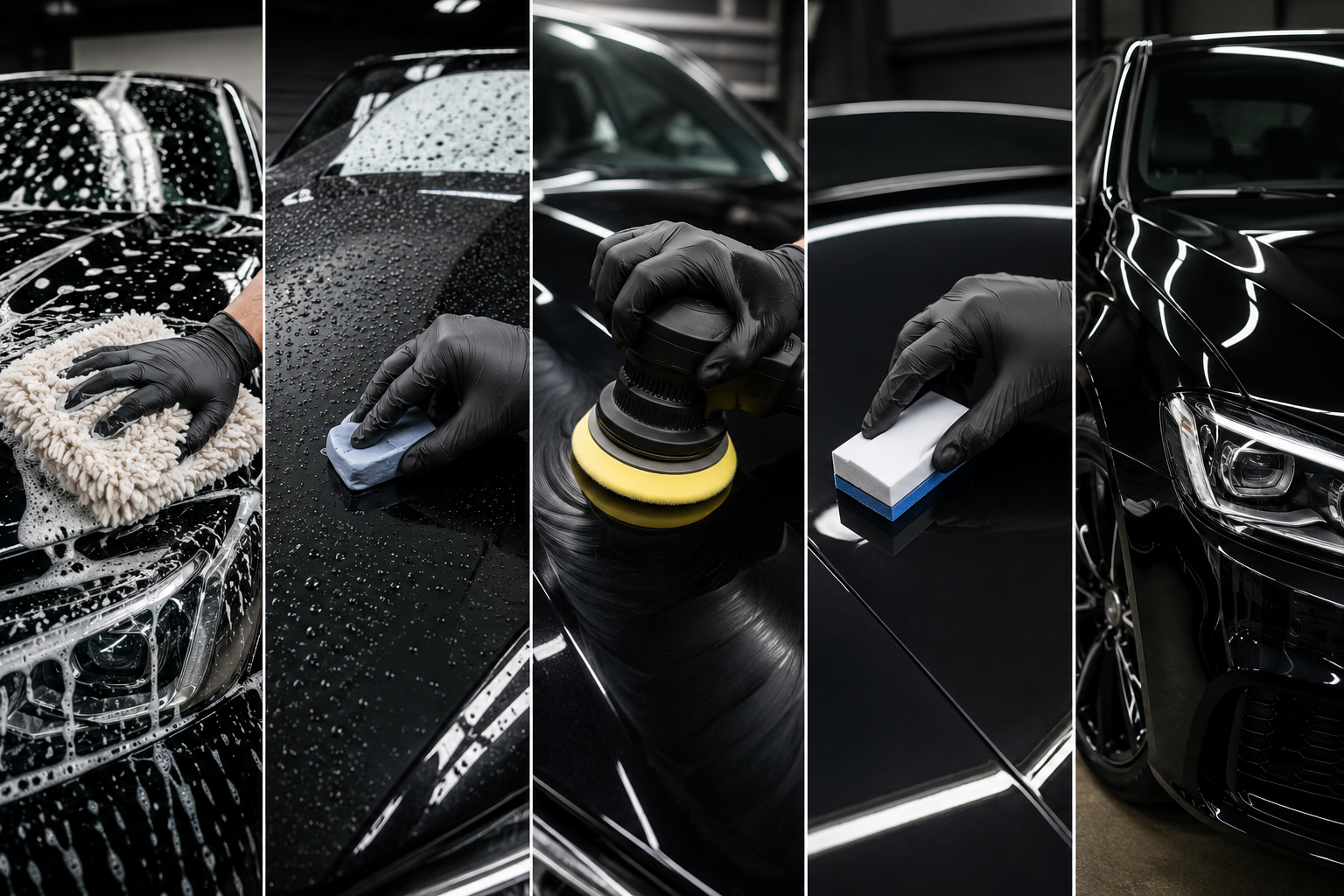
You’re about to invest in ceramic coating for that perfect mirror finish—but there’s a critical step most car owners overlook that determines whether you’ll get showroom results or permanently sealed-in scratches. Here’s what professionals know that could save you from an expensive mistake.
Quick Answer
Paint correction is essential before applying ceramic coating because ceramic coatings permanently seal the current condition of the paintwork. Any swirl marks, scratches, oxidation, or holograms left untreated become magnified under the coating’s glossy transparent finish.
Key Takeaways
- Paint correction prevents defects from being permanently sealed under the protective layer before ceramic coating application
- Ceramic coatings are transparent and magnify existing paint imperfections like swirl marks, scratches, and oxidation
- Proper paint preparation ensures maximum coating adhesion, durability, and the mirror-like finish ceramic coatings provide
- Brand-new vehicles often benefit from light paint correction to remove transport and dealership-related imperfections
- The multi-stage correction process typically takes more time than the coating application itself, highlighting its importance
Ceramic Coatings Lock In Current Paint Condition
Ceramic coatings create a permanent bond with your vehicle’s clear coat, effectively sealing whatever condition the paint is in at the time of application. This transparent protective layer doesn’t hide imperfections—it amplifies them. Think of ceramic coating as applying a magnifying glass over your paintwork; every swirl mark, scratch, and blemish becomes more visible under the coating’s crystal-clear finish.
Definition: A clear coat is the transparent protective layer applied over a vehicle’s paint to enhance gloss and protect against UV rays, contaminants, and scratches.
The chemical bonding process that makes ceramic coatings so durable also makes them unforgiving. Once cured, removing defects requires either coating removal or aggressive polishing that can damage the coating itself. This is why professional detailers and automotive care specialists like those at IPS Paint emphasize that paint correction isn’t optional—it’s fundamental to achieving the showroom finish ceramic coatings promise.
Understanding this principle matters for anyone considering ceramic coating application. The coating will preserve your paint’s current state for years to come, making pre-application correction the difference between a flawless finish and a disappointing result that highlights every imperfection.
Definition: Ceramic coatings for vehicles are liquid polymer protective coatings that bond chemically with a vehicle’s paintwork to create a durable, hydrophobic layer of protection. Designed to shield paint surfaces from UV rays, road grime, oxidation, chemical contaminants, and water spotting, ceramic coatings enhance gloss whilst making vehicles easier to clean and maintain. Unlike traditional waxes, ceramic coatings provide longer-lasting protection and improved resistance to environmental damage for cars, vans, commercial vehicles, and motorcycles.
Ceramic Coating Is Ideal For:
- performance vehicles
- commercial vehicles
- luxury cars
- dark-coloured paintwork
- vehicles exposed to harsh weather
- enthusiasts wanting long-term paint protection
Paint Correction Removes Hidden Imperfections
Paint correction addresses three primary categories of defects that can compromise ceramic coating results. Each type requires specific attention and techniques to achieve the smooth, defect-free surface necessary for optimal coating performance.
1. Swirl Marks and Micro-Scratches
Swirl marks appear as circular patterns in direct sunlight, typically caused by improper washing techniques, automatic car washes, or poor-quality microfibre cloths. These microscopic scratches scatter light, creating a hazy appearance that becomes dramatically more visible under ceramic coating. Machine polishing with progressively finer compounds removes these defects by leveling the clear coat surface.
2. Water Spots and Oxidation
Water spots form when mineral deposits etch into the clear coat, while oxidation creates a chalky appearance from UV damage. Both issues penetrate beyond the surface, requiring compound polishing to remove the damaged clear coat layers. Oxidation is particularly common on darker colors and can make even expensive vehicles appear dull and aged.
Definition: Oxidation is a chemical reaction that occurs when a vehicle’s paintwork or metal surfaces are exposed to oxygen, sunlight, moisture, and environmental contaminants over time. In automotive paint, oxidation causes fading, dullness, chalky residue, and loss of gloss, particularly on unprotected surfaces. Regular washing, polishing, and protective coatings such as waxes or ceramic coatings help reduce oxidation and preserve the appearance of vehicle paintwork.
3. Holograms from Previous Polishing
Holograms are rainbow-like patterns left by rotary polishers or incorrect polishing techniques. These defects are especially problematic because they indicate uneven clear coat thickness. Proper correction involves careful assessment of the remaining clear coat and methodical polishing to create uniform surface depth.
What Happens Without Paint Correction
Skipping paint correction before ceramic coating application leads to predictable and disappointing results that can’t be easily remedied without starting over.
Magnified Surface Defects
Ceramic coatings act like high-definition television for your paintwork—every flaw becomes magnified and permanently visible. Swirl marks that were barely noticeable before coating become prominent circular patterns that catch light at every angle. Scratches that seemed minor transform into obvious defects that dominate the vehicle’s appearance, particularly under direct sunlight or artificial lighting.
Poor Coating Adhesion
Contaminants, polishing oils, and surface irregularities prevent proper chemical bonding between the coating and clear coat. This results in reduced durability, uneven hydrophobic properties, and potential coating failure. Areas with poor adhesion may develop water spotting, lose their self-cleaning properties, or begin peeling within months rather than lasting the expected years.
Definition: Hydrophobic protection refers to a water-repellent surface effect that causes water to bead and slide off vehicle paintwork.
The 5-Step Ceramic Coating Preparation Process
- Thorough vehicle decontamination
- Paint defect assessment
- Multi-stage paint correction
- Surface preparation and panel wipe
- Ceramic coating application
Even New Cars Need Light Correction
The assumption that new vehicles have perfect paint is a costly misconception that affects ceramic coating results. Dealership preparation, transport damage, and manufacturing processes introduce various defects that require attention before coating application.
Transport trucks, rail cars, and ship containers subject new vehicles to dust, debris, and handling that creates micro-scratches and contamination. Dealership washing and detailing often uses aggressive techniques or contaminated equipment that adds swirl marks. Even the manufacturing process can leave polishing marks, orange peel texture, or contamination that affects coating adhesion.
Professional assessment typically reveals the need for at least single-stage correction on new vehicles. This light polishing removes transport-related defects, dealership swirl marks, and prepares the surface for optimal coating bonding. The investment in new car correction pays dividends in coating performance and appearance quality.
Ceramic Coating Preparation Checklist
✔ Wash vehicle thoroughly
✔ Remove iron fallout
✔ Clay bar contamination removal
✔ Assess paint defects
✔ Machine polish paintwork
✔ Remove polishing oils
✔ Apply ceramic coating indoors
Common Ceramic Coating Mistakes
- Skipping paint correction
- Applying coating in direct sunlight
- Failing to remove polishing oils
- Using contaminated microfiber cloths
- Applying coating to dirty paintwork
The Multi-Stage Paint Correction Process
Professional paint correction follows a systematic approach that ensures every surface is properly prepared for ceramic coating application. This methodical process typically requires more time than the coating application itself.
Definition: Paint correction is the process of machine polishing automotive paintwork to remove swirl marks, scratches, oxidation, holograms, and surface imperfections before protective coatings are applied.
1. Thorough Decontamination
Decontamination begins with careful washing using pH-neutral products and proper techniques to avoid adding scratches. Iron removers eliminate embedded brake dust and industrial fallout, while clay bar treatment removes bonded contaminants that polishing compounds cannot address. This stage creates a contamination-free surface needed for accurate defect assessment.
2. Defect Assessment
Paint thickness measurements and detailed inspection under various lighting conditions reveal the extent of correction needed. This assessment determines whether single-stage polishing suffices or if multi-stage correction is necessary. Understanding clear coat thickness prevents paint damage during safe correction.
3. Compound and Polish Selection
Different paint systems require specific products and techniques. Hard paints may need aggressive compounds, while soft paints respond better to lighter products. Professional detailers match product selection to paint hardness, defect severity, and desired finish quality.
4. Machine Polishing Technique
Dual-action or rotary polishers systematically remove defects through controlled abrasion. Working in small sections ensures consistent results and prevents overheating that can damage modern clear coats. Proper technique involves overlapping passes, appropriate pressure, and monitoring for optimal correction.
5. Final Surface Preparation
Isopropyl alcohol or specialized panel wipes remove polishing oils and residues that prevent coating adhesion. This final step ensures the surface is chemically clean and ready for coating application. Any remaining contamination will compromise coating performance and durability.
What Happens If You Apply Ceramic Coating Without Paint Correction?
- Swirl marks become more visible
- Scratches become permanently sealed in
- Gloss appears uneven
- Coating adhesion may weaken
- Water behaviour becomes inconsistent
Professional Results vs DIY Correction
The decision between professional and DIY paint correction depends on several factors that directly impact ceramic coating success.
Equipment and Expertise Requirements
Professional correction requires significant investment in quality polishers, various pads, compounds, and lighting equipment. More importantly, expertise in paint assessment, product selection, and technique development takes years to master. Mistakes during correction can cause irreversible damage that requires expensive repainting.
DIY enthusiasts can achieve good results on newer vehicles with minor defects, but severely damaged paint or valuable vehicles benefit from professional expertise. Understanding personal skill limitations prevents costly mistakes that exceed the savings from DIY correction.
Cost Considerations
Professional correction costs vary based on vehicle size, paint condition, and desired finish quality, but the investment typically represents 30-50% of the total ceramic coating project cost. While initially expensive, professional correction ensures optimal coating performance and longevity that justifies the expense through superior results and durability.
DIY correction requires equipment investment that may exceed professional services for occasional use. Factor in the learning curve, potential mistakes, and time investment when evaluating true costs.
Expert Tip
Professional detailers recommend correcting paint defects before ceramic coating because coatings increase gloss and clarity, making scratches and swirl marks more visible if left untreated.
Ceramic Coating vs Wax
| Ceramic Coating | Traditional Wax |
|---|---|
| Lasts years | Lasts weeks |
| Chemical bond | Surface layer |
| UV resistant | Limited UV protection |
| Hydrophobic | Mild water repellency |
Paint Correction Is Required for Maximum Ceramic Coating Performance
Paint correction isn’t an optional upgrade—it’s the foundation that determines ceramic coating success. The transparent nature of ceramic coatings means every surface imperfection becomes a permanent feature highlighted by the coating’s optical clarity. Professional correction creates the flawless base necessary for ceramic coatings to deliver their promised benefits of improved gloss, superior protection, and easy maintenance.
The investment in proper paint correction pays dividends through improved appearance, better coating durability, and maximum return on your ceramic coating investment. Attempting to shortcut this step invariably leads to disappointing results that require correction later at greater expense and effort.
For professional paint correction and ceramic coating services that deliver exceptional results, visit IPS Paint where expert technicians ensure your vehicle receives the meticulous preparation it deserves.
Ceramic Coating Facts
- Ceramic coatings can last between 2–7 years depending on maintenance
- UV exposure is one of the leading causes of automotive paint oxidation
- Improper washing techniques are a major cause of swirl marks
- Paint correction often takes longer than coating application itself
Summary
This blog explains why paint correction is a critical step before applying ceramic coating to a vehicle. It highlights how ceramic coatings permanently seal and magnify the current condition of a vehicle’s paintwork, meaning swirl marks, scratches, oxidation, water spots, and holograms become more visible if left untreated. The article explains that proper paint preparation improves coating adhesion, durability, gloss, and long-term performance.
The post breaks down the professional multi-stage paint correction process, including decontamination, defect assessment, machine polishing, and final surface preparation before ceramic coating application. It also explains that even brand-new vehicles often require light paint correction due to transport contamination, dealership washing marks, and manufacturing imperfections.
FAQs: Using Sonax Profiline Ceramic Coating
Can ceramic coating hide scratches?
No. Ceramic coatings are transparent and usually make scratches and swirl marks more visible.
Does ceramic coating stop oxidation?
Ceramic coatings help reduce oxidation by protecting paintwork from UV exposure and environmental contaminants.
Is paint correction necessary before ceramic coating?
Yes. Paint correction removes defects that would otherwise become sealed beneath the ceramic coating.
Can you ceramic coat a new car?
Yes, but most new vehicles still benefit from light paint correction to remove transport and dealership imperfections.
How long does paint correction take?
Paint correction can take several hours to multiple days depending on paint condition and vehicle size.
Joe Morgan-Thomas, Director Independent Paint Supplies
Joe Morgan-Thomas is a director at Independent Paint Supplies with extensive experience supporting automotive bodyshops, commercial vehicle operators, and valeting professionals across South Wales.. He specialises in client relationships, commercial growth, and supporting businesses across the automotive and commercial vehicle sectors. With a strong focus on customer service and industry knowledge, Joe is passionate about helping businesses find the right solutions to improve efficiency, quality, and long-term performance. Linked In Profile.
Sources:
https://www.carbonfactory.co.uk/blogs/news/how-to-protect-your-carbon-fibre-parts-from-uv-damage?
https://www.sonax.co.uk/product-category/exterior/ceramics/
https://chemicalguys.co.uk/
https://www.autofinesse.com/