
Why Eco-Friendly Vehicle Paint? South Wales Supplier Reveals Durability
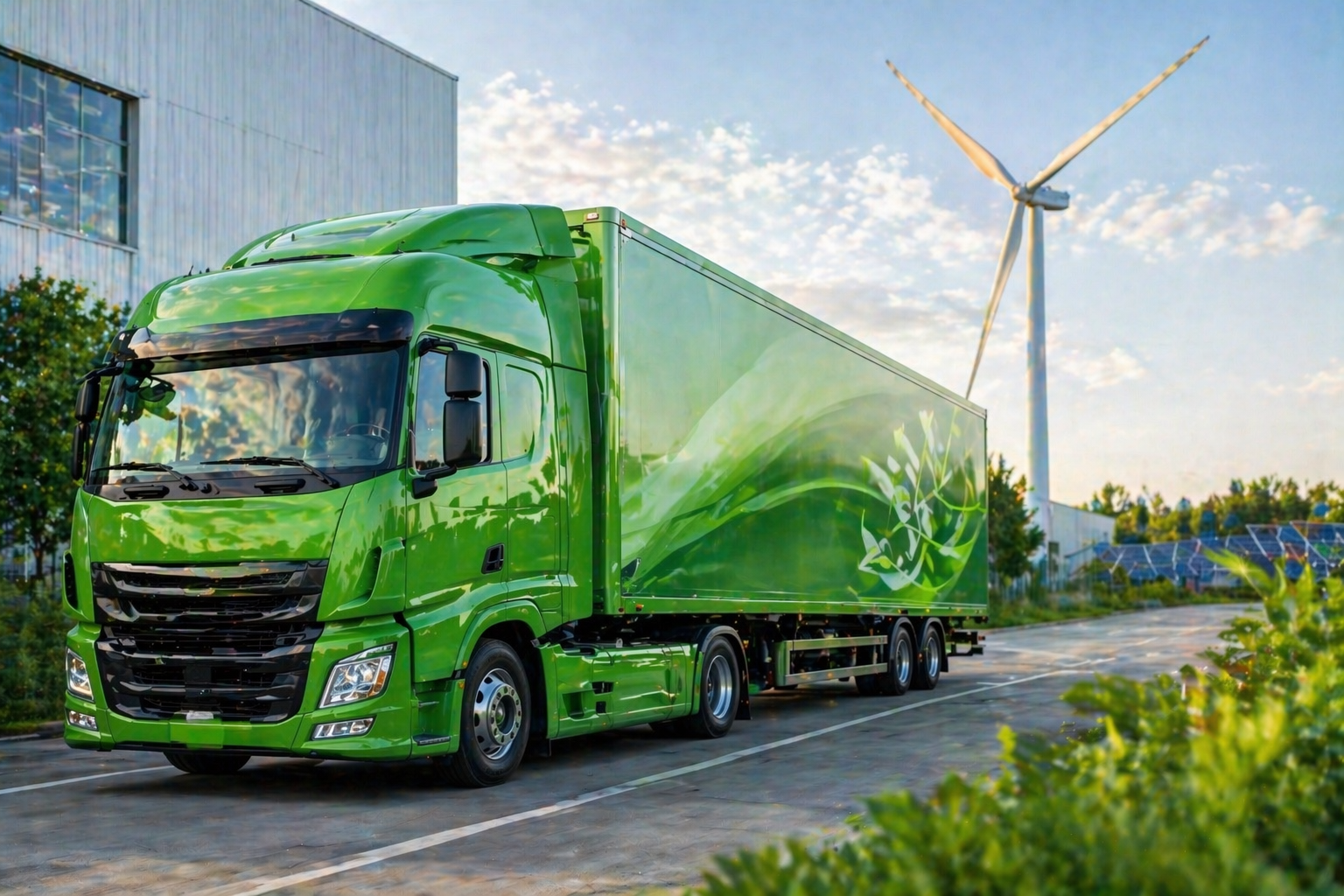
Fleet managers often assume eco-friendly vehicle paint means sacrificing durability for environmental compliance. But modern waterborne systems are challenging that perception with surprising results in scratch resistance, chemical protection, and UV stability. Here’s what changed.
Key Takeaways
1. Modern eco-friendly vehicle paints can match or exceed the durability of traditional solvent-based systems while meeting UK environmental regulations.
2. Waterborne coatings provide strong resistance to scratches, chips, UV exposure, and chemicals.
3. Higher upfront costs are often offset by lower long-term maintenance and extended vehicle lifespan.
4. Professional application is essential to achieve maximum durability and performance.
5. Suppliers in South Wales, such as IPS Paint, offer proven low-VOC solutions for commercial vehicles.
Eco-friendly vehicle paint, particularly waterborne systems, now offers durability comparable to traditional solvent-based coatings. For fleet managers in the UK, these systems provide strong resistance to scratches, chemicals, and UV exposure while meeting strict environmental regulations.
What is Eco-Friendly Vehicle Paint?
Eco-friendly vehicle paint refers to coatings formulated with low levels of Volatile Organic Compounds (VOCs), typically using waterborne or low-solvent technologies to reduce environmental impact while maintaining durability.
Eco-Friendly Paint Systems Match Traditional Durability
The perception that environmentally conscious paint choices sacrifice performance has become outdated. Modern waterborne vehicle paints reductions in VOC emissions by up to 80% compared to solvent-based systems.
This is important for durability and improved chemical resistance, often performing on par with traditional solvent-based alternatives, though some heavy-duty applications may still favor solvent-based for superior chemical resistance. Modern waterborne systems are designed to provide robust protection and have demonstrated performance in various commercial fleet applications.
Advanced polymer and resin technologies have enabled eco-friendly formulations to achieve superior adhesion and flexibility – vital properties for preventing cracking and peeling on commercial vehicle surfaces. These innovations address the fundamental challenge of creating paints that protect against the harsh conditions commercial vehicles face daily whilst maintaining environmental credentials.
IPS Paint is a supplier of commercial vehicle coatings, specialising in low-VOC and durable paint systems specifically designed for commercial vehicle applications. The automotive refinish sector increasingly adopts water-based paint technologies due to their environmental advantages and proven performance in terms of gloss retention and resistance to weathering.
Waterborne 1K Systems Lead Environmental Compliance
What is Waterborne Paint?
Waterborne paint is a coating system that uses water as the primary solvent instead of chemicals, significantly reducing VOC emissions.
Low-VOC Formulations Meet UK Regulations
UK environmental regulations, including the Volatile Organic Compounds in Paints, Varnishes and Vehicle Refinishing Products Regulations 2012, mandate the reduction of low-Voc coatings in vehicle refinishing systems. This regulatory framework drives the adoption of eco-friendly paint systems across the commercial sector.
Adhering to low-VOC paint standards ensures compliance with UK environmental legislation whilst enhancing a company’s reputation for sustainability.
The shift towards waterborne 1K systems reflects more than regulatory compliance UK – it represents a fundamental improvement in paint technology. These formulations deliver exceptional coverage whilst significantly reducing harmful emissions during application and curing processes.
Chemical Resistance Protects Commercial Fleets
Eco-friendly paint systems have demonstrated improved resistance to chemical exposure and extended aesthetic appeal in demanding environments, such as municipal waste management fleets. This demonstrates how eco-friendly systems excel in demanding environments where chemical resistance is paramount.
Modern formulations incorporate improved chemical barriers that contribute to protection against road salt, industrial pollutants, and cleaning agents commonly encountered by commercial vehicles, though for some heavy-duty applications, solvent-based options may still be preferred for superior resistance. This protection extends beyond surface aesthetics to preserve the underlying metal structure.
Waterborne Technology Delivers Comparable or Enhanced Protection
Enhanced Scratch and Chip Resistance
Advanced low-VOC clear coats are developed to provide improved scratch and chip resistance, crucial for maintaining the integrity and appearance of commercial vehicles. These improvements can stem from sophisticated polymer matrices that create harder, more resilient surface layers.
Commercial vehicles face constant threats from stone chips, loading dock scrapes, and general wear. Waterborne systems address these challenges through innovative hardener technologies that create durable protective barriers without compromising environmental standards.
UV and Weather Resistance Benefits
Waterborne paint systems demonstrate good UV stability and color retention, which helps prevent color fading and surface degradation over time. This enhanced protection prevents colour fading and surface degradation that can compromise both appearance and protective function over time.
Weather resistance of waterborne systems includes protection against moisture, temperature cycling, acid rain, and industrial pollutants, contributing to the longevity of commercial vehicles. These protective properties ensure commercial vehicles maintain their appearance and structural integrity across varied environmental conditions.
Polymer Advances Improve Adhesion
Recent innovations in polymer science have revolutionised paint adhesion properties. Modern eco-friendly formulations create strong molecular bonds with substrate materials, often achieving adhesion strength comparable to or better than traditional systems.
Superior adhesion translates directly into improved durability, reduced maintenance requirements, and extended service life. These advances particularly benefit commercial vehicles subject to vibration, thermal cycling, and mechanical stress during daily operations.
Cost Benefits Offset Higher Initial Investment
Extended Lifecycle Reduces Maintenance
Whilst the initial investment in eco-friendly paint systems might be higher, their extended durability often leads to lower overall lifecycle costs for commercial fleets. The superior protective properties reduce the frequency of repainting cycles and minimise interim maintenance requirements.
Eco-friendly paint systems can lead to significant savings through reduced downtime, fewer touch-up requirements, and extended vehicle service life. These operational benefits compound over time, delivering substantial return on investment beyond the initial application cost.
Improved Safety Standards Lower Risks
Eco-friendly paint systems contribute to improved workplace safety through reduced exposure to harmful solvents and VOCs during application. This improvement in working conditions translates into lower health and safety compliance costs and reduced insurance risks.
The significant reduction of hazardous air pollutants from the painting process creates safer working environments whilst supporting companies’ health and safety obligations. These benefits extend beyond immediate cost savings to include improved staff welfare and regulatory compliance.
| Feature | Waterborne Paint | Solvent-Based Paint |
|---|
| VOC Levels | Low | High |
| Environmental Impact | منخفض | Higher |
| Durability | Comparable or improving | Traditionally strong |
| Compliance | Meets UK standards | Often restricted |
Professional Application Maximises Performance Results
Surface Preparation Requirements
Proper surface preparation remains paramount for maximising automotive paint durability and performance benefits of eco-friendly vehicle paints. Professional preparation techniques ensure optimal adhesion and long-term performance regardless of paint system choice.
Surface preparation for waterborne systems requires specific techniques including appropriate cleaning agents, primer selection, and moisture control. These requirements differ from traditional systems and demand specialised knowledge for optimal results.
Waterborne System Techniques
Professional application of waterborne systems requires specific techniques and equipment to achieve optimal results. Temperature control, humidity management, and specialised spray equipment ensure proper atomisation and film formation.
Experienced applicators understand the unique handling characteristics of waterborne systems, including flash times, re-coat windows, and curing requirements. This expertise proves vital for achieving the full durability benefits these systems offer.
Key Statistics
- Waterborne automotive coatings can reduce VOC emissions by up to 80% compared to traditional solvent-based paints
- The EU and UK limit VOC content in refinishing products to as low as 420 g/L (and lower depending on category)
- The coatings industry accounts for roughly 10% of total industrial VOC emissions, making low-VOC systems a major environmental improvement
IPS Paint Delivers Proven Eco-Friendly Commercial Solutions
The broader market for commercial vehicle paint shows increasing demand for sustainable options, with suppliers adapting to provide durable, environmentally compliant products. This shift reflects broader industry recognition that environmental responsibility and performance excellence are no longer mutually exclusive.
The practical benefits of eco-friendly paint systems are evident in various fleet applications. Waterborne technologies prove their worth in real-world applications, offering benefits such as maintaining brand consistency for delivery companies and providing chemical resistance for municipal fleets.
The combination of regulatory compliance, comparable or improved performance characteristics, and long-term cost benefits makes eco-friendly paint systems an attractive choice for forward-thinking fleet managers. These systems deliver solutions that address environmental, performance, and economic requirements simultaneously.
For expert guidance on eco-friendly commercial vehicle paint solutions, consider visiting suppliers like IPS Paint for their range of professional coatings and technical support.
Summary
- Eco-friendly vehicle paint, especially waterborne systems, now offers durability comparable to traditional solvent-based coatings.
- Modern formulations provide strong resistance to scratches, chemicals, UV exposure, and weathering.
- Low-VOC systems help UK fleet operators meet environmental regulations while improving workplace safety.
- Higher upfront costs are often offset by reduced maintenance and longer vehicle lifespan.
- Suppliers like IPS Paint provide proven eco-friendly solutions for commercial fleets.
Frequently Asked Questions
1. Is eco-friendly vehicle paint as durable as traditional paint?
Yes, modern eco-friendly vehicle paints—particularly waterborne systems—can match or even exceed the durability of traditional solvent-based coatings. Advances in polymer technology have improved resistance to scratches, UV exposure, and chemical damage, making them suitable for commercial fleet use.
2. What is eco-friendly vehicle paint?
Eco-friendly vehicle paint refers to coatings formulated with low levels of harmful emissions, particularly Volatile Organic Compounds (VOCs). These paints, often waterborne, reduce environmental impact while still providing strong protection and long-lasting performance.
3. Does waterborne paint protect against chemicals and weather?
Yes, waterborne paint systems are designed to resist common environmental and chemical exposures, including road salt, cleaning agents, UV rays, and moisture. Modern formulations include protective resins that help maintain both appearance and structural integrity over time.
4. Is eco-friendly vehicle paint more expensive?
Eco-friendly vehicle paint can have a higher upfront cost, but it often delivers long-term savings. Reduced maintenance, fewer repainting cycles, and improved durability can lower overall lifecycle costs for commercial vehicles.
Frequently Asked Questions: Why Eco-Friendly Vehicle Paint?
1. Is eco-friendly vehicle paint as durable as traditional paint?
Yes, modern eco-friendly vehicle paints—particularly waterborne systems—can match or even exceed the durability of traditional solvent-based coatings. Advances in polymer technology have improved resistance to scratches, UV exposure, and chemical damage, making them suitable for commercial fleet use.
2. What is eco-friendly vehicle paint?
Eco-friendly vehicle paint refers to coatings formulated with low levels of harmful emissions, particularly Volatile Organic Compounds (VOCs). These paints, often waterborne, reduce environmental impact while still providing strong protection and long-lasting performance.
3. Does waterborne paint protect against chemicals and weather?
Yes, waterborne paint systems are designed to resist common environmental and chemical exposures, including road salt, cleaning agents, UV rays, and moisture. Modern formulations include protective resins that help maintain both appearance and structural integrity over time.
4. Is eco-friendly vehicle paint more expensive?
Eco-friendly vehicle paint can have a higher upfront cost, but it often delivers long-term savings. Reduced maintenance, fewer repainting cycles, and improved durability can lower overall lifecycle costs for commercial vehicles.
Sources
Health and Safety Executive
Society of Manufacturers and Traders
IMI (Institute of the Motor Industry)
Colin Thomas, Fleet Protection Specialist at IPS Paint
Colin has over 20 years’ experience in commercial vehicle paint protection, working with fleet operators across Wales and the West to reduce maintenance costs through ceramic coatings and protective film solutions.
For a complete guide to fleet paint protection strategies, see our pillar article on coating methods: https://www.ipspaint.co.uk/commercial-vehicle-paint/what-are-the-best-coating-strategies-for-paint-protection-methods-to-prevent-fleet-damage/