
What are the Best Coating Strategies for Paint Protection Methods to Prevent Fleet Damage?
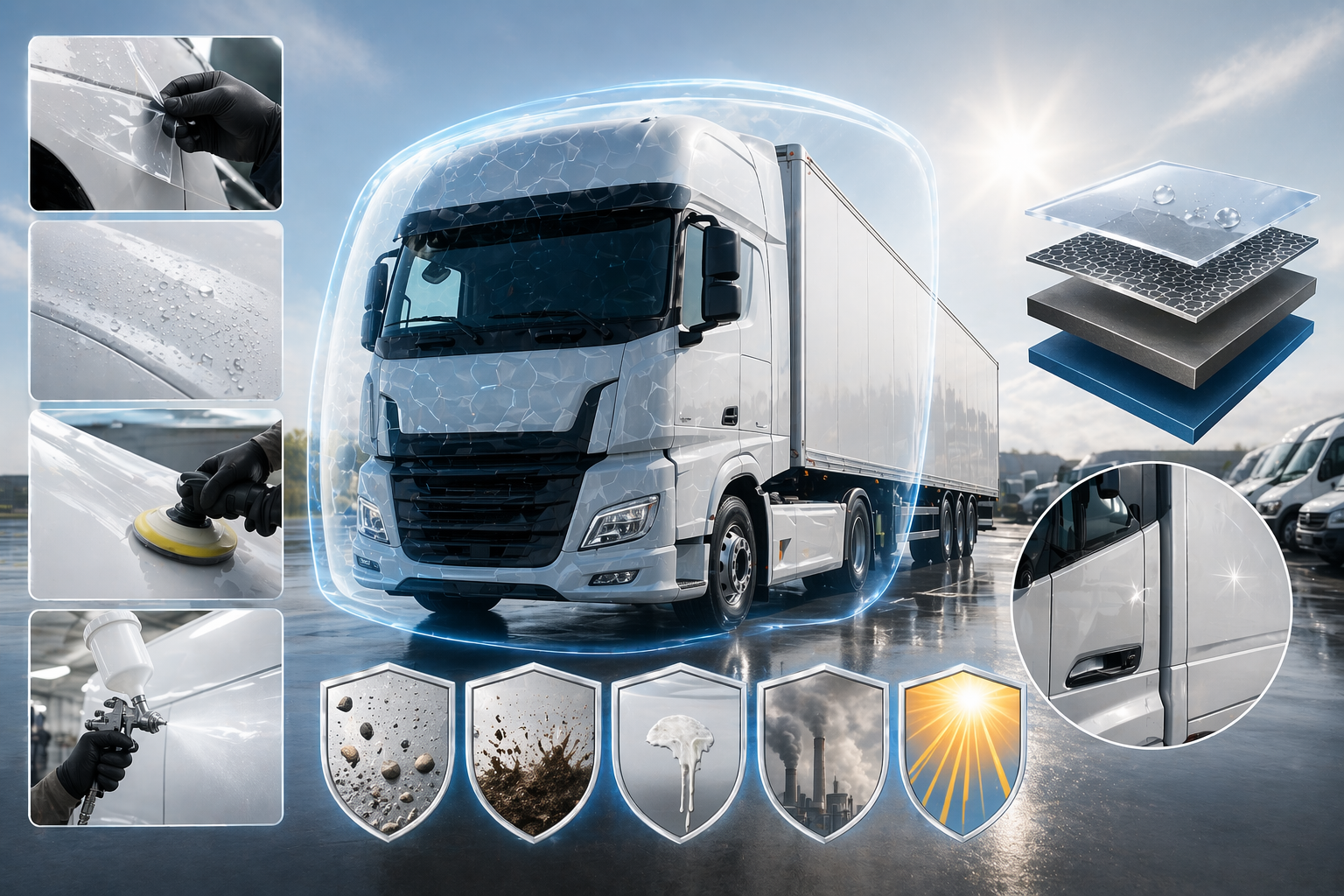
In 2024,, £7.7 billion was spent on vehicle repairs (source: Association of British Insurers); but there’s a smarter approach for fleet managers. Advanced ceramic coatings could slash your maintenance costs and reduce downtime, yet most fleet operators still rely on outdated protection methods that simply don’t deliver long-term value.
Key Takeaways
- UK vehicle repair costs reached £7.7 billion in 2024, making preventive protection strategies essential for fleet operations
- Advanced ceramic coatings offer superior durability and chemical resistance compared to traditional wax treatments
- Professional coating services can significantly reduce per-vehicle maintenance costs and minimise operational downtime by preventing costly repairs and making cleaning easier
- Strategic application timing and bulk pricing arrangements deliver measurable ROI for commercial fleet managers
Fleet managers across the UK face mounting pressure to control operational costs whilst maintaining professional vehicle standards. Advanced vehicle surface protection systems strategies have emerged as a cost-effective solution to combat rising maintenance expenses and extend vehicle lifecycles.
UK Vehicle Repair Costs Hit £7.7 Billion in 2024
The automotive repair industry continues to expand as commercial vehicle fleets encounter increasingly harsh operating conditions. From road salt corrosion during winter months to paint damage from urban pollution, fleet vehicles suffer constant environmental assault that translates directly into maintenance budgets.
These escalating costs have prompted fleet managers to explore preventive maintenance strategies rather than reactive repair approaches. Traditional vehicle care methods, whilst familiar, often fall short of providing adequate long-term fleet surface protection for commercial operations that demand consistent vehicle presentation and reliability.
Why Fleet Vehicles Get Damaged”
- Road salt corrosion
- UV exposure
- Urban pollution
- Stone chips and debris
Ceramic Coatings Offer Superior Protection Over Traditional Wax
What is a Ceramic Coating?
A ceramic coating is a liquid polymer that chemically bonds with a vehicle’s paint to create a durable, protective layer resistant to chemicals, UV rays, and contaminants.
Ceramic coatings are one of the most effective vehicle surface protection systems for fleet operations. These advanced automotive coating technologies reduce damage, improve durability, and extend the lifespan of commercial vehicle paintwork.
Modern ceramic coating technology represents a significant advancement over conventional wax-based protection systems. These engineered solutions create molecular bonds with vehicle paintwork, forming a protective barrier that withstands environmental challenges far more effectively than traditional methods.
IPS Paint’s commercial coating solutions demonstrate how professional-grade protection systems deliver measurable results for fleet operations. Their expertise in commercial vehicle protection highlights the tangible benefits of advanced coating technologies.
For a deeper look at how coatings are evolving, see our guide on eco coatings and future fleet strategies: https://www.ipspaint.co.uk/commercial-vehicle-paint/what-are-the-best-coating-strategies-for-paint-protection-methods-to-prevent-fleet-damage/
The Benefits of Ceramic Coatings
1. Enhanced Chemical Resistance Against Road Salt and De-icers
Winter road treatments pose serious threats to commercial vehicle paintwork. Ceramic coatings provide molecular-level protection against corrosive chemicals, preventing the oxidation and paint degradation that typically requires expensive remedial work. This resistance extends vehicle lifecycles and maintains professional appearance standards throughout demanding operational periods.
2. UV Protection Prevents Paint Oxidation and Fading
Prolonged exposure to ultraviolet radiation causes significant paint deterioration over time. Advanced ceramic formulations include UV-blocking properties that preserve original paint colour and finish quality. Fleet vehicles maintain their professional appearance for extended periods, reducing the frequency of costly repainting requirements.
3. Self-Cleaning Properties Reduce Washing Frequency
Hydrophobic coating surfaces repel dirt, grime, and water contamination more effectively than untreated paintwork. This self-cleaning action reduces washing frequency and labour costs whilst maintaining vehicle presentation standards. Fleet managers report significant reductions in cleaning-related operational expenses following ceramic coating applications.
Protective Film Technology Shields High-Impact Areas
Strategic application of protective films addresses specific vulnerability points on commercial vehicles. These targeted solutions provide additional commercial vehicle protection solutions for areas most susceptible to damage during normal operations.
What is Paint Protection Film (PPF)?
Paint Protection Film (PPF) is a transparent urethane film applied to high-impact areas of a vehicle to prevent scratches, chips, and minor abrasions.
1. Paint Protection Film (PPF) for Vehicle Fronts and Edges
Clear protective films applied to front bumpers, wing mirrors, and door edges prevent stone chip damage and minor collision impacts. PPF technology offers virtually invisible protection that maintains vehicle aesthetics whilst providing measurable protective solutions for commercial vehicles. Fleet vehicles operating in challenging environments benefit significantly from targeted film applications.
2. Anti-Graffiti Films for Urban Fleet Operations
Urban operating environments expose fleet vehicles to vandalism risks that can result in expensive paint repairs. Anti-graffiti films provide removable protection that allows quick restoration without underlying paint damage. This technology proves particularly valuable for delivery vehicles and service fleets operating in high-risk urban areas.
Advanced Coating Application Strategies for Fleet Managers
Successful coating programmes require strategic planning to maximise protection benefits whilst minimising operational disruption. Professional application strategies address timing, logistics, and cost considerations that affect fleet management decisions.
1. Scheduled Application During Off-Peak Periods
Timing coating applications during quieter operational periods minimises vehicle downtime impacts. Fleet managers coordinate with coating specialists to schedule work during maintenance windows or seasonal low-demand periods. This strategic approach ensures protection benefits without compromising operational efficiency.
2. Mobile Coating Services Minimise Downtime
On-site coating application services eliminate the need to transport vehicles to external facilities. Mobile teams bring professional equipment and expertise directly to fleet locations, reducing logistical complexity and vehicle unavailability periods. This convenience factor significantly improves the practical viability of fleet protection programmes.
3. Bulk Pricing Reduces Per-Vehicle Protection Costs
Volume coating contracts deliver substantial cost savings compared to individual vehicle treatments. Fleet managers negotiate favourable pricing structures that reflect the economies of scale available through bulk applications. These arrangements make advanced protection technology financially accessible for operations of various sizes.
4. Maintenance Training for Fleet Staff
Proper coating maintenance requires specific knowledge and techniques to preserve protection benefits. Training programmes educate fleet staff on appropriate cleaning methods and maintenance schedules that maximise coating longevity. This investment in knowledge ensures protection systems deliver their full potential value over extended periods.
Protection Method Comparisons:
| Protection Method | Cost | Lifespan | Protection Level |
|---|---|---|---|
| Wax | £20–£50 | Weeks | Low |
| Ceramic Coating | £150–£1,200 | 1–5 years | High |
| PPF | £500–£2,000+ | 5–10 years | Very High |
ROI Analysis: Protection Investment vs Repair Costs
Financial analysis demonstrates clear value propositions for advanced coating investments compared to traditional reactive maintenance approaches. Understanding these cost relationships helps fleet managers make informed protection decisions.
Commercial Vehicle Respraying Costs £1,000-£5,000+ Per Unit
Professional vehicle repainting represents a significant expense that affects fleet budgets substantially. Complete respray work typically requires several days of vehicle unavailability, compounding the direct cost impact through lost operational capacity. These expenses multiply quickly across larger fleet operations, making prevention strategies increasingly attractive.
Coating Applications Range £150-£1,200 Based on Durability
Professional coating costs vary according to protection level and expected durability periods. Entry-level ceramic treatments provide excellent value for standard operations, whilst premium systems offer extended protection for demanding environments. The cost differential between coating and repainting creates compelling financial arguments for preventive protection strategies.
Return on investment calculations for advanced coating investments often show positive results, particularly when considering reduced vehicle downtime and extended asset lifecycles. Fleet managers who implement coating programmes report substantial savings compared to reactive maintenance approaches, particularly when considering reduced vehicle downtime and extended asset lifecycles. They can avoid common issues by reviewing these common commercial vehicle painting mistakes.
Poor-quality paint can significantly increase long-term costs. Read what the experts at IPS say: https://www.ipspaint.co.uk/commercial-vehicle-paint/cheap-paint-premature-deterioration-costs-from-surface-to-structure/
Professional Coating Services Deliver Measurable Fleet Protection Results
Professional application expertise ensures coating systems perform to their full potential throughout their service lives. Experienced technicians understand the preparation requirements, application techniques, and quality control measures that determine long-term protection effectiveness.
Fleet managers benefit from partnering with established coating specialists who offer guarantees, maintenance guidance, and ongoing support services. These professional relationships provide confidence in protection investments whilst ensuring optimal results from advanced coating technologies.
Documentation and performance tracking help quantify protection benefits over time, supporting future investment decisions and demonstrating clear value from coating programmes. Regular assessment ensures protection strategies continue delivering expected results as fleet requirements evolve.
Summary
UK fleet managers are under pressure from rising repair costs—reaching £7.7 billion in 2024 according to the Association of British Insurers—and this blog shows how preventative strategies like ceramic coatings and Paint Protection Film (PPF) offer a more cost-effective solution. By improving durability, reducing cleaning needs, and protecting high-impact areas, these technologies help cut maintenance costs and downtime, with coatings (£150–£1,200) proving far cheaper than resprays (£1,000–£5,000+), making them a smart long-term investment for fleet operators.
Frequently Asked Questions
What is the best paint preservation method for fleet vehicles?
The most effective strategy for fleet vehicles is a combination of ceramic coating and Paint Protection Film (PPF). Ceramic coatings provide long-term protection against chemicals, UV damage, and dirt, while PPF protects high-impact areas from stone chips and scratches. Using both together delivers the most comprehensive protection.
How much can ceramic coatings reduce fleet maintenance costs?
Ceramic coatings can reduce paint-related maintenance costs by 20–40%, depending on fleet usage and environment. Savings come from fewer repairs, reduced cleaning frequency, and extended paint lifespan.
How long does a ceramic coating last on commercial vehicles?
Professional ceramic coatings typically last 1 to 5 years, depending on the product quality, mileage, and maintenance practices. High-end coatings used on commercial fleets are designed for durability under harsh operating conditions.
Is ceramic coating better than wax for fleet vehicles?
Yes, ceramic coating is significantly more effective than wax. While wax lasts only a few weeks, ceramic coatings bond with the paint and provide long-term protection against chemicals, UV rays, and environmental damage, making them far more suitable for fleet use.
Colin Thomas, Fleet Protection Specialist at IPS Paint
Colin has over 20 years’ experience in commercial vehicle paint protection, working with fleet operators across Wales and the West to reduce maintenance costs through ceramic coatings and protective film solutions.
For a complete guide to fleet paint protection strategies, see our pillar article on coating methods: https://www.ipspaint.co.uk/commercial-vehicle-paint/what-are-the-best-coating-strategies-for-paint-protection-methods-to-prevent-fleet-damage/