
Wet-on-Wet Paint Systems for Commercial Vehicle Refinishing: Faster Drying and Increased Productivity
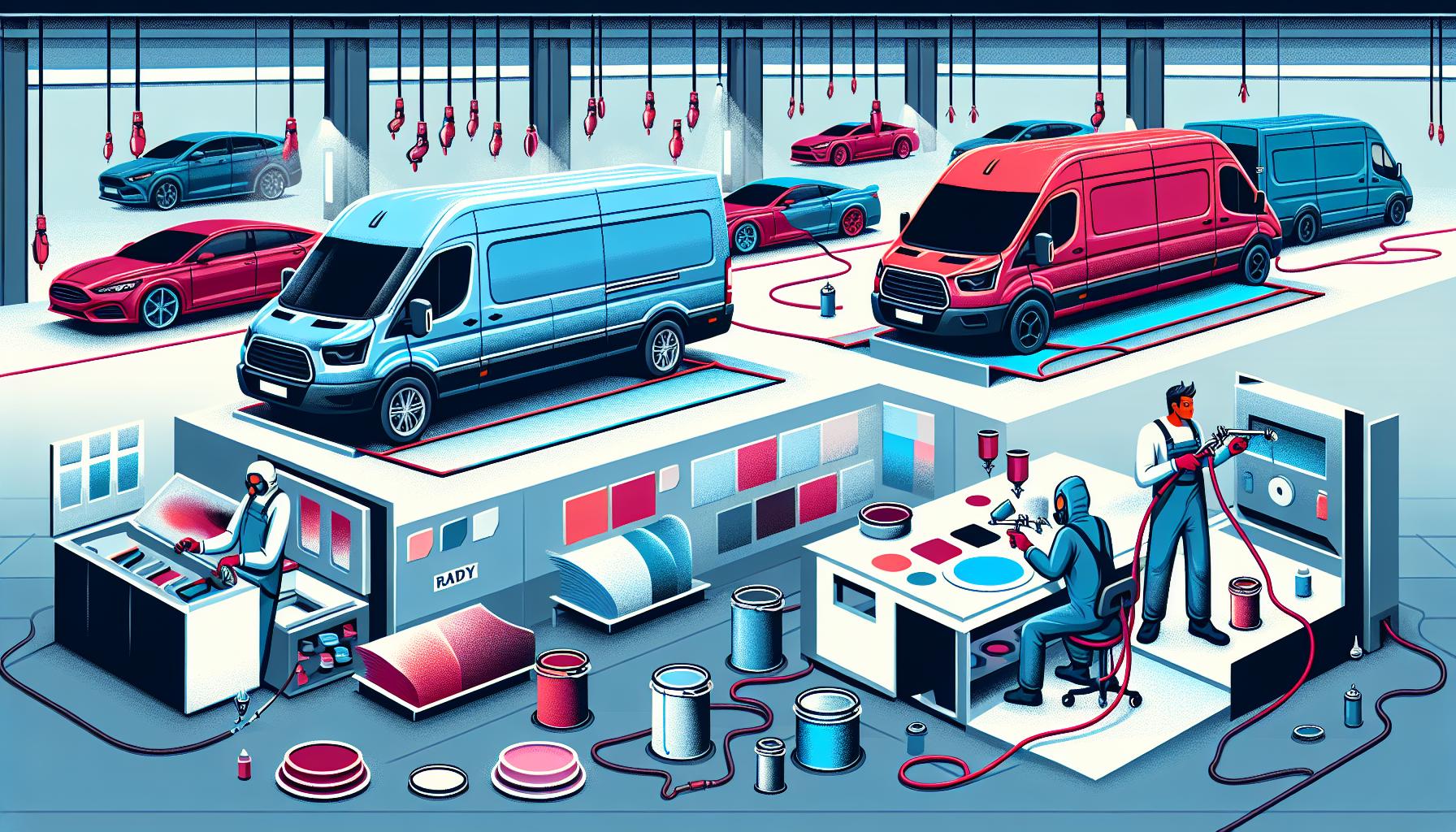
Mastering Wet-on-Wet Paint Application Techniques
Table of Contents
- Mastering Wet-on-Wet Paint Application Techniques
- Debunking Myths Around Wet-on-Wet Systems
- Avoiding Common Pitfalls in Wet-on-Wet Refinishing
- The Future of Vehicle Refinishing: Wet-on-Wet Innovations
- Performance Evaluation of Wet-on-Wet Systems vs Traditional Methods
- Optimising Workshop Schedules with Faster Drying Times
- The Environmental Impact of Wet-on-Wet Paint Systems
- Choosing the Right Wet-on-Wet Product for Your Needs
Introduction
Exploring the transformative potential of wet-on-wet paint systems in commercial vehicle refinishing, this post offers actionable insights for vehicle repairers, car repair garages, and individuals. We blend authoritative data with practical advice to empower you to make the best choices in paint systems, enhancing efficiency and outcomes in your refinishing projects.
Mastering Wet-on-Wet Paint Application Techniques
Debunking Myths Around Wet-on-Wet Systems
Wet-on-wet paint systems often encounter several misconceptions that can lead to improper application and unsatisfactory results in vehicle refinishing. These misunderstandings largely stem from perceived efficiencies that overlook key operational realities critical to performance.
Misconception 1: No sanding or cleaning is required. A common belief is that surfaces do not need to be prepared before applying wet-on-wet primers. A clean, lightly sanded surface is essential for proper adhesion. Neglecting this can result in poor bonding, leading to issues like peeling or blistering. Even “no sanding” products require careful cleaning to remove contaminants for optimal performance.
Misconception 2: It can fill defects and is suitable for any type of repair. Wet-on-wet systems are not designed to mask deeper scratches or dents. Impressively effective for light, superficial repairs on smooth surfaces, such as new parts, they will not cover imperfections once paint is applied.
Misconception 3: Environmental conditions don’t matter. Poor temperature or high humidity can severely compromise effectiveness. Issues like orange peel and bubbles necessitate controlled environments, such as spray booths, for optimal results. Equipment maintenance is equally crucial to prevent finish defects due to overspray or dirt contamination.
Misconception 4: It’s universally adopted where effective. While the method offers impressive time and energy savings, like up to 20% faster production, it isn’t universally accepted in every bodyshop. Risks such as sagging or solvent trapping can limit its application, particularly in heavy-duty environments where extensive research hasn’t validated the technique.
In the UK, adhering to VOC limits is essential for compliance and waste reduction. Pairing wet-on-wet with water-based paints helps maintain quality outcomes in regulatory contexts.
Debunking Myths Around Wet-on-Wet Systems
Here is a structured table you can use to debunk common myths around wet‑on‑wet systems in commercial vehicle (CV) refinishing.
| Myth / Belief | Why This Myth Persists | Reality for CV Wet‑on‑Wet Systems | Practical Implication in the Workshop |
|---|
| Myth / Belief | Why This Myth Persists | Reality for CV Wet‑on‑Wet Systems | Practical Implication in the Workshop |
|---|---|---|---|
| “Wet‑on‑wet is only for cars, not commercial vehicles.” | CV work is seen as heavy‑duty, high‑build and slow‑cycle, so automotive process ideas are dismissed. | Modern CV primers and surfacers are formulated for wet‑on‑wet on large substrates, including trailers, rigids and buses. | Review CV‑specific TDS; introduce wet‑on‑wet surfacers on straight, sound panels to speed throughput without sacrificing durability. |
| “You always get poor adhesion if coats don’t fully dry between layers.” | Older systems and generic ‘painting rules’ emphasised full cure before overcoating. | When used within the stated re‑coat window and film build, wet‑on‑wet systems achieve excellent intercoat adhesion via chemical bonding. | Train staff to work to overcoat windows, film builds and flash‑off times, rather than defaulting to overnight bakes. |
| “Wet‑on‑wet always increases the risk of runs and sags on big panels.” | Operators have seen sags when over‑applying or not adjusting gun set‑up on tall sides. | Sagging is a technique and parameter issue, not inherent to wet‑on‑wet; correct viscosity, gun speed and overlap manage flow on vertical CV panels. | Optimise gun set‑up, application passes and ladder/tower positioning; do spray‑outs on test panels to validate settings. |
| “Wet‑on‑wet is only a cosmetic shortcut and won’t last in harsh service.” | CV fleets work in tough environments, so anything ‘faster’ is assumed to be less robust. | Correctly specified primers and topcoats in wet‑on‑wet systems meet OEM and fleet durability expectations, including corrosion resistance and UV stability. | Use systems approved for CV use; back claims with supplier test data and warranties when talking to fleet customers. |
| “You can skip surface preparation because the primer is only a sealer.” | Wet‑on‑wet primers are mistakenly treated as high‑build ‘cure‑alls’ that will hide defects. | Wet‑on‑wet surfacers do not fill heavy scratches, rust or filler marks; defects telegraph straight through the topcoat. | Maintain full degrease, sanding and filler standards; reserve wet‑on‑wet for clean, straight and sound substrates only. |
| “There are no real efficiency gains once you factor in risks and training.” | Change fatigue and fear of rework make shops underestimate time and energy savings. | Wet‑on‑wet can cut baking cycles and sanding steps, reducing booth time, labour and energy consumption, especially on fleet panels and box sides. | Map a sample job both ways; measure booth occupancy, labour minutes and energy use to demonstrate hard savings to management. |
| “Wet‑on‑wet is non‑compliant or risky under VOC and emissions rules.” | Faster builds and fewer bakes are assumed to push VOCs or emissions beyond limits. | Many wet‑on‑wet CV systems are designed to comply with VOC limits while reducing energy consumption by lowering bake frequency and temperature. | Select systems with clear VOC declarations; document that fewer, compliant coats and bakes improve both cost and environmental performance. |
| “It’s too parameter‑sensitive for a busy CV shop to control.” | Concerns about humidity, temperature and film build on large, slow‑moving jobs. | While wet‑on‑wet is sensitive to application parameters, modern products are engineered with workable windows for typical booth conditions. | Standardise gun settings, booth targets and film build checks; create a simple SOP so operators can repeat results reliably. |
| “If wet‑on‑wet was that good, everyone would already be doing it.” | Industry conservatism and reliance on legacy processes slow adoption of new methods. | Automotive has used wet‑on‑wet and wet‑bed techniques for years, and industrial/transport sectors are now adopting similar logic as products mature. | Position wet‑on‑wet as an evolution, not a gimmick; pilot it on controlled fleet work, then roll out based on proven KPIs. |
Understanding Wet-on-Wet Paint Systems in Commercial Vehicle Refinishing
Wet-on-wet paint systems are crucial for effective commercial vehicle refinishing. By allowing topcoats to be applied directly onto uncured surfacers or primers, these systems remove the need for intermediate sanding, boosting productivity and finish quality, while meeting stringent VOC regulations.
Key Benefits of Wet-on-Wet Systems
- Faster Cycle Times: By removing the need for sanding, workshops can expedite preparation times, enhancing vehicle throughput.
- Reduced VOC Emissions: Lower solvent content aligns with environmental regulations, minimising impact.
- Cost Savings: Reduced material waste and time spent in spray booths results in significant cost efficiencies.
- High-Quality Finish: Ensures improved adhesion, gloss, and durability, especially for interior vehicle parts.
Best Practices for Implementing Wet-on-Wet Systems
For successful wet-on-wet applications, adhere to best practices:
- Follow Manufacturer Guidelines: Consult technical data sheets for coating specifics.
- Product Selection: Choose low-VOC primers and topcoats from reputable sources.
- Clean Application Surfaces: Ensure surfaces are thoroughly cleaned to prevent contamination.
- Regulatory Compliance: Adhere to local VOC limits and industry standards.
By focusing on these practices, vehicle repairers enhance finish quality and operational efficiency.
Avoiding Common Pitfalls in Wet-on-Wet Refinishing
Efficiency Gains
In the UK, wet-on-wet systems improve efficiency by allowing topcoats on uncured surfacers without additional sanding. This reduces labour costs and VOC emissions, ensuring compliance with regulations.
- Reduced preparation time and surfacer use.
- Lower VOC emissions for environmental compliance.
- Minimised waste through optimised product use.
- Separate cleaning systems for solvent- and water-borne materials.
Suppliers like Independent Paint Supplies provide tailored wet-on-wet products that meet UK regulations in vehicle repair.
Recommended Practices
- Maintain spray booths and use low-VOC products to extend equipment life.
- Comply with UK VOC limits and proper disposal methods to ease oversight.
- Employ 2K epoxy fillers that support topcoat application on ferrous metals.
Innovations and Examples
Global trends show significant advancements. PPG’s B1:B2 and Axalta’s 2-Wet Monocoat reduce layers needed, cutting energy consumption. Waterborne systems like Mazda’s Aqua-Tech use low-viscosity resins to lower VOCs, improving refinishing outcomes.
Industrial services in the UK focus more on general wet spraying techniques rather than specific innovations. However, standards for military vehicle finishing, such as DEF STAN 80-37, may incorporate these methods.
The Future of Vehicle Refinishing: Wet-on-Wet Innovations
Performance Evaluation of Wet-on-Wet Systems vs Traditional Methods
Wet-on-wet systems offer significant advantages over traditional methods, particularly in speed of application. This method dramatically reduces job duration by allowing successive layers without waiting for previous ones to dry, enabling the completion of refinishing projects in a single session.
These systems improve colour blending, resulting in more vibrant and seamless finishes. This is beneficial for achieving complex transitions and is particularly advantageous in commercial vehicle work.
While effective, wet-on-wet applications require precision and experience to avoid issues like colour contamination. Skilled techs are vital to maximise benefits.
Performance Evaluation of Wet-on-Wet Systems vs Traditional Methods
Streamlining Commercial Vehicle Repair with Wet-on-Wet Systems
Wet-on-wet systems revolutionise commercial vehicle refinishing approaches. Their primary advantage is layering paint without extended drying times, streamlining workflows and boosting productivity.
Adopting these systems saves considerable time. Traditional methods involve lengthy drying cycles, whereas eliminating sanding steps can increase production speed by 20%, allowing faster vehicle turnovers.
In addition to time savings, they offer cost reductions. Fewer materials and reduced energy needs decrease expenses, aligning with sustainability goals by reducing environmental impacts and complying with VOC regulations.
Ultimately, these techniques enhance efficiency, reduce costs, and maintain high standards, posing a strategic advantage in competitive automotive markets.
Optimising Workshop Schedules with Faster Drying Times
Wet-on-wet techniques offer environmental advantages by reducing bake cycles and energy consumption, directly impacting ecological footprints. In the UK, adherence to VOC regulations is essential in lowering environmental harm.
Benefits:
The benefits include:
- Lower VOC emissions: Elimination of intermediate sanding and baking steps ensures compliance with VOC regulations.
- Reduced energy use: Fewer bake cycles decrease overall energy needs, enhancing sustainability.
- Less waste: Optimised application reduces overspray and solvent use, critically cutting down waste.
- Regulatory compliance: Aligns with progressive VOC limits and eco-label standards.
Despite these advantages, there are drawbacks:
- Ongoing VOC emissions: Even low-VOC paints contribute to environmental issues.
- Waste management issues: While reduced, hazards from overspray require careful handling.
- Health and ecological concerns: Some binders hold substances harmful to health and ecosystems.
Wet-on-wet systems present a better environmental choice. However, powder coating alternatives may offer greater ecological benefits.
The Environmental Impact of Wet-on-Wet Paint Systems
Understanding Wet-on-Wet Paint Products for Vehicle Repairs
Choosing the right wet-on-wet products is crucial for efficient repair work, as they allow for multiple layers without drying time. The UK offers various tailored products for the needs of vehicle repairers, which can enhance both performance and compliance.
Key Product Types and Recommendations
Suitable products include:
- Wet-on-Wet Primers: Like those from Express Paints, ideal for wet surfaces and effective substrate bonding.
- Wet-on-Wet Fillers: BESA-WET fillers can be used without sanding, perfect for interior panels.
- Advanced Coating Systems: Axalta’s 2-Wet Monocoat reduces application layers, ideal for high-volume workshops.
Best Practices for Application
Adopt these best practices:
- Preparation: Degrease surfaces thoroughly for optimal adhesion.
- Uniform Coating: Apply thin, even coats as specified.
- Compliance: Adhere to UK VOC regulations for environmental compliance.
Conclusion and Further Recommendations
When selecting products, consult technical sheets for compatibility with specific vehicle types. Local suppliers offer a variety of options; choose based on needs and outcomes you aim to achieve.
Choosing the Right Wet-on-Wet Product for Your Needs
Advantages of Wet-on-Wet Paint Systems in Vehicle Refinishing
Wet-on-wet systems are popular in vehicle refinishing due to their efficiency benefits. They streamline the spraying process by allowing multiple layers without sanding, ideal for busy bodyshops.
- Time and Process Efficiency:
- Shorter drying times: Finish paint can be applied after a brief evaporation period, speeding repair processes.
- Fewer process steps: Eliminating sanding and masking, increasing production speed.
- Cost and Resource Savings:
- Lower material consumption: Reduces costs by using less masking tape and sandpaper.
- Reduced energy costs: Less reliance on extended drying time decreases operational expenses.
- Performance Benefits:
- Superior adhesion and finish quality: Wet layers create a homogeneous bond with an enviable high gloss finish.
- Environmental gains: Low-VOC waterborne paints are eco-friendly and comply with UK regulations.
In summary, while these systems offer numerous benefits, correct application techniques are critical to avoid issues like runs or orange peel.
Sources
- Carross – All You Need to Know About Wet-on-Wet Primer
- IPS Paint – Improving Efficiency in Commercial Vehicle Refinishing
- KTA – Exploring Myths Around Wet-on-Wet Painting
- Stellarix – Wet-on-Wet Coating: New Trends in Painting Technology
- AMC Spraying – Wet Paint Spraying Services
- Independent Paint Supplies
- AMCSpraying – Wet Paint Spraying
- Northpoint Ltd – Wet Paint Services