
Improving Efficiency in Commercial Vehicle Refinishing with Wet-on-Wet Applications
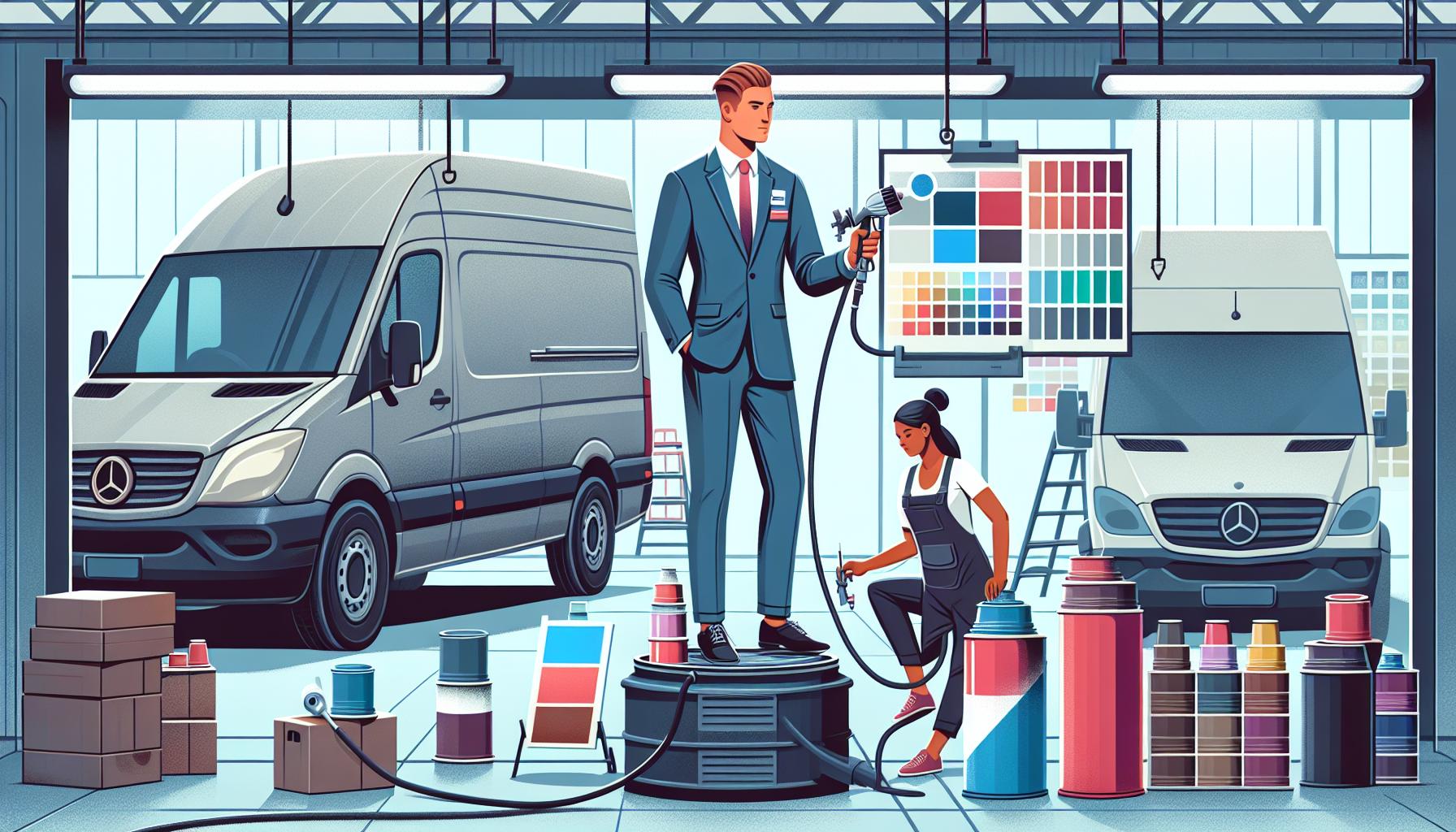
Unlocking the Benefits of Wet-on-Wet Applications
Table of Contents
- Unlocking the Benefits of Wet-on-Wet Applications
- Debunking Myths of Vehicle Refinishing Efficiency
- Avoid These Common Mistakes in Vehicle Paint Applications
- Future Trends in Vehicle Refinishing: What to Expect
- Crafting the ‘Perfect Match’: Digital Techniques vs. Manual Matching
- Navigating Product Selections for Maximum Impact
- Elevating Vehicle Workshop Efficiency with Modern Techniques
- From Trends to Applications: A Comprehensive Overview
Introduction
This blog post explores how wet-on-wet applications can dramatically improve the efficiency, cost, and quality of commercial vehicle refinishing. By reading through each chapter, commercial and private vehicle repairers will gain a comprehensive understanding of the latest trends, common pitfalls, myths, and much more.
Unlocking the Benefits of Wet-on-Wet Applications
Debunking Myths of Vehicle Refinishing Efficiency
Understanding the efficiency of vehicle refinishing is crucial for mechanics and vehicle repairers, yet several common misconceptions can hinder optimal outcomes. These myths often revolve around polishing techniques, product choices, and application methods, which can lead to wasted time and increased costs.
High-filler polishes are permanent solutions: Many believe that products like T-cut can permanently eliminate scratches. In reality, these products only temporarily fill imperfections, leading to their reappearance after washing. This misunderstanding increases the frequency of refinishing tasks, ultimately worsening efficiency.
- Regular polishing extends paint life: Frequent use of polishes on unprepared surfaces can erode layers of paint, causing premature fading and necessitating more repairs.
- Not all polishes are interchangeable: The effectiveness of a polish depends heavily on its formulation. Using the wrong type can waste materials and time without achieving satisfactory results.
- Temperature control is irrelevant: Poor regulation within spray booths can lead to failures in the curing process, entailing expensive rework. Modern spray booths with precise temperature controls enhance overall outcomes.
Furthermore, neglected equipment, such as unmaintained spray guns, can lead to uneven application and increased labour costs. Routine cleaning and maintenance are essential for maintaining efficiency. Additionally, using thicker layers of paint may seem efficient but can result in streaks or build-up that require extensive sanding and reapplication.
In the UK, adopting products like those from Sikkens can significantly improve material efficiency, often allowing for fewer coats due to high pigment concentration. Misconceptions about the efficiency of vehicle refinishing not only inflate costs but can also detract from overall repair quality.
Debunking Myths of Vehicle Refinishing Efficiency
Below is an illustrative table you can use to debunk common myths about vehicle refinishing efficiency, focusing on time, cost, materials, and quality.
Common Mistakes in Vehicle Paint Applications
In the competitive world of vehicle refinishing, efficiency is paramount. However, many professionals encounter frequent pitfalls that can compromise the quality of their work, prolong repair times, and inflate costs. Identifying these common mistakes is crucial for both seasoned and novice vehicle repairers aiming to streamline their processes.
- Inadequate Surface Preparation: One of the most damaging errors is skipping or rushing the preparation phase. Poor surface cleaning, insufficient sanding, or neglecting to apply fillers properly can hinder paint adhesion, leading to problems like chipping or peeling.
- Poor Colour Matching: Failing to accurately match colours can lead to significant customer dissatisfaction. This often stems from inadequate testing or reliance on visual matching alone. Using advanced colour-matching technology ensures precise results and minimises the need for rework.
- Excessive Material Usage: Many technicians unknowingly waste materials by pouring excessive amounts of paint for small jobs. Adopting SMART repair methods, which advocate for smaller volumes of paint, not only cuts costs but also enhances precision in repairs.
- Neglecting Equipment Maintenance: A clean, well-maintained spray booth is essential for high-quality finishes. Accumulated dirt and dust can result in defects on the vehicle’s surface. Regular maintenance checks can mitigate these issues.
- Manual Inventory Management: Reliance on manual inventory tracking often leads to stockouts or over-ordering. Implementing digital inventory management tools can streamline the process, ensuring that materials are available when needed without unnecessary delays.
By addressing these common mistakes, vehicle repairers can greatly enhance their efficiency, maintain higher quality work standards, and ultimately, improve customer satisfaction.
Avoid These Common Mistakes in Vehicle Paint Applications
Current Trends in Vehicle Refinishing
In the UK vehicle refinishing sector, several key trends are shaping practices and consumer preferences as we navigate through 2023. As commercial and personal vehicle repairers strive for efficiency and sustainability, awareness of these trends is essential.
Sustainable Coatings
One of the most significant shifts is towards eco-friendly solutions, particularly the adoption of water-based and low-VOC (volatile organic compounds) paints. With stringent EU and UK regulations requiring reductions in VOC emissions, these sustainable options are not just environmentally responsible; they also provide improved drying times and durability. Customers are increasingly seeking outfits that align with their eco-conscious values, making it a strategic move for repairers to embrace these products.
- Water-based paints are quickly gaining popularity for their advantageous drying times.
- Low-VOC paints are designed to maintain quality while minimizing environmental impact.
Advanced Repair Techniques
The rise of advanced repair techniques is another trend to note. Paintless dent repair (PDR) allows for the efficient handling of minor damages without compromising the original paint finish. This method is particularly beneficial in the UK, where varying weather conditions can cause frequent dings and dents.
- Smart repairs offer quick, targeted fixes for scratches and paint chips, avoiding full bodywork when unnecessary.
- These techniques provide cost-effective solutions that help retain vehicle value while appealing to budget-conscious consumers.
Customization Trends
Customization continues to grow in demand as drivers seek unique aesthetics for their vehicles. Options for metallic and pearlescent finishes, as well as special effects paints, are becoming more mainstream. This trend is particularly pronounced among enthusiasts restoring classic cars or modifying newer models.
Ultimately, with the increasing adoption of electric vehicles (EVs) and a backlog in new vehicle purchases, the need for refinishing work is anticipated to rise. Repairers who stay abreast of these trends can position themselves advantageously in a competitive landscape.
Future Trends in Vehicle Refinishing: What to Expect
Wet-on-wet applications in commercial vehicle refinishing represent a significant advancement for car repair garages, commercial vehicle repairers, and DIY enthusiasts. This technique allows for the application of both primer/surfacer and topcoat without the need for intermediate sanding, thus enhancing efficiency in the workshop environment. By eliminating the drying time and the hassle of sanding, contractors can significantly reduce the overall turnaround time for vehicle refinishing tasks.
Key Products and Systems
- Spies Hecker Permafleet: This system is tailored for cost-effective refinishing. The Economy option includes a 2-coat wet-on-wet primer surfacer and topcoat, while the Top option can include 3 or 4 coats. The Permafleet Wet-on-Wet Surfacer HS 5510/VHS 5620 is particularly notable for its flow properties and overspray absorption capability.
- MIPA 2K HS Fillprimer Wet on Wet: Known for its quick recoating time (15 minutes) without losing gloss, this 2K polyurethane filler is ideal not only for cars but also for commercial vehicles.
- Glasurit Fillers: These versatile fillers are broadly applicable across various commercial vehicle types, providing reliability and effectiveness.
- IPS Paint Primers: Featuring high filling capacity and anti-corrosive characteristics, IPS primers support wet-on-wet applications with exceptional adhesion.
Efficiency Benefits
The wet-on-wet process significantly reduces time spent in the workshop since it bypasses the need for sanding after the flash-off time. This efficiency translates to lower usage of materials like masking agents and sandpaper, and energy needed for drying. Moreover, higher throughput is achievable as indicated by UK industry guidance.
UK-Specific Context
In the UK, suppliers such as Independent Paint Supplies offer tailored products like CT, epoxy, and etch primers, alongside DTM coatings. These systems align with local regulations, ensuring that bodyshops operate efficiently while complying with environmental standards.
Crafting the ‘Perfect Match’: Digital Techniques vs. Manual Matching
Understanding Wet-on-Wet Applications in Vehicle Refinishing
The wet-on-wet application technique has gained traction in the vehicle refinishing landscape, enabling rapid and efficient processes that are particularly beneficial in commercial settings. This method allows for the application of topcoats directly over wet primers without the need for intermediate drying periods, significantly reducing overall refinishing time and material usage.
Benefits of Wet-on-Wet Techniques
One of the primary advantages of employing wet-on-wet applications is the streamlined workflow:
- Reduced Time Requirements: This technique eliminates the drying time associated with traditional methods, enabling quicker project turnaround.
- Lower Material Costs: By minimising the use of sandpaper and degreasers, businesses can see a notable decrease in operational costs.
- Enhanced Finish Quality: Applying topcoats on a wet primer reduces the likelihood of dust or debris settling on the surface.
Optimal Use Cases
Wet-on-wet primers are particularly effective for:
- New Parts Installation: These primers are ideal for new automotive parts that often come with a cataphoresis coating.
- Minor Repairs: They can effectively address small imperfections in existing panels without extensive preparation.
Choosing the Right Products
When selecting wet-on-wet primers, it is crucial to consider formulations and mixing ratios. Many products require specific ratios; for instance, a typical mixture may involve a 4:1 or 3:1 ratio with a hardener plus a reducer.
Reputable UK suppliers offer a variety of wet-on-wet primers, available in different formulations and colours, catering to both professionals and DIY refinishing needs.
Conclusion
Incorporating wet-on-wet applications can substantially enhance efficiency in vehicle refinishing. By selecting the appropriate paint products and understanding their application guidelines, commercial vehicle repairers can optimise their workflow, reduce costs, and achieve superior results.
Navigating Product Selections for Maximum Impact
Understanding Wet-on-Wet Applications in Vehicle Refinishing
Wet-on-wet applications refer to the technique of applying subsequent layers of paint, primer, or filler directly onto a still-wet previous coat without requiring a complete dry period. This method significantly optimises the refinishing process in commercial vehicle repair, boasting numerous advantages that can enhance workflow efficiency and reduce costs.
Primary Benefits
- Time Savings and Higher Productivity: This approach eliminates the need for sanding between layers and reduces overall drying times. By streamlining these processes, workshops can enhance workflow and increase profitability.
- Material and Cost Reductions: Wet-on-wet applications decrease the usage of essential materials. This minimises consumable costs and energy consumed by drying booths or infrared systems.
- Improved Finish Quality: The technique promotes smoother and more uniform coats, improving interlayer adhesion.
- Energy and Environmental Gains: By reducing the number of bake cycles, energy consumption and VOC emissions can decrease, making these applications more environmentally friendly.
UK-Specific Context for Vehicle Refinishing Products
In the UK, many suppliers provide tailored products suitable for wet-on-wet applications. These products are particularly advantageous for new panels or porous surfaces, allowing automotive manufacturers and aftermarket shops to effectively reduce production times.
Applying these coatings requires meticulous preparation, including thorough degreasing and the application of thin, uniform coats according to drying specifications.
Elevating Vehicle Workshop Efficiency with Modern Techniques
Wet-on-wet applications in commercial vehicle refinishing significantly enhance efficiency by streamlining the painting process. This method allows for the application of a topcoat directly onto a surfacer without the need for intermediate sanding. As a result, bodyshops can reduce both labour costs and time spent on each vehicle, all while maintaining high standards of paint adhesion and visual quality.
Key Efficiency Gains
- Reduced preparation time: By eliminating the sanding step, bodyshops can realise faster cycle times for each vehicle processed.
- Lower VOC emissions: Adopting this application technique can significantly reduce volatile organic compound (VOC) emissions.
- Improved equipment maintenance: Proper maintenance of spray booths is crucial. Bodyshops should follow manufacturer guidelines and utilise low-VOC products.
Best Practices for UK Commercial Vehicle Refinishing
- Use separate cleaning systems for solvent- and water-borne materials to prevent cross-contamination and ensure proper disposal.
- Adhering to standards can simplify oversight from local authorities and enhance credibility among consumers.
- Optimise product use to minimise waste, aiming for reduced surfacer consumption and selecting appropriate paints to complement the wet-on-wet technique.
For optimal results, combine wet-on-wet applications with high-quality, water-based paints while ensuring that your processes are aligned with audited standards.
From Trends to Applications: A Comprehensive Overview
Understanding Wet-on-Wet Applications in Vehicle Refinishing
Wet-on-wet applications are a revolutionary approach in the field of vehicle refinishing, offering significant time savings while ensuring a flawless finish. By applying a primer directly onto prepared surfaces without waiting for it to dry or sanding, followed immediately by a basecoat and clearcoat, this technique allows for an efficient and effective refinishing process. It is particularly beneficial for spot repairs and small patch jobs, reducing the risk of dust contamination during application.
Application Process
For successful implementation, consider the following steps:
- Begin with a thorough cleaning and degreasing of the area to be refinished.
- Mix the chosen wet-on-wet primer.
- Use a quality spray setup to apply 2-3 coats of the mixed primer.
- Immediately follow this with the application of the basecoat, ensuring seamless blending without sanding.
Benefits
This methodology offers numerous advantages:
- Rapid Refurbishment: By eliminating the need for drying and sanding processes, refinishing work can be completed significantly faster.
- Strong Adhesion: This technique ensures excellent adhesion, especially on porous surfaces and metals.
- Uniform Finish: The result is a professional-quality finish, ideal for small to medium repairs or entire panel refinishing.
Recommended Products
For optimal results, consider sourcing materials from UK suppliers.
Regulatory Considerations
When using wet-on-wet methods, be mindful of the Volatile Organic Compounds in Paints Regulations 2005, which govern VOC limits applicable across the UK. Compliance is crucial for ensuring both environmental sustainability and occupational safety.
Sources
- ChipsAway – 5 Common Misconceptions About Car Repair
- IPS Paint – Independent Paint Supplies and Sikkens: A Strategic Alliance in Vehicle Refinishing
- Monnington Motors – Debunking Car Servicing Common Myths
- Granlyn – SMART Repair Solutions
- IPS Paint – Commercial Vehicle Paint Supplies
- 3M – Collision Repair Solutions
- PPG – Refinish Distribution in the UK
- CPR Car Body Repair – Top Car Body Repair Trends 2024