
Fleet Vehicle Colour Matching Explained: RAL & BS Paint Standards for Commercial Vehicles
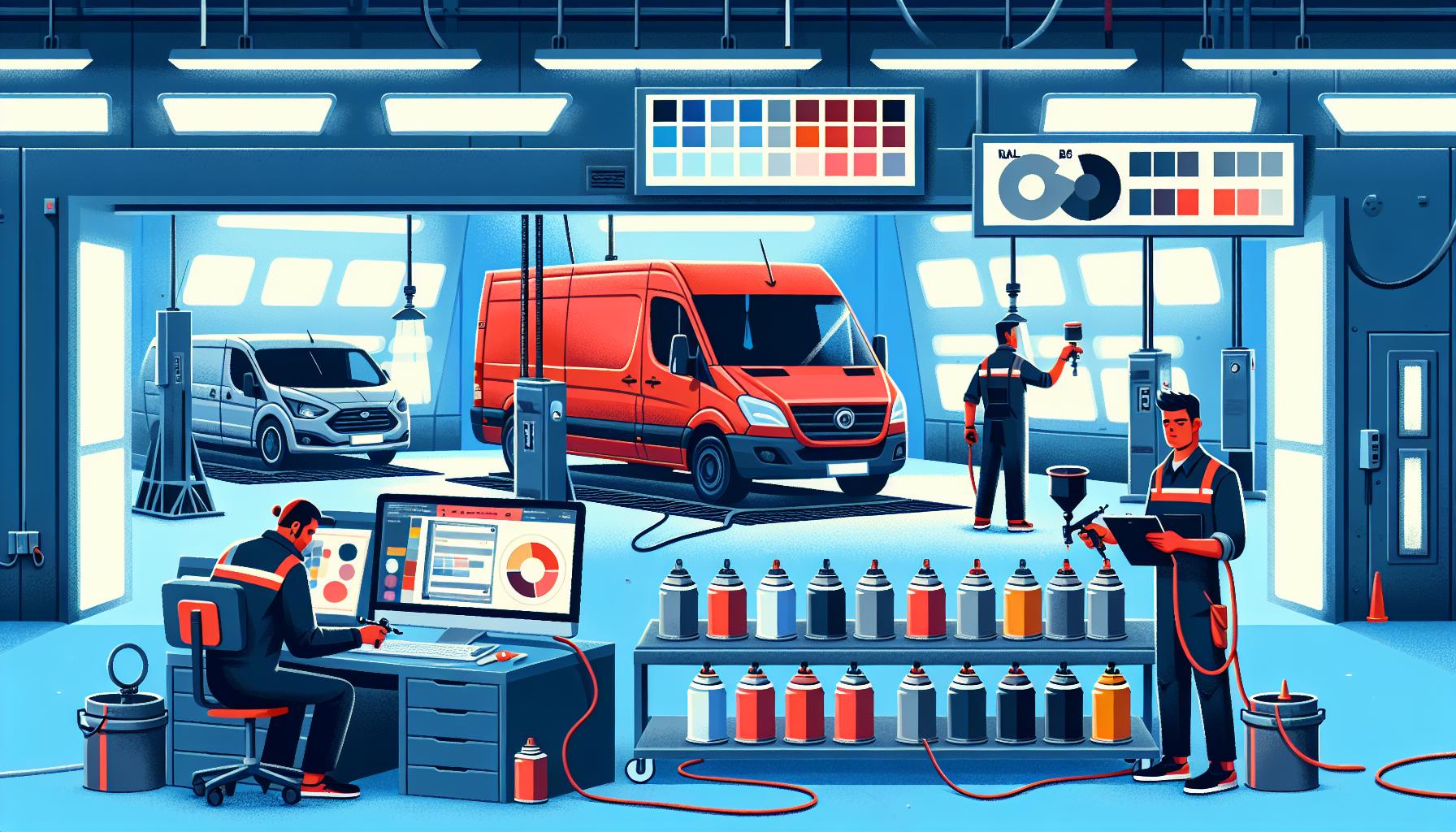
RAL & BS: Understanding the Basics of Paint Standards
Table of Contents
- RAL & BS: Understanding the Basics of Paint Standards
- Common Misconceptions About Fleet Vehicle Colour Matching
- Avoiding Costly Painting Mistakes: Tips for Commercial Repairers
- Future Trends in Automotive Paint Technology
- Comparing RAL vs. BS Paint Standards: What the Statistics Say
- Step-by-Step: Applying RAL Colour Standards in Your Garage
- Breaking Barriers: Tackling the Challenges of BS Paint Implementation
- Where the Industry is Going: Digital Colour Matching Technologies
Introduction
This blog post demystifies the process of selecting the perfect paint scheme for fleet vehicle repairs using RAL and BS standards. Whether you’re a commercial vehicle repairer or a hobbyist, understanding these paint standards will enhance your ability to make informed decisions about colour matching for commercial vehicles.
RAL & BS: Understanding the Basics of Paint Standards
Common Misconceptions About Fleet Vehicle Colour Matching
Understanding the realities of fleet vehicle colour matching is crucial for avoiding costly mistakes. Many misconceptions can lead to inefficient practices or, worse, improper matches that devalue the fleet. One rampant myth is that all paint colours are the same. In fact, each automaker employs unique paint codes and formulas. Subtle differences can arise even between two vehicles of the same model year, depending on various factors like production techniques and environmental conditions. This necessitates a knowledgeable approach to matching, as applying generic formulations can result in noticeable discrepancies.
Another misunderstanding is that factory paint can be duplicated exactly. While contemporary paint-matching technologies are advanced, external elements like UV exposure or road conditions can significantly alter a vehicle’s appearance over time. For an accurate match, technicians must not only reference the original paint code but also assess and adjust the hue based on fading effects, ensuring a blend that aligns with the current condition of the vehicle.
Some may believe that if the paint looks close enough under shop lighting, it’s fine. However, artificial light can distort colour perception, making mismatches less visible. Natural light reveals contrasts that might destroy aesthetic consistency, impacting things like resale value and overall appearance. This consideration becomes essential, particularly in fleet operations where consistency is key.
Finally, it’s a common myth that inconsistent colour schemes are acceptable. On the contrary, variations can dilute brand recognition. Maintaining a unified colour scheme enhances visibility and builds customer trust, making precise matching essential for fleet identity.
Common Misconceptions About Fleet Vehicle Colour Matching
Common Painting Mistakes in Commercial Vehicle Repairs
Understanding the pitfalls in the painting process is essential for achieving high-quality results in commercial vehicle repairs. Below are several common mistakes that repairers often make, along with actionable solutions to avoid these errors.
| Pitfall | What Typically Happens | Better Practice for Commercial Fleets |
|---|---|---|
| Using 1K where 2K durability is needed | 1K is chosen for cost and speed but fails early under chemicals, UV, and heavy wash routines. | Reserve 1K for light‑duty or interior parts; use 2K on cabs, boxes, chassis, and high‑exposure areas. |
| Assuming 2K is always the best choice | 2K is used everywhere, including quick, cosmetic or low‑wear repairs, increasing cost and complexity. | Match system to duty cycle: 1K for fast cosmetic jobs, 2K for long‑life, high‑wear commercial service. |
| Poor mixing ratios on 2K products | Incorrect hardener ratio leads to soft films, gloss loss, or poor chemical resistance. | Use accurate scales or mixing cups, follow specified ratios, and mix thoroughly before application. |
| Ignoring pot life of 2K systems | Mixed material is used after pot life, causing slow cure, poor adhesion, and variable gloss. | Mix only what is needed, track pot‑life times, and discard material that has exceeded its window. |
| Treating 1K as “prep‑tolerant” | 1K is applied over marginally cleaned or glossy substrates, leading to early peeling and flaking. | Clean, degrease, and abrade surfaces properly even for 1K; treat it as a professional system. |
| Over‑thinning 1K or 2K to “improve flow” | Excess thinner reduces film build and protection, causing poor hiding and reduced durability. | Stay within recommended thinning range and aim for specified film thickness per coat. |
| Using the wrong hardener or activator in 2K systems | Incompatible hardeners cause slow cure, brittleness, or adhesion issues. | Use only system‑approved hardeners and activators for each specific 2K product line. |
| Ignoring environmental and safety demands of 2K (isocyanates) | Inadequate PPE and extraction increase health risks and regulatory exposure. | Provide proper booths, respirators, and training; where this is not possible, favour suitable 1K options. |
| Expecting 1K to withstand aggressive chemicals and fuels on fleets | 1K softens or stains around fuel fillers, chemical splash zones, and high‑traffic contact areas. | Specify 2K in areas exposed to fuel, de‑icers, detergents, and road grime. |
| Rushing flash‑off and cure times for both 1K and 2K | Trapped solvent causes solvent pop, die‑back, and premature chalking on large panels. | Respect flash and bake schedules, especially on big truck sides and box bodies. |
Surface Preparation Failures
One of the most critical mistakes is inadequate surface preparation, which can compromise adhesion and durability. Key errors include:
- Skipping surface cleaning: Not using a proper wax and grease remover can lead to paint blistering. All contaminants should be removed to ensure a clean surface.
- Insufficient sanding: Failing to sand the surface properly prevents the new paint from adhering correctly, leading to peeling.
- Neglecting the e-coat: Not sealing the electrocoat on bare metal can result in oxidation and premature failure of the paint.
Application Technique Problems
Improper application techniques can yield unsatisfactory finishes. Common issues include:
- Excessive paint application: This can cause runs or drips, known as ‘orange peel’ texture. It’s crucial to apply thin, even coats.
- Inappropriate spray gun settings: Using the wrong type of gun or incorrect pressure can lead to uneven coverage.
- Environmental control: Painting in extreme temperatures can prevent proper curing. Aim for a controlled environment with appropriate temperature and humidity levels.
Clear Coat Issues
Skipping clear coat application or not allowing adequate cure time can lead to fading and chipping. Always apply a clear coat for added protection and shine. Moreover, protect adjacent areas like glass and panels from overspray, as this can incur costly damage.
Conclusion
By recognising these common mistakes and adhering to careful preparation, application, and finishing techniques, repairers can significantly improve the paint quality and longevity of commercial vehicles.
Avoiding Costly Painting Mistakes: Tips for Commercial Repairers
Future Trends in Automotive Paint Technology
As fleet vehicle maintenance evolves, the automotive paint industry is witnessing significant transformations influenced by technology and sustainability. Repairers must stay ahead of these trends to ensure optimal results in vehicle repair and maintenance.
One of the most notable advancements is the shift towards waterborne formulations, which currently dominate the market, holding approximately 50% of the share. These water-based paints comply with stringent environmental regulations and respond to the industry’s increasing focus on sustainability. This trend towards eco-friendly practices not only supports regulatory compliance but also meets the growing consumer demand for environmentally responsible choices.
Furthermore, the popularity of effect pigments continues to rise. This includes the use of metallic flakes and pearl effects that enhance the aesthetic appeal of vehicles. As more manufacturers incorporate these effects into their offerings, repairers should consider them when selecting paint products for fleet vehicles to ensure that they can replicate or enhance existing vehicle aesthetics.
Additionally, multilayer coating systems remain standard practice in paint application, comprising primer, basecoat, and clearcoat layers. This approach not only enhances durability but also elevates the vehicle’s visual appeal, which is crucial in maintaining professional looks for fleet vehicles.
Looking ahead, there is an observable growth trajectory within the UK automotive market, projected to rise from £569.1 million in 2024 to £792.6 million by 2030. This growth is spurred by the transition to electric vehicles (EVs), supported by substantial government investments in infrastructure and initiatives to phase out petrol and diesel vehicles by 2030.
Repair garages should also note the emphasis on low-VOC and sustainable paint formulations, which are becoming essential in meeting environmental compliance requirements and satisfying customer expectations.
Future Trends in Automotive Paint Technology
Comparative Overview of RAL and BS Paint Standards for Fleet Vehicle Repairs
In the context of UK fleet vehicle repair, understanding the distinctions between RAL and BS paint standards is essential for ensuring accurate colour matching and compliance with industrial requirements. The foremost standard used within the UK is BS 381C, specifically tailored for vehicles and industrial applications. Each colour in this standard is identified by a unique numerical code, such as BS381C 315 for Grapefruit, which aids in precise colour reproduction during repairs.
On the other hand, RAL serves as an international colour system, known for its wide-ranging applicability in different sectors beyond the UK. RAL uses a distinct coding system—like RAL 6009 (Fir Green) and RAL 8015 (Chestnut Brown)—and encompasses several collections, including RAL Classic, RAL Design, and RAL Effect, offering an expansive palette for users.
In practical applications, BS 381C is predominantly regarded as the standard for UK fleet operations, particularly in safety markings and vehicle specifications. However, conversion tools are available to facilitate accurate matching between BS and RAL systems. This feature proves advantageous when sourcing paints from international suppliers or coordinating with manufacturers that adhere to RAL specifications. Notably, many paint manufacturers create products based on BS standards to meet local requirements, while also producing RAL equivalents for uniformity on a global scale.
For fleet managers tasked with specifying repair colours, it is crucial to clearly identify whether they are using BS 381C or requesting conversion to RAL standards. This clarity fosters uniformity across vehicle maintenance, especially significant for corporate branding and safety-marked vehicles.
Comparing RAL vs. BS Paint Standards: What the Statistics Say
Applying RAL Colour Standards in Your Garage
Applying RAL colour standards in your garage for vehicle repainting can ensure a consistent and precise finish, especially important for commercial repairs where brand identity relies heavily on colour accuracy. The RAL colour matching system, which comprises over 2,800 colours, has been widely adopted within the UK automotive industry, giving repairers a reliable colour reference.
Step-by-Step Guide to Using RAL Standards
- Select the Correct RAL Colour: Begin by selecting the appropriate RAL colour code that matches the original vehicle paint. Use a physical RAL colour fan or swatch for an accurate comparison. Consult with suppliers like Autopaints Brighton to find available paints mixed to your chosen RAL code.
- Prepare Surfaces: Ensure that the vehicle’s surface is clean, dry, and free from rust or old paint chips. Use sandpaper or a sander to smooth out imperfections, followed by a thorough clean.
- Mix Paints as Required: Depending on the RAL colour selected, your paint may require mixing. Use precise quantities according to the manufacturer’s guidelines to achieve a uniform colour. Follow instructions for any mixing solvents or hardeners needed for your specific paint type.
- Test Application: Before painting the entire vehicle, it’s advisable to execute a test spray on a scrap piece of similar material. This will help in verifying the actual colour and finish.
- Apply the Base Coat: Using a spray gun, apply the base coat evenly. Depending on the finish required, you can choose from gloss, satin, or matt options. Aim for thin layers, allowing adequate drying time between coats.
- Finishing Touches: Once the base coat is dry, apply a clear lacquer if needed for added protection and shine. Ensure even coverage and allow the final coats to cure as per manufacturer specifications.
- Final Check: After everything has cured, inspect the colour match and finish under different lighting conditions to confirm the final results meet expectations.
With the right techniques and resources, applying RAL colour standards can significantly enhance the quality of your vehicle repairs, achieving that much sought-after finish that every repairer aims for.
Step-by-Step: Applying RAL Colour Standards in Your Garage
Understanding RAL and BS Paint Standards for Fleet Vehicles
Fleet vehicle colour matching in the UK is essential for maintaining aesthetic appeal and ensuring compliance across commercial operations. Two primary standards dominate this landscape: RAL and BS (British Standards). Each serves distinct roles in the pursuit of uniformity and quality in vehicle refinishing.
The RAL System
RAL, established in Germany in 1927, offers a comprehensive colour matching system widely recognised for its consistency and ease of replicability. This system assigns unique codes to colours, making it invaluable for fleet operators who require uniformity across their vehicles. For example, a fleet might standardise on RAL 5017, known as Traffic Blue, ensuring that all vehicles maintain a cohesive brand appearance.
The British Standards Framework
The British Standards, meanwhile, encompass multiple formats designed for specific applications:
- BS 381C: Focused on industrial uses, this standard is pivotal for vehicles and safety markings.
- BS 4800: Typically associated with the architectural and construction sectors.
- BS 5252: Another widely utilised colour standard in various UK industries.
These standards, while similar in purpose, are not interchangeable and cater to different market needs.
Practical Implementation for Commercial Vehicle Repairers
Commercial body shops need to adopt both RAL and BS standards to fulfil client requirements and enhance quality control. Many modern paint systems, such as Mipa PUR HS-Lack, offer colour formulations spanning both standards, ensuring excellent coverage and quick drying times. During the repainting process, repairers should use physical colour samples alongside digital charts, as colours may appear different based on monitor settings.
Ultimately, selecting the appropriate standard requires consideration of both aesthetic preferences and industry compliance, enabling repairers to deliver flawless results while reinforcing their brand identity.
Breaking Barriers: Tackling the Challenges of BS Paint Implementation
How Digital Colour Matching Technologies Are Revolutionising Vehicle Repairs
The adoption of digital colour matching technologies marks a significant step forward in the vehicle repair industry, particularly for commercial fleets. This technology enhances accuracy and efficiency during the repainting process, ensuring that repairs closely match the original vehicle hue. One primary tool utilised in this field is the spectrophotometer, a device that quantifies the colour of a vehicle’s paintwork by analysing how it reflects light.
The spectrophotometer captures a detailed ‘colour fingerprint’ by shining a controlled light onto the paint surface and measuring wavelengths of light reflected back. This detailed analysis allows technicians to identify the precise shade required, which is particularly beneficial for fleet vehicles that often feature multiple finish types such as metallic or pearlescent colours. Systems like the Spies Hecker Color Dialog enhance this process by analysing the colour from multiple angles, improving the accuracy of the match.
Modern colour matching systems are increasingly integrated with extensive digital databases, allowing technicians quick access to a multitude of colour formulas. For instance, the SYROX Colour Search system offers a cloud-based solution, encompassing over 70,000 colour formulations tailored to various manufacturers, from luxury brands like Ferrari to mass-market names such as Ford. This integration significantly streamlines the colour matching process, as technicians no longer need to rely solely on traditional charts or physical samples.
In addition to professional applications, DIY options for colour-matched touch-up paints are gaining popularity. These products enable vehicle owners to quickly input their paint codes or registration numbers to find matching paints, catering to various repair needs, whether large or small.
As these technologies advance, the implications for repair shops are profound. Faster repair times and more accurate matches lead to higher customer satisfaction, reduced waste, and ultimately, lower costs for both workshops and their clients.
Where the Industry is Going: Digital Colour Matching Technologies
Understanding RAL and BS Paint Standards for Fleet Vehicles
The use of RAL and BS paint standards is crucial in ensuring colour accuracy and consistency for commercial vehicle repairs in the UK. These standards provide a framework that allows repairers to achieve precise colour matching, thereby enhancing the aesthetic appeal and brand consistency of fleet vehicles.
Among various standards, BS 381C is often preferred by automotive repairers. This standard is tailored specifically for vehicle applications, offering 213 distinct colours that cater directly to the needs of vehicle identification and coatings. In contrast, RAL, which consists of over 2,831 colours, is more commonly used in industrial and architectural settings due to its extensive range.
- BS 381C: Ideal for automotive, including commercial vehicles. Provides a focused palette that aligns with vehicle design needs.
- RAL: Suitable for broader applications. Its extensive selection is beneficial for industrial projects but should be used cautiously with automotive paint to avoid discrepancies.
One of the significant risks when working with these standards is the potential for colour mismatch when the two systems are combined. Repair garages should consistently use one standard throughout a project to maintain uniformity. Tools for colour matching are invaluable in this regard, allowing mechanics to accurately convert colours between BS and RAL standards as needed, ensuring that all vehicles in a fleet remain visually cohesive and professional.
Furthermore, it’s important for repairers to stay updated on the latest colour tools and technologies available, which facilitate more precise formulations and applications, reducing waste and improving outcomes in repaint projects.
Sources
- Hecks Collision – Common Myths About Auto Body Paint Matching Debunked
- IPS Paint – Why Accurate Colour Matching is Essential for Fleet Consistency
- Fleet Management Weekly – Car Colors: The Trends and Myths Behind Them
- Big Rig Body – Common Truck Painting Mistakes
- Auto Training Centre – Common Paint Mistakes
- Body Shop Business – Common Paint Prep Mistakes
- PF Spray Booths – Automotive Paint Market Trends
- Surface Technology – Global Automotive Color Trend Analysis 2023
“`