
How to Finish Commercial Vehicles? South Wales Paint Supplier Explains
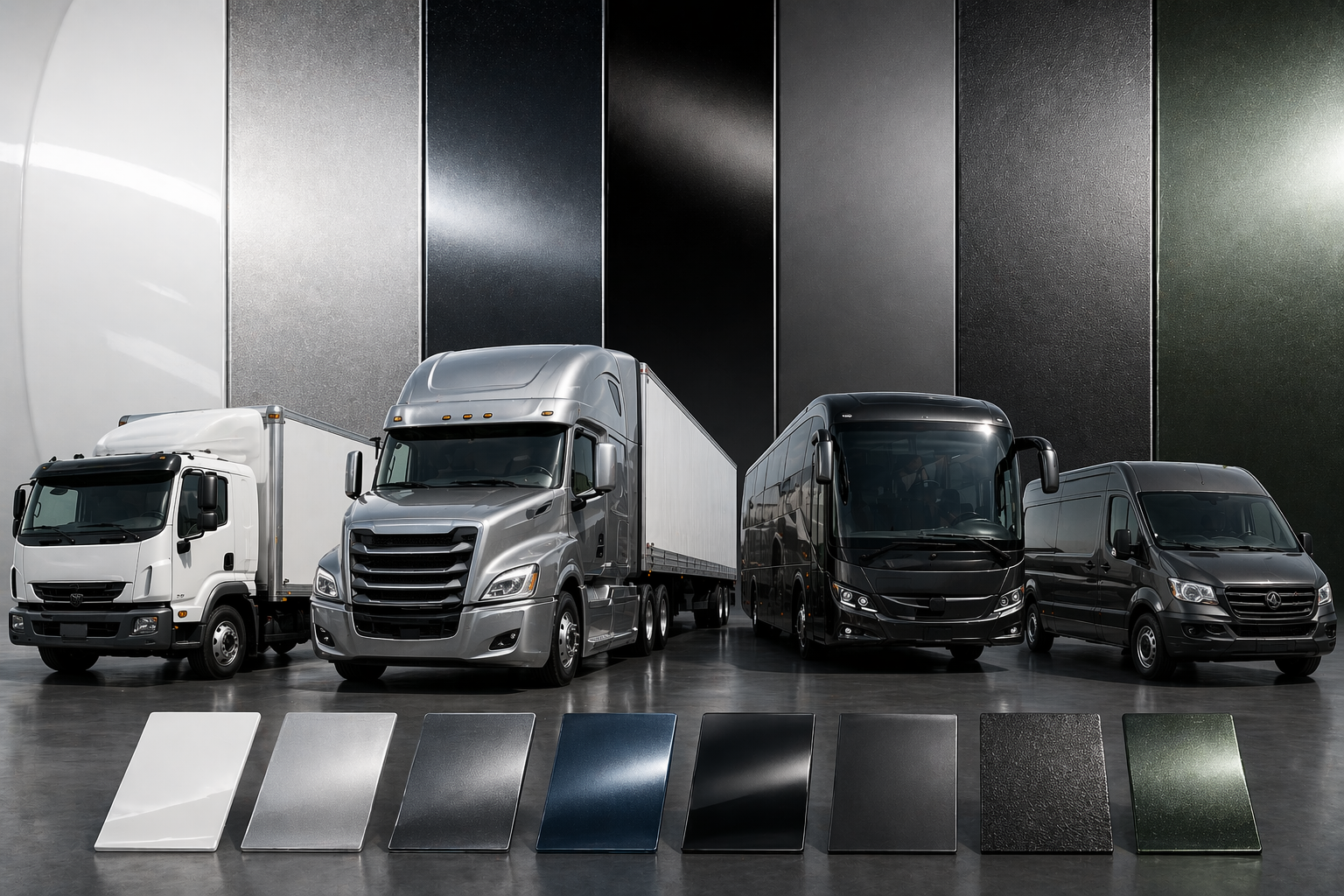
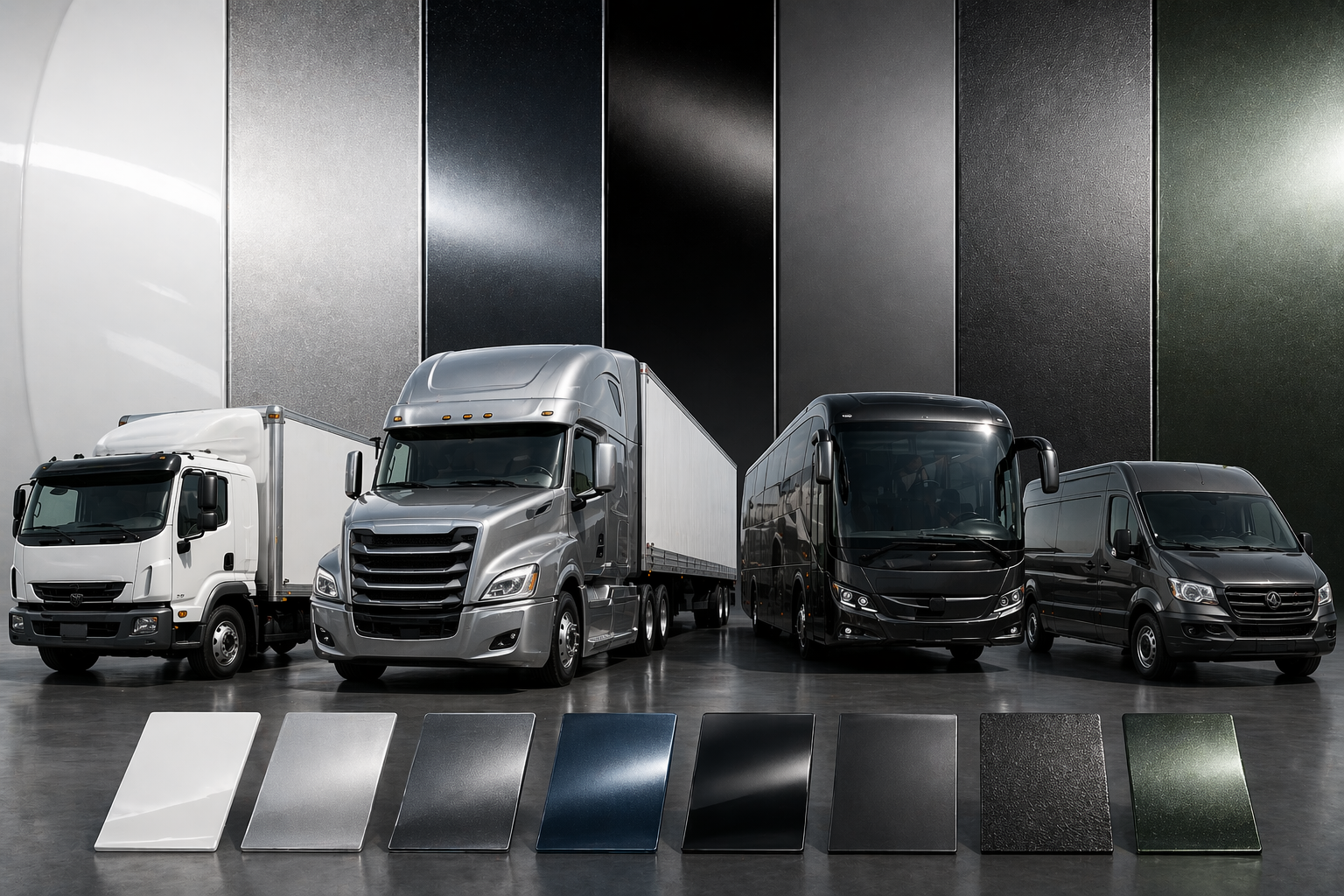
Finishing a commercial vehicle isn’t like painting a car—the wrong coating system or application technique can fail within months instead of lasting years. Here’s what separates professional HGV refinishing from work that won’t survive harsh operating conditions.
Key Takeaways
- Commercial vehicle refinishing requires a multi-stage process, including thorough surface preparation, specialised coatings, and professional spray booth standards with precise temperature control
- Two-pack polyurethane systems provide superior chemical and abrasion resistance compared to single-stage enamels, whilst meeting VOC Regulations 2012 compliance limits for tractor units
- Advanced colour matching technology using spectrophotometer database systems ensures accurate fleet coordination and reduces costly rework
- A complete HGV tractor unit respray typically requires 40-80 man-hours, with technical audits helping South Wales workshops improve efficiency and reduce material waste
- HSE regulations mandate air-fed respiratory protective equipment when spraying isocyanate-based 2K paints to prevent occupational health risks
Commercial vehicle refinishing demands far more than a standard automotive paint job. The harsh operating conditions that HGVs, buses, and fleet vehicles endure require specialised coating systems, precise application techniques, and strict adherence to health and safety regulations. Understanding these complexities can mean the difference between a finish that lasts years and one that fails within months.
What is Commercial Vehicle Refinishing
Commercial vehicle refinishing is the process of preparing, coating, and curing heavy-duty vehicles such as HGVs, buses, and fleet vans using industrial-grade paint systems designed to withstand harsh operating conditions.
Step-by-Step Commercial Vehicle Refinishing Process
- Steam clean and degrease surfaces
- Abrade with P400–P600 grit
- Apply epoxy primer
- Apply intermediate coats
- Apply 2K polyurethane topcoat
- Cure at 60°C for 30+ minutes
Surface Preparation and Degreasing for HGV Refinishing
The foundation of any successful commercial vehicle refinish lies in meticulous surface preparation. Unlike passenger cars, commercial vehicles accumulate industrial contaminants, diesel residue, and road film that penetrate deeply into existing paint layers. High-pressure steam cleaning forms the initial stage, removing surface dirt and loose debris at temperatures exceeding 80°C at the nozzle for surface preparation.
Solvent degreasing follows this initial cleaning, targeting stubborn industrial contaminants that steam alone cannot eliminate. Commercial-grade degreasers containing methyl ethyl ketone or similar solvents dissolve oil-based residues effectively. IPS Paint’s technical specialists recommend allowing complete solvent evaporation before proceeding to primer application, as trapped solvents can cause adhesion failures months after completion.
Surface abrasion using P400-P600 grit ensures proper coating adhesion, whilst revealing any underlying corrosion or damage requiring metal treatment. Epoxy primers excel at protecting commercial chassis and trailer surfaces from road salt and moisture penetration, providing superior corrosion resistance compared to standard automotive primers.
Two-Pack Polyurethane vs Single-Stage Enamel Systems
Two-pack (2K) paint is a high-performance coating system made by mixing a base paint with a chemical hardener before application, triggering a curing reaction that creates a durable, chemically resistant finish. It is widely used in commercial vehicle refinishing due to its superior resistance to abrasion, fuel, and weathering compared to single-pack paints.
The coating system choice dramatically influences both durability and compliance with current regulations. Two-pack (2K) polyurethane topcoats have become the industry standard for commercial fleets, offering performance characteristics that single-stage enamels simply cannot match in demanding commercial applications.
Superior Chemical and Abrasion Resistance
Commercial vehicles face constant exposure to diesel fuel, hydraulic fluids, and aggressive cleaning chemicals that would rapidly degrade standard automotive finishes. Two-pack polyurethane systems create cross-linked polymer networks during curing, producing exceptional chemical resistance. These coatings withstand direct contact with diesel fuel for extended periods without softening or discolouration.
Mechanical abrasion resistance proves equally vital for commercial applications. Loading dock contact, cargo handling equipment, and frequent washing create conditions that destroy conventional paints. The enhanced hardness of fully-cured 2K polyurethane coatings provides protection against scratching and wear that extends coating life significantly.
Volatile Organic Compounds (VOC) Regulations 2012 Compliance Limits
UK refinishing operations must strictly adhere to the Volatile Organic Compounds in Paints, Varnishes and Vehicle Refinishing Products Regulations, which limit solvent emissions for commercial coatings.
What are VOC Regulations?
VOC (Volatile Organic Compounds) regulations are environmental laws that limit the amount of solvent-based emissions released from paints, coatings, and refinishing products to reduce air pollution and health risks. In the UK, these rules are defined under the Volatile Organic Compounds in Paints, Varnishes and Vehicle Refinishing Products Regulations 2012.
These specific VOC limits currently apply to tractor units, whilst trailers and semi-trailers remain exempt from these requirements. Modern 2K polyurethane systems achieve compliance whilst maintaining superior performance through advanced resin technology and optimised solvent blends.
High-solids formulations reduce VOC content whilst improving coverage, typically achieving 65-70% solids content compared to 45-50% for older formulations. This translates to fewer coats required for adequate film build, reducing both material costs and emissions.
Professional Spray Booth Standards and Curing
Commercial vehicle coatings demand precise environmental control during application and curing phases. Standard automotive spray booths often lack the capacity and temperature control necessary for optimal commercial coating performance.
60°C Temperature Control for Cross-Linking
Proper curing of commercial 2K polyurethane coatings requires specialised spray booths capable of maintaining constant 60°C temperatures for minimum of 30-minute periods. This elevated temperature accelerates chemical cross-linking reactions, ensuring full polymer network development within the paint film.
Insufficient curing temperatures result in incomplete cross-linking, producing coatings with reduced chemical resistance and premature failure. Professional installations incorporate precise temperature monitoring systems with multiple sensors throughout the booth volume, ensuring uniform heat distribution across large commercial vehicles.
Health and Safety Executive (HSE) Air-Fed RPE Requirements for Isocyanates
The Health and Safety Executive mandates air-fed respiratory protective equipment when spraying isocyanate-based 2K paints to prevent occupational asthma and other serious health conditions. Standard cartridge respirators provide insufficient protection against isocyanate exposure during extended commercial vehicle spraying operations.
Air-fed systems supply clean, filtered air directly to the operator’s mask, eliminating reliance on cartridge filtration. Booth operators must receive specific training in isocyanate handling procedures, emergency response protocols, and proper equipment maintenance to ensure ongoing compliance and safety.
Modern Colour Matching Technology
Fleet coordination presents unique colour matching challenges that exceed typical automotive requirements. Commercial operators demand precise colour consistency across multiple vehicles, often spanning different model years and manufacturers with varying substrate colours.
Spectrophotometer Database Systems
Spectrophotometer colour matching is a digital process that uses a handheld device to measure how light reflects off a painted surface, allowing software to generate an exact paint formula for accurate colour reproduction. This method ensures consistent colour matching across fleet vehicles and reduces the need for manual trial-and-error adjustments.
Advanced colour matching for commercial vehicles utilises portable spectrophotometers linking to digital databases containing over 100,000 international fleet and manufacturer colours. These instruments analyse existing paint samples across multiple angles and light conditions, generating precise colour formulations that account for metallics, pearls, and colour-shift effects.
Database systems automatically adjust formulations based on substrate colour, spray equipment type, and application conditions. This technology eliminates the guesswork traditionally associated with visual colour matching, reducing costly rework and ensuring consistent results across entire fleets.
PPG PaintManager XI Fleet Coordination Software
Fleet colour management software coordinates refinishing operations across multiple locations, maintaining consistent colour standards and tracking material usage. PPG PaintManager XI integrates spectrophotometer data with inventory management, automatically generating purchase orders for specific colour components based on upcoming projects.
The software maintains detailed records of colour formulations used for each vehicle, enabling precise touch-up work years after original refinishing. This capability proves invaluable for large fleet operators requiring consistent appearance standards across their entire vehicle portfolio.
Time and Cost Considerations
Commercial vehicle refinishing represents a significant investment in both time and materials, requiring careful project planning to minimize vehicle downtime whilst achieving optimal results.
40-80 Man-Hours for Complete HGV Tractor Unit Respray
Refinishing a standard heavy goods vehicle tractor unit typically requires between 40 and 80 man-hours, depending on livery complexity and required surface repairs. This timeframe includes thorough surface preparation, primer application, intermediate coats, topcoat application, and detailed finishing work.
Complex multi-colour liveries with detailed graphics extend project duration significantly, often requiring 100+ hours for completion. Masking operations alone can consume 15-20 hours for intricate designs, emphasising the importance of accurate project estimation and scheduling.
South Wales Logistics Firm Case Study
According to IPS Paint’s client data, a regional logistics firm in South Wales reported 15% reduction in fleet maintenance costs after implementing a standardised refinishing cycle using high-UV-resistance clearcoats to prevent paint oxidation. The company operates 150 vehicles across varied routes, from coastal areas with salt exposure to industrial zones with chemical contamination.
By switching from reactive maintenance to planned refinishing cycles, the firm extended average coating life from 3 years to 5+ years. This approach reduced total cost of ownership whilst maintaining professional fleet appearance standards throughout the extended service life.
Independent Paint Supplies Technical Audits Improve Workshop Efficiency
Professional refinishing operations benefit significantly from expert technical guidance and process optimisation. Many workshops operate with inefficient mixing procedures, inadequate spray techniques, or suboptimal booth conditions that increase material waste whilst compromising finish quality.
IPS Paint provides on-site technical audits for South Wales workshops, analysing paint ‘kitchen’ efficiency and identifying opportunities for improvement. These assessments examine mixing procedures, spray gun setup, booth maintenance, and material storage conditions to optimise overall operations.
Typical audit findings include improper thinning ratios, contaminated mixing equipment, and inadequate surface preparation techniques. Correcting these issues can reduce material costs by up to 20-30% whilst improving finish quality and reducing rework requirements. Workshop staff receive hands-on training in proper techniques, ensuring long-term process improvements rather than temporary fixes.
For expert guidance on commercial vehicle refinishing systems and professional technical support throughout South Wales, visit IPS Paint to discover how their specialised coating solutions can optimise your workshop operations.
FAQ: Commercial Vehicle Refinishing
1. How is commercial vehicle refinishing different from car painting?
Commercial vehicle refinishing uses heavy-duty coating systems, multi-stage surface preparation, and controlled curing environments to withstand harsh operating conditions such as fuel exposure, road salt, and frequent washing, unlike standard car painting.
2. What is the best paint system for commercial vehicles?
Two-pack (2K) polyurethane paint systems are considered the best option for commercial vehicles due to their superior durability, chemical resistance, and compliance with UK VOC regulations.
3. How long does commercial vehicle paint last?
A professionally applied commercial vehicle coating can last 5–7 years or more, depending on usage conditions, maintenance, and exposure to environmental factors such as UV, chemicals, and road salt.
4. Why is surface preparation important in HGV refinishing?
Surface preparation is critical because contaminants like diesel residue and road film can prevent proper paint adhesion, leading to premature coating failure within months.
Summary: Commercial Vehicle Refinishing
- Requires multi-stage preparation
- Uses 2K polyurethane coatings
- Needs controlled curing conditions
- Improves fleet longevity and cost efficiency
This guide is provided by Independent Paint Supplies, specialists in commercial vehicle coatings and refinishing systems across South Wales. Call us today on the numbers below for more information:
Swansea: 01792 784078
Cardiff: 02920 022461
Colin Thomas, Fleet Protection Specialist at IPS Paint
Colin has over 20 years’ experience in commercial vehicle paint protection, working with fleet operators across Wales and the West to reduce maintenance costs through ceramic coatings and protective film solutions.
For a complete guide to fleet paint protection strategies, see our pillar article on coating methods: https://www.ipspaint.co.uk/commercial-vehicle-paint/what-are-the-best-coating-strategies-for-paint-protection-methods-to-prevent-fleet-damage/
Sources
HSE – Respiratory Protective Equipment (RPE) guidance
European Environment Agency – Air pollution from VOCs
ISO – Paints and Varnishes Standards (ISO 12944 – Corrosion Protection)
lSociety of Motor Manufacturers and Traders (SMMT) – Commercial Vehicle Industry Insights
Commercial Vehicle Paint 2026 – What’s Changing This Year
Common Mistakes When Painting Commercial Vehicles
Why ECo Friendly Vehicle Paint? South Wales Supplier Reveals Durability