
Supporting Professionals and DIY Enthusiasts: How Independent Paint Supplies Excels in Valeting
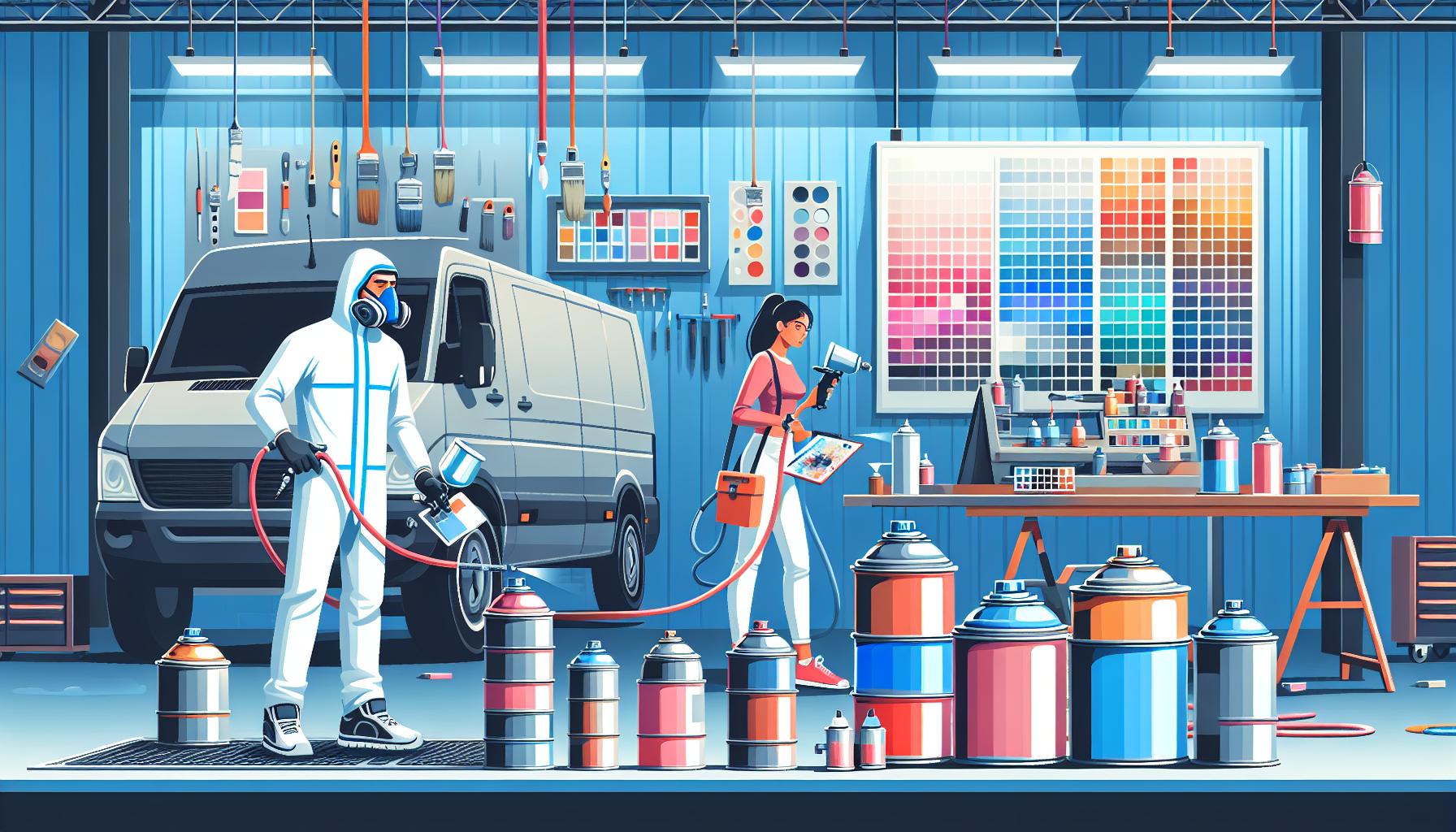
Selecting the Perfect Paint Product
Table of Contents
- Selecting the Perfect Paint Product
- Debunking Paint Myths: What Really Works
- Common Paint Application Mistakes and How to Fix Them
- The Future of Vehicle Valeting: Emerging Trends
- Data-Driven Insights into Paint Quality
- Why Independent Paint Supplies is Leading the Market
- The Rise of DIY in Vehicle Valeting
- Avoiding Overspending: Cost-Efficient Paint Choices
Introduction
Explore how Independent Paint Supplies supports both professionals and DIY enthusiasts in the field of vehicle valeting. This post will guide commercial vehicle repairers, car repair garages, and individuals through effective choices of paint products.
Selecting the Perfect Paint Product
In the realm of vehicle paint care, numerous myths can lead to improper practices that ultimately damage a car’s finish. Awareness of these misconceptions is essential for both professional repairers and DIY enthusiasts looking to maintain or restore their vehicle’s aesthetic appeal effectively.
Washing Products Misconceptions
- Myth: Washing-up liquid is fine for car washing.
Reality: Most washing-up liquids contain harsh degreasers that can deteriorate car paint. Dedicated car shampoos are specifically formulated to be gentle on vehicle surfaces. - Myth: Dish soap is acceptable because it strips wax.
Reality: While it does strip wax, dish soap can dry out rubber seals and matte plastics due to its aggressive ingredients. - Myth: More foam means a cleaner car.
Reality: Foam products encapsulate dirt but must be followed by a proper wash to avoid residue and scratches.
Drying Methods Misconceptions
- Myth: Chamois gives the best drying results.
Reality: Chamois can scratch paint and leave streaks. Microfibre towels are superior for their absorbency and gentleness on delicate surfaces.
Polishing Misconceptions
- Myth: T-cut removes scratches effectively.
Reality: Such fillers mask scratches temporarily but don’t provide a permanent fix, as they may reappear after washing. - Myth: Polishing is always beneficial to paint.
Reality: Frequent polishing can reduce paint thickness, leading to more issues over time. - Myth: All polishes are the same.
Reality: Different polishes vary significantly in composition, and using the wrong type can cause damage.
Waxing and Coating Misconceptions
- Myth: Waxing is harmful to your car.
Reality: Proper waxing protects against UV damage and contaminants, enhancing the paint’s life. - Myth: Ceramic coatings are permanent solutions.
Reality: These coatings are semi-permanent, requiring periodic maintenance to retain their effectiveness. - Myth: All ceramic coatings are the same.
Reality: There is a distinction between ceramic and quartz coatings, both based on silica, but marketed differently.
General Detailing Myths
- Myth: A quick wash is sufficient.
Reality: Effective cleaning involves a thorough pre-wash process to avoid damaging the paint. - Myth: More product equates to better results.
Reality: In many cases, using a smaller amount of product yields superior results and minimises streaking.
Understanding these common misconceptions can guide vehicle owners in making informed decisions about their paint care routines, thus preserving their vehicle’s appearance and value.
Debunking Paint Myths: What Really Works
Best Paint Products for Vehicle Repair in the UK
Based on comprehensive research, here are the top-rated paint products for vehicle repair in the UK, categorised by application type:
Top Touch-Up Paint Kits
- Winner: Hycote Brush & Scratch Repair
- Why it’s best: Consistently rated highest in professional reviews.
- Advantages: Excellent colour matching, budget-friendly option for minor repairs.
- Best for: DIY enthusiasts needing to fix small scratches and chips.
- Price point: Mid-range with good value.
- Highly Recommended Alternatives:
- Dr Colourchip: Voted “World’s #1 paint chip repair solution” with a 100% OEM colour match guarantee. Its 3-step process delivers professional results at home.
- M.A.D Touch Up Paint: Praised for colour accuracy, offering over 250,000 colour variations with a 100% match guarantee.
- Ford Service Touch-Up Paint: Best colour match for Ford vehicles but more expensive and less user-friendly.
Best Aerosol Spray Paints
- Test Winner: Halfords Spray Paint (300ml)
- Price: £7.50 (£2.50 per 100ml).
- Rating: 10/10.
- Advantages: Decent finish at reasonable cost, easy to use.
- Limitation: Limited colour range for newer vehicles (10-20 years old).
- Recommended Alternative:
- Hycote Double Acrylic (150ml): Better damage resistance but smaller can size (£8.40).
- Hammerite Smooth Metal Paint: Good for quick fixes on rusty surfaces but poor colour matching.
Professional-Grade Repair Systems
- Sikkens Autowave Optima Basecoat: Reduces drying times significantly.
- Glasurit Paints: Superior colour matching and gloss retention.
- 2K Polyurethane Systems: Best for high-traffic durability.
- RapidGuard Universal Primer Undercoat Paint: Excellent adhesion and corrosion resistance.
Pro Tips
- For best results with touch-up paints, ensure proper surface preparation.
- Water-based paints are safer for DIY but may require different application techniques.
- For rare or newer vehicle colours, specialist suppliers may be your best option.
- Always check if the product includes necessary primers or clear coats for your specific repair.
Common Paint Application Mistakes and How to Fix Them
| Common Mistake | Description | Likely Consequence | How to Fix It | Recommended Practice or Product |
|---|---|---|---|---|
| Insufficient surface prep | Not properly cleaning or sanding surface before painting | Poor adhesion, paint cracking or peeling | Thoroughly clean, sand, and remove contaminants before painting | Use appropriate degreasers and surface prep cleaners |
| Incorrect mixing ratio | Wrong ratio of paint and hardener or reducer | Defects like cracking, clouding, poor finish | Mix paint and hardener exactly per manufacturer instructions | Follow technical data sheets precisely |
| Applying too thick coats | Spraying thick, wet coats with excessive film thickness | Runs, sags, orange peel texture | Apply multiple thin coats with proper flash-off time between | Use spray gun settings recommended for the paint system |
| Using wrong reducer | Using reducer not suited for ambient temperature or paint type | Fast evaporation, matte finish, cracking | Match reducer to temperature and paint type | Use manufacturer recommended reducers |
| Insufficient flash time | Not allowing enough drying time between coats | Loss of gloss, adhesion problems | Allow adequate flash-off times as per paint system specs | Use calibrated timers for spray application phases |
| Application on glossy surface | Painting over a glossy surface without proper keying | Paint does not adhere, peeling | Sand or key glossy surfaces before paint application | Use sanding abrasives to dull the surface |
| Gun distance or angle errors | Holding spray gun too close, far or at wrong angle | Uneven coverage, runs, orange peel | Maintain consistent gun distance and parallel gun angle | Follow paint spray gun technique guidelines |
| Skipping sanding between layers | Not sanding between coats or after fillers | Poor adhesion, visible defects | Sand between coats and after filler application | Use appropriate grit sandpaper and clean surface |
| Recoating too soon or late | Applying next layer outside recommended overcoating interval | Adhesion failure, visible defects | Follow recommended recoat windows | Monitor drying times carefully based on conditions |
As we look towards the future of vehicle valeting in the UK, several emerging trends are set to significantly influence the methods and products used in this space. With the growing emphasis on quality, convenience, and sustainability, both commercial vehicle repairers and private individuals will need to adapt to these changes.
Sustainable Practices and Eco-Friendly Products
One of the most notable trends is the pivot towards sustainability. The use of biodegradable cleaning agents is expected to rise, reflecting consumer demand for environmentally friendly options. This shift not only ensures compliance with regulations but also attracts customers who prefer eco-conscious services. Car detailing companies that integrate these products into their offerings may find themselves at a competitive advantage.
Technology Integration
The role of technology in valeting is expanding rapidly. Mobile applications for booking services are becoming standard, enhancing customer convenience and streamlining operations. These platforms help manage schedules, inventory, and customer interactions effectively. Detailed digital marketing strategies are also emerging, utilising social media and targeted ads to reach potential clients. Moreover, advanced tools such as paint depth gauges and infrared curing lamps are becoming more common, elevating service quality and efficiency significantly.
Expansion of Mobile Valeting Services
Mobile valeting is burgeoning, appealing particularly to time-strapped consumers who prefer having their vehicles serviced at home or work. This convenience often justifies the higher costs associated with mobile services, typically ranging from £45 to £125, depending on the service level. The demand for these on-the-go services is expected to continue rising as lifestyles become more hectic.
Service Diversification
Valeting businesses are diversifying their services to include SMART repairs for minor cosmetic fixes, and they are embracing advanced treatments like ceramic coatings and paint protection films (PPF). This not only meets consumer demands for comprehensive care of their vehicles but also presents additional revenue streams for valeting businesses.
Market Growth and Professionalisation
The UK car detailing sector is projected to grow at a compound annual growth rate of 4.2% between 2025 and 2030, transitioning from luxury services to essential maintenance. This professionalisation of the industry underscores the necessity for ongoing training and development, ensuring that valeters possess the latest skills and knowledge to meet evolving demands.
Self-Service Car Wash Development
Self-service car washes have been gaining traction, driven by urbanisation and a focus on cost-effectiveness. These facilities offer convenience with charges typically ranging from £2 to £4 for a quick wash, appealing to a broad array of consumers. As these models gain popularity, they contribute another layer to the evolving landscape of vehicle cleaning services.
Future of Vehicle Valeting
With the rapid adoption of electric vehicles, valeting services are also adapting to cater to specialised needs concerning these new models. Innovations and consumer preferences will continue reshaping the valeting landscape, demanding that both professionals and DIY enthusiasts remain informed and flexible in their approach to vehicle care.
The Future of Vehicle Valeting: Emerging Trends
Data-Driven Insights into Paint Quality
Understanding the quality of paint products is vital for professionals and DIY enthusiasts in vehicle repairs, especially when selecting supplies that can withstand demanding conditions. While comprehensive statistics on paint quality remain elusive, various industry reports shed light on factors that affect durability and finish, crucial to ensuring long-lasting repairs.
One significant quality indicator is a paint’s compliance with regulatory standards, particularly regarding Volatile Organic Compounds (VOCs). The UK paint industry faces stringent regulations aimed at reducing VOC emissions, pushing manufacturers towards reformulating products to meet these standards. This shift not only enhances environmental safety but often improves overall paint quality, as companies innovate in their formulations.
A focus on eco-friendly formulations is also evident in consumer preferences. The market is witnessing a significant rise in the popularity of LEED-certified products, reflecting a growing demand for paints that meet higher environmental and quality benchmarks. This trend indicates that consumers and businesses alike are prioritising sustainability as a criterion for product selection.
Approximately 75% of the paint consumed in the UK is produced domestically, ensuring adherence to local quality control standards that can influence the durability and performance of the final products.
Moreover, assessing qualitative markers such as customer satisfaction can provide indirect insights into product reliability. Notably, member satisfaction within the British Coatings Federation reached 98% in a recent survey, suggesting a high level of confidence in their products among industry professionals.
Data-Driven Insights into Paint Quality
Supporting Professionals and DIY Enthusiasts: How Independent Paint Supplies Excels in Valeting
Independent Paint Supplies (IPS) emerges as a formidable player in the UK vehicle repair market by offering unique advantages tailored to the needs of both commercial garages and individual DIY enthusiasts. This chapter delves into the competitive advantages that position IPS as a preferred choice among vehicle repairers.
Cost-Effectiveness and Financial Benefits
One of the most significant advantages of Independent Paint Supplies is their cost-effectiveness. With lower overhead costs than larger manufacturers, IPS can offer competitive pricing that aids garages in preserving their profit margins while maintaining high standards of repair. For instance, eliminating the reliance on expensive P3000 sanding materials not only reduces material costs but also minimises waste through efficient application techniques.
- New Revenue Streams: By facilitating professional paint correction services, IPS allows garages to command premium pricing for prepared vehicles, particularly those poised for resale.
- Long-term Savings: Products like Clean and Protect Spray extend vehicle protection, leading to decreased detailing frequency and further cost reductions.
Technical and Operational Advantages
IPS is not just about affordability; it also brings a wealth of technical expertise to the table. Their dedicated technical support helps repairers tackle complex formulations and application challenges effectively.
- Colour Matching: IPS provides superior colour-matching services tailored to ensure precise restorations, a crucial factor in satisfying customer expectations.
- Streamlined Workflow: Advanced one-step polishing compounds consolidate multiple traditional processes, enhancing operational efficiency.
Product Quality and Range
The palette of options offered by IPS is a vital asset for professionals. Their collaboration with top brands such as Nielsen Chemicals and 3M ensures access to high-quality valeting products. This breadth allows garages to serve diverse customer needs, catering to various vehicle types and paint finishes.
- Advanced Compounding: Their products effectively manage minor imperfections like scratches and water spots, thereby enhancing overall vehicle aesthetics.
- Versatility: IPS supplies products adept at working with numerous paint types, providing flexibility for different vehicle repair projects.
Market Context and Reliability
The UK paints and coatings market, valued at approximately $9.96 billion in 2024, indicates a healthy landscape for repair operations. Alongside the expected growth, IPS’s reliability as a supplier enhances their appeal. With dedicated logistics ensuring quick access to essential materials, repairers can depend on consistent product quality and service delivery, which is critical for maintaining customer satisfaction.
In conclusion, Independent Paint Supplies not only meets the growing demand for quality automotive refinishing but does so with competitive pricing, technical expertise, and a comprehensive product range, setting them apart in a fluctuating market.
Why Independent Paint Supplies is Leading the Market
DIY vehicle valeting has become increasingly popular among UK car owners seeking to maintain their vehicles’ appearances while also cutting costs. Many individuals are now empowered to engage in DIY valeting, opting for high-quality products available from independent paint suppliers. This personal approach not only allows for flexible scheduling but also involves a sense of satisfaction from taking care of one’s vehicle. Nonetheless, it’s essential to note the growing appeal of professional services, which cater to individuals who desire convenience alongside quality.
Several factors contribute to the rise of DIY valeting:
- Cost Savings: DIY valeting can be significantly cheaper than employing professional services, making it an attractive option for budget-conscious consumers.
- Skill Development: Many car enthusiasts enjoy the hands-on experience and take pride in learning various valeting techniques.
- Product Availability: Independent paint supply shops provide a wide range of products tailored for different needs, from eco-friendly options to high-performance finishes.
However, the market dynamics indicate that while DIY approaches appeal to some, many consumers are opting for mobile valeting services for enhanced convenience. Reports suggest that the global mobile car wash and detailing market is projected to reach approximately £126 million by 2025, highlighting the increasing demand for professional setups that negate the need for costly and cumbersome equipment associated with DIY valeting. This scenario illustrates a consumer trend toward convenience, particularly in urban areas where time constraints are common.
Furthermore, the sustainability movement has influenced paint supplies significantly. There is a clear shift towards eco-friendly and water-based products among consumers and professionals alike. The demand for sustainable options is reshaping product offerings, as seen with brands such as Little Greene and Farrow & Ball, which lead the market with low and zero VOC products. This trend not only supports DIY valeters who prefer environmentally conscious choices but also aligns with the increasing awareness of ecological issues affecting our environment.
The Rise of DIY in Vehicle Valeting
Understanding Your Options for Vehicle Paint Repairs
In the UK, selecting the right paint products for vehicle repairs is essential for achieving durable and aesthetically pleasing results. Whether you are a professional garage or a DIY enthusiast, a well-equipped toolbox should include a variety of paints and related products that cater specifically to the needs of automotive repair.
Types of Paint Products Available
The market offers several key categories of paint repair products, which include:
- Touch-up Paints: Available in pens or small pots for minor repairs.
- Aerosol Spray Paints: Suitable for larger areas; Halfords, for instance, provides over 200 options.
- Primers: Essential for improving adhesion and offering rust protection.
- Clear Lacquers: Used to create a sleek, protective finish.
- Body Fillers: Ideal for repairing deeper dents and damage.
- Alloy Wheel Touch-Up Paints: Formulated specifically for wheel repairs.
- Scratch Repair Kits: Comprehensive solutions for various damage levels.
Key Considerations When Choosing Products
When selecting paint products, consider the following:
- Colour Matching: Opt for suppliers that guarantee 100% colour match based on your vehicle’s registration number or paint code.
- Quality: Balance between professional-grade and consumer-grade products based on your repair needs.
- Delivery Options: Some suppliers offer free delivery across the UK, making it easier to obtain materials quickly.
- Expert Advice: Select brands that offer professional technical support to enhance your repair outcomes.
Recommended Suppliers
- PaintNuts: Known for registration-based colour matching, they offer an extensive range of touch-up products.
- Dr Colourchip: Specialises in a user-friendly repair system for stone chips, boasting an OEM-matched paint solution.
- Rapid Paints: With over 30,000 colours, they cater to both professionals and DIY enthusiasts.
- Halfords: The high-street option favoured for its accessibility and variety of ready-mixed paints.
Tips for Successful Vehicle Paint Repair
- Ensure Accurate Colour Matching: Use the vehicle registration or paint code for the best matches.
- Prepare the Surface: Cleaning and sanding the area is crucial for proper paint adhesion.
- Follow Instructions: Adhere to specific guidelines, especially with complex systems.
- Assess Damage Size: Use touch-up pens for small chips and sprays for larger areas.
- Review Return Policies: Some suppliers offer guarantees on colour matching; ensure you are aware before purchasing.
Avoiding Overspending: Cost-Efficient Paint Choices
Choosing the Right Paint for Vehicle Repairs
When it comes to choosing paint products for vehicle repairs, both commercial garages and DIY enthusiasts must consider a variety of factors, including durability, ease of application, and compatibility with different surfaces. The UK market offers a wide range of high-quality paint solutions tailored to meet these diverse needs.
Top Recommendations for Professional Vehicle Repair
For commercial vehicle repairers focused on achieving professional finishes, the following options are highly recommended:
- Glasurit Paints: Known for exceptional gloss retention and UV resistance, Glasurit is a top choice for professional body shops looking for long-lasting finishes.
- Sikkens Autowave Optima Basecoat: This product notably reduces drying times, enhancing efficiency in repair processes.
- 2K Polyurethane Systems: Ideal for high-traffic areas, these systems provide durable protection and a superior finish that withstands wear and tear.
DIY Solutions for Touch-Ups
For individual car owners and DIY enthusiasts, several products stand out for ease of use:
- Dr Colourchip: Awarded for being the top paint chip repair solution, it ensures a perfect colour match and features a quick-dry formula.
- Halfords Spray Paint: This affordable aerosol paint is praised for its quality and cost-effectiveness, perfect for small touch-ups.
- Hycote Double Acrylic: Available in both aerosol and brush formats, Hycote products offer good colour matching and are user-friendly.
Specialty and Custom Paint Options
If you are after specific aesthetic effects or custom tones, consider these products:
- Paintman Hand-Mixed Coach Enamel Paints: A traditional choice for those wanting a premium finish that can be applied by various methods.
- Stardust Colors: Expert in special effects paints, suitable for unique bodywork applications.
Environmental Considerations
With increasing awareness of environmental impact, many repairers are turning to water-based paints, which are safer and often perform exceptionally well. These options align with trends towards sustainable practices within the industry.
Conclusion
The right choice of paint will largely depend on the specific repair needs, whether you are a seasoned professional or a novice enthusiast seeking to keep your vehicle looking its best. Investing in high-quality products pays dividends in both aesthetics and longevity.
Sources
- Duel Autocare – Top 10 Detailing Myths Busted
- DP Valet Service – Debunking Common Myths About Car Detailing and Ceramic Coating
- Washdoctors – The 7 Biggest Car Cleaning Myths in the UK Busted
- Hagerty UK – Reviewed & Rated: Aerosol Paint Cans for Cars
- Mad Paints – Vehicle Paint Solutions
- Dr Colourchip – Paint Chip Repair System
- Washdoctors – Why Mobile Valeting Costs More Than Local Car Washes in the UK
- Marketing Donut – Car Valeter Sector Trends