
Protecting Commercial Vehicles from the Ground Up: Chassis Paints and DTM Coatings Explained
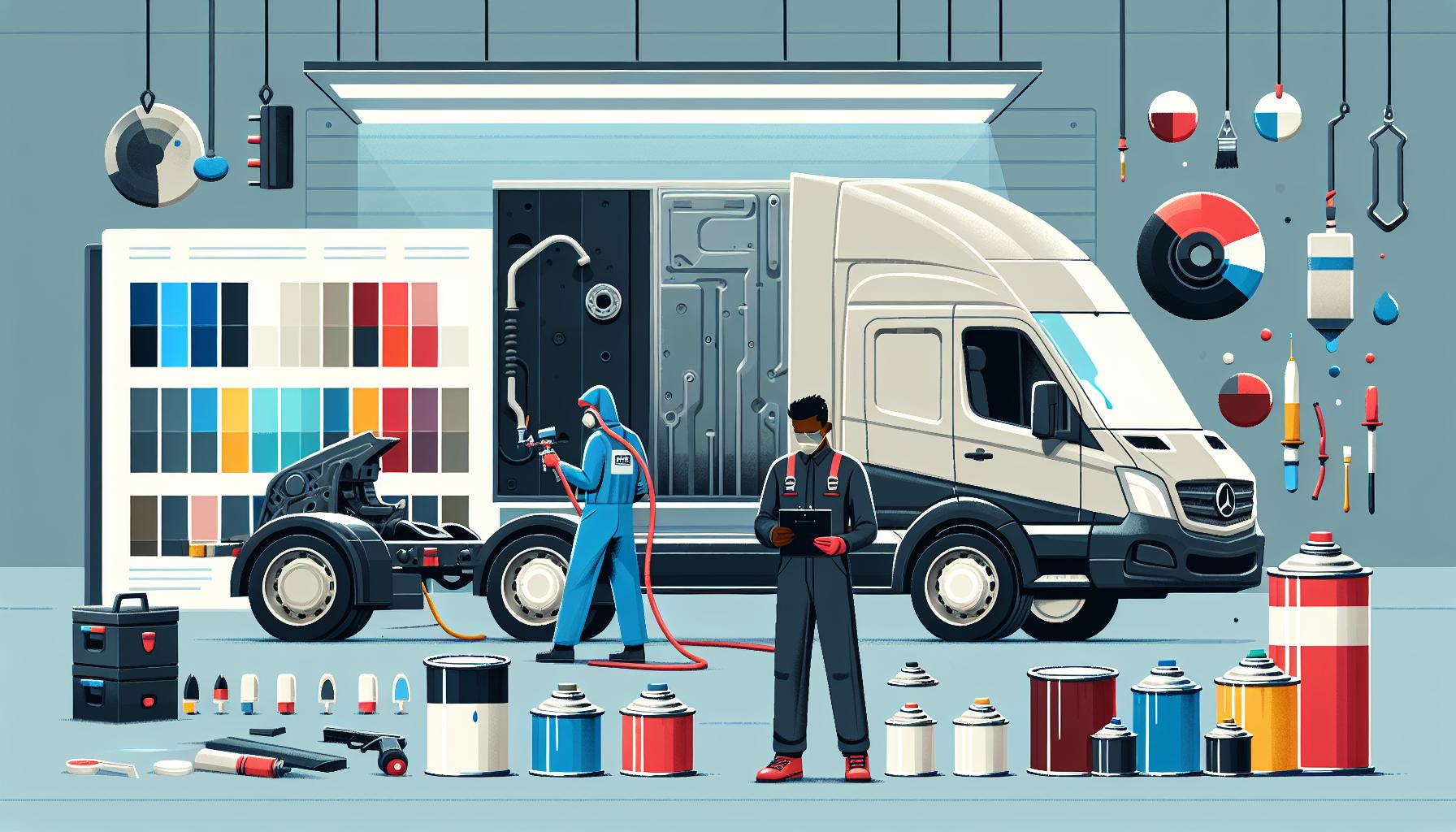
Understanding the Basics of Chassis Paints and DTM Coatings
Table of Contents
- Understanding the Basics of Chassis Paints and DTM Coatings
- Debunking Common Myths About Vehicle Paints
- Critical Mistakes in Vehicle Painting and How to Avoid Them
- The Future of Vehicle Paints: Trends to Watch
- Chassis Paint vs. DTM Coatings: Which is Right for Your Vehicle?
- Maximising Durability and Performance with the Right Paint Formula
- Innovations Driving the Future of Paint Solutions
- Leveraging Data to Select Premium Paint Products
Introduction
This guide delves into the essentials of protecting commercial vehicles through the effective use of chassis paints and direct-to-metal (DTM) coatings. Whether you’re a seasoned vehicle repairer or someone new to the field, understanding paint products will elevate your vehicle protection strategies.
Understanding the Basics of Chassis Paints and DTM Coatings
Several misconceptions about vehicle paints can mislead commercial vehicle repairers and car owners. Addressing these myths is crucial for proper maintenance, effective repair techniques, and long-lasting vehicle finishes.
Durability of Paints
A common myth is that older cars cannot have their paint colour matched effectively. Advances in technology allow for precise colour matching using digital spectrophotometers, achieving excellent results on any vehicle. This means restoration is feasible without a full respray.
Another misconception concerns the durability of DIY paint repair kits. While convenient, these kits often lead to mismatches and poor finishes due to a lack of professional-grade tools and training. Professional repairs ensure better results.
Washing and Maintenance Techniques
Many believe dish soap is adequate for washing vehicles. However, dish soap cuts through grease, stripping essential protective wax layers and accelerating paint degradation. A dedicated car wash shampoo is essential for maintaining a vehicle’s finish.
Additionally, waxing just once a year is often thought sufficient, but experts recommend waxing every three to four months to protect against UV damage and road grime.
Polishing Myths
Polishing is often misunderstood; many see it as a solution to paint imperfections. Frequent polishing, however, can wear down paint thickness and lead to fading. It’s advised to polish a car only once during ownership, using effective coatings for maintenance thereafter.
Advanced Protective Measures
Modern water-based paints are sometimes considered less durable compared to solvent-based alternatives, but when applied correctly, they can offer equal or superior longevity. Ceramic coatings ease cleaning but do not eliminate the need for regular maintenance.
Final Thoughts
Understanding these myths will empower vehicle repairers and owners to make informed decisions on maintenance and repairs, leading to better outcomes for paint longevity and aesthetics.
Debunking Common Myths About Vehicle Paints
Painters often make critical mistakes that compromise finish quality and durability. By avoiding these pitfalls, vehicle repairers can enhance workmanship and achieve lasting results.
Here is a table you can use to illustrate and debunk common myths about commercial vehicle paints.
1. Inadequate Surface Preparation
Poor surface preparation is a significant mistake, leading to issues such as peeling and bubbles. Proper preparation involves:
- Cleaning the surface from dust, dirt, grease, and oil.
- Sanding rough or uneven areas for a smooth finish.
- Repairing dents or scratches and applying a suitable primer.
2. Environmental Conditions
Painting conditions significantly impact the outcome. Consider:
- Ventilation to prevent harmful paint fume build-up.
- Temperature affecting drying times—too cold can prevent curing, too hot can cause cracks.
- Avoiding humid conditions to prevent moisture-related issues like blisters.
3. Incorrect Paint Application
Applying the wrong amount of paint can result in:
- Too little paint causing an uneven finish, or
- Too much paint causing drips and runs.
Follow manufacturer instructions for application thickness and layering.
4. Rushing Curing Times
Allowing paint adequate time to cure is essential. Rushing this process can cause:
- Chipping, peeling, and surface imperfections.
- Avoid using the vehicle for at least a week after painting.
5. Equipment Settings
Using incorrect spray equipment settings can lead to uneven application and texture issues. Ensure equipment is correctly calibrated for the desired finish.
Critical Mistakes in Vehicle Painting and How to Avoid Them
Understanding Chassis Paints and DTM Coatings for Commercial Vehicles
For commercial vehicle repairers, selecting the right paints for chassis and underbody applications is essential for durability and protection. Chassis paints are often formulated with polyurethane or alkyd-based synthetic enamels, providing resistance to automotive fluids such as oil and diesel.
Key Features of Chassis Paints
- One-Coat Application: Allows for direct application without separate primers on well-prepared surfaces.
- Finish Options: Available in gloss, semi-gloss, and matt for customisation.
- Application Methods: Can be applied using a brush, roller, or spray.
- Fast Drying Times: Typically touch dry within 2-4 hours, achieving full protection in about a week.
- Coverage: A one-litre container covers approximately 8 square metres, aiding in estimating quantities for large jobs.
DTM Coatings Explained
Direct-to-Metal (DTM) coatings eliminate the need for an additional primer layer, allowing straightforward application directly onto bare metal surfaces, while maintaining strong corrosion resistance.
Availability and Supply Options in the UK
In the UK, numerous suppliers provide chassis paints and DTM options, available in various forms including bulk orders, aerosol cans, and multiple tin sizes, offering:
- Fast turnaround times, generally within 1-3 days.
- Free delivery services across the UK.
- Discounts on bulk orders for economical solutions in larger workshops.
Choosing the Right Products
When selecting chassis paints and DTM coatings, consider manufacturer specifications to ensure compatibility with specific vehicle brands like DAF, Iveco, and Scania.
The Future of Vehicle Paints: Trends to Watch
Chassis Paint vs. DTM Coatings: A Comprehensive Comparison
Choosing between chassis paints and DTM coatings requires understanding their distinct properties. Both protect vehicle chassis from corrosion but differ in application methods, performance, and durability.
Application and Preparation: DTM coatings adhere directly to bare or lightly prepared metal surfaces, eliminating the need for a separate primer. This simplifies application and reduces costs. Traditional chassis paints typically require extensive preparation, including cleaning and priming.
Cost and Convenience: DTM coatings streamline inventory by reducing the need for multiple products, saving time and money in repair shops where efficiency is crucial.
Durability and Resistance: DTM coatings offer exceptional adhesion and resistance to harsh conditions like seawater and road salt. Long-term testing shows chassis paints like Summit outperform alternatives, lasting over four years on frames.
DTM coatings are recommended for their robust performance in challenging UK conditions, especially wet and salty environments. However, thorough surface preparation is essential regardless of choice.
Chassis Paint vs. DTM Coatings: Which is Right for Your Vehicle?
Understanding Chassis Paints for Commercial Vehicles
Chassis paints maintain the integrity and longevity of commercial vehicles, providing robust underbody protection against corrosion and exposure to harsh chemicals. In the UK, diverse formulations ensure repairers can select the ideal product for specific needs.
Key Benefits of Chassis Paints
- Durability: Many utilise polyurethane or alkyd enamel formulations, offering high resistance to corrosive elements like petrol and saltwater.
- Weather Resistance: These coatings withstand extreme weather, including UV exposure and humidity.
- Application Versatility: Can be applied via brush, roller, or spray.
Direct-to-Metal (DTM) Coatings
DTM coatings can be applied directly to metal surfaces without a separate priming layer, streamlining the application process for commercial vehicle refurbishments.
Selection of Chassis Paints in the UK
UK suppliers offer an extensive range of chassis paints for commercial vehicles, available in various finishes and sizes. Notable suppliers include:
- IPS Paint Supplies: Offers tailored chassis paint solutions for South Wales bodyshops.
- TA Industrial Paints: Specialises in polyurethane chassis paints with fuel and oil resistance.
- Advanced Paints: Provides DTM options including truck-specific colours for major manufacturers like DAF and Iveco.
Selecting the right chassis paint or DTM coating is critical for longevity and performance in commercial vehicles, considering durability, finish, and ease of application.
Maximising Durability and Performance with the Right Paint Formula
Sustainable and Innovative Paint Solutions for Vehicles
Innovative paint technologies in the automotive sector ensure aesthetics while maintaining sustainability. Manufacturers, responding to regulations like the EU’s REACH, shift towards low-VOC, waterborne, and powder coatings, essential for compliance and environmental stewardship in the UK.
Sustainable and low-emission coatings are on the rise. Collaborations, such as that between Covestro and Nippon Paint, develop eco-friendly solutions for OEMs and refinish applications.
- EV-Tailored Solutions: The popularity of electric vehicles increases demand for specialised coatings, including thermal-resistant primers and radar-transparent pigments.
- Smart Coatings: Innovations in ‘smart’ paint technology include self-healing coatings and solar-reflective coatings to improve energy efficiency.
- Advanced Aesthetics: Products like BASF’s TESSERACT BLUE use cutting-edge pigments for unique effects, catering to consumer demand.
These developments signify a shift towards sophisticated, environmentally-friendly paint technologies essential for commercial vehicle repairers aiming to stay competitive.
Innovations Driving the Future of Paint Solutions
Leveraging Data to Select Premium Paint Products
The selection of paint products tailored to specific vehicle protection needs is increasingly guided by data analytics, allowing commercial vehicle repairers to optimise offerings and enhance customer satisfaction.
Data analytics align paint selections with consumer preferences. For example, grey, black, and white dominate the UK vehicle market. Focusing on these colours ensures repair shops stock sought-after options, reducing the risk of overstocking less popular colours.
Analytics inform smarter pricing strategies. Premium pricing for vibrant colours can be effective for lifestyle models, while fleet buyers prefer neutrals.
Analytics improve operational efficiency by anticipating demand for specific colours, optimising inventory levels.
The integration of data analytics in paint selection streamlines inventory management and ensures commercial vehicle repairers meet customer expectations, leading to increased profitability and loyalty.
Leveraging Data to Select Premium Paint Products
Recommended Chassis Paints for Commercial Use
Choosing the right chassis paint is crucial for protecting commercial vehicles from environmental conditions. Here are some recommended products:
- Chassis Black Enamel: Gloss black paint that is resistant to oil and diesel, suitable for chassis and suspension components on commercial vehicles.
- Vehicle Chassis Paint: Polyurethane resin paint with anti-corrosive properties, ideal for commercial trucks and trailers.
- CIO Chassis In One / RCP Primer: Includes both primer and cavity wax for rust-prone areas, offering a high-quality finish.
- Frost Extreme Chassis Black: Satin aerosol for quick application and durable protection of the underbody.
- Final Systems 1K Enamel (CL20C): Available for high-quality finishes on various vehicles, including trucks like DAF and Scania.
Top DTM and Commercial Vehicle Coatings
- Advanced Paints DTM: Economically priced for trade, these coatings allow application without a primer.
- IPS Paint Supplies: Offers a range of commercial coatings with anti-corrosive properties for various vehicles.
- Paints4Trade: Provides durable, weather-resistant polyurethane enamels tailored for commercial vehicles.
Additional Considerations
Consider the following when selecting paint:
- Primers: Use etch primers for optimal adhesion on unprimed surfaces.
- Application: Products can be applied using a brush or spray. Drying times range from 2 to 24 hours, with full curing up to 7 days.
- Local Suppliers: Connect with suppliers providing durable, fleet-ready products for the UK market.
Sources
- Body Matters UK – Common Car Paint Myths Debunked
- Wash Doctors – The 7 Biggest Car Cleaning Myths in the UK Busted
- OC Details – Car Polishing Myths Debunked
- Eagle National Supply – 4 Common Mistakes to Avoid When Painting Your Car
- Sun Collision – How to Prevent the Top 5 Car Painting Mistakes in Your Body Shop
- Big Rig Body – 5 Common Truck Painting Mistakes That Ruin Your Finish and How to Avoid Them
- TA Industrial Paints – Chassis Paint
- Paintman – Chassis Black Enamel Protection