
Professional-Quality Valeting Essentials for a Flawless Finish Every Time
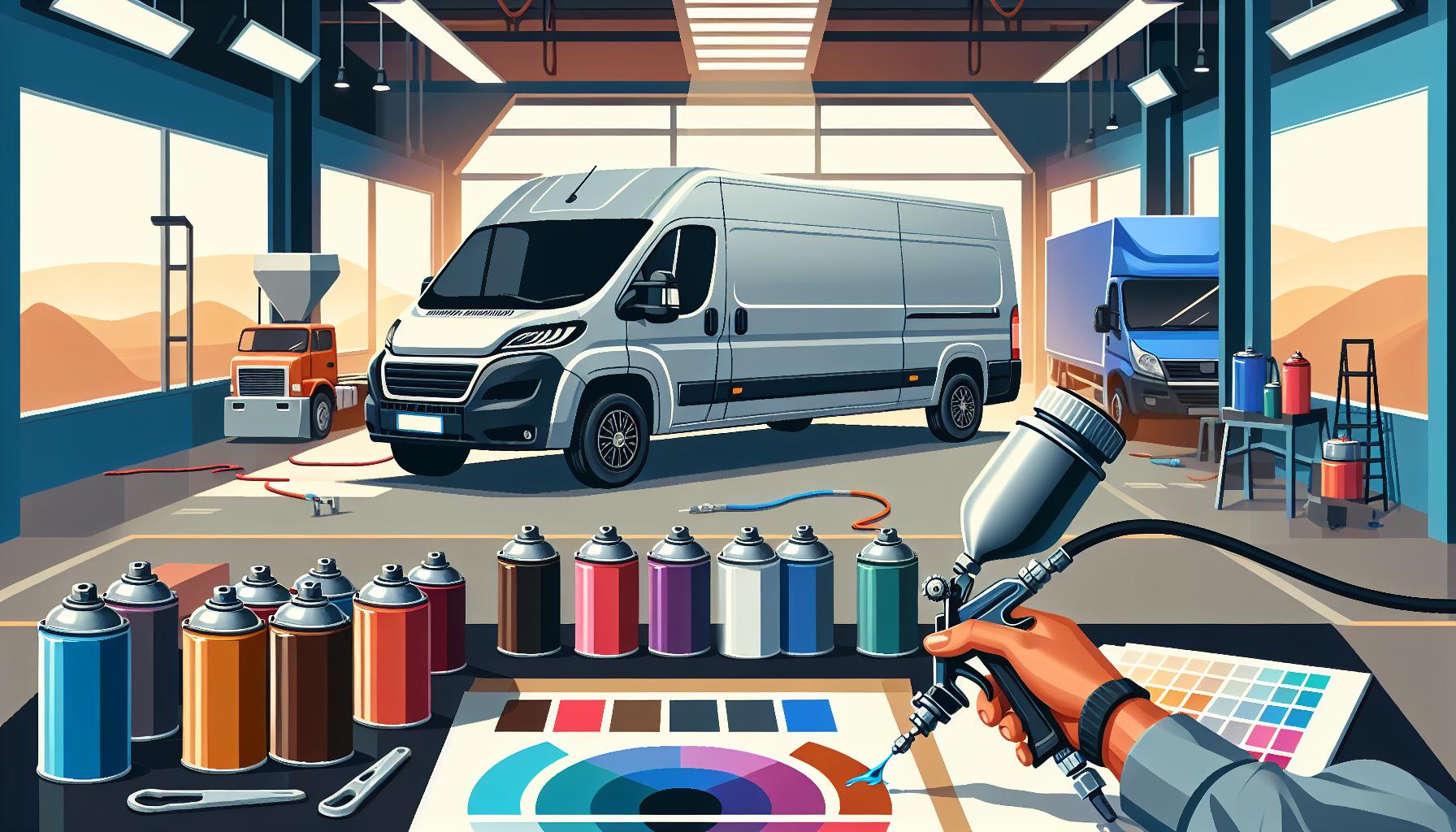
Maximizing Shine: Essential Valeting Equipment for Repair Shops
Table of Contents
- Maximizing Shine: Essential Valeting Equipment for Repair Shops
- Avoiding Common Valeting Pitfalls in Vehicle Repairs
- The Evolution of Automotive Paint Technology
- Proven Techniques for Paint Perfection in Repair Shops
- Myths About Car Detailing and Painting Debunked
- Comparing Leading Automotive Paint Brands for Pros
- Stay Ahead: Trends in Valeting and Paint Products
- The Cost-Benefit Analysis of Using Professional Valeting and Paint Supplies
Introduction
Aspiring to achieve a flawless finish every time you valet or repaint a vehicle? This comprehensive guide lays out the essential tools and products that commercial vehicle repairers, car garages, and personal detailers need to elevate their craft. Combining the expertise of valeting and the finesse of painting, our guide ensures that your every effort results in perfection.
Maximizing Shine: Essential Valeting Equipment for Repair Shops
Valeting is an essential part of vehicle maintenance, particularly in the context of repair services where a vehicle’s appearance can significantly impact customer satisfaction. However, many professionals and enthusiasts often make common mistakes during valeting, hindering their efforts and potentially damaging the vehicle. Understanding these pitfalls and knowing how to recover from them is crucial for achieving a professional-quality finish.
One common mistake is using the wrong products. Many individuals resort to household cleaners, which can strip protective layers from surfaces and cause damaging reactions with automotive finishes. To recover, switch to products specifically formulated for automotive needs. Ensure they are tested and safe for your vehicle’s materials.
- Skipping the Pre-Wash Step: Failing to remove loose debris can cause scratches during the main wash. Always perform a pre-wash with snow foam or a water rinse to lift dirt safely before applying direct contact.
- Incorrect Washing Technique: Employing a single bucket method can lead to dirt circulation, resulting in scratches. Adopt a two-bucket method—one for soapy water and another for rinsing.
- Cleaning Sequence: Many start by cleaning the body, potentially reintroducing contaminants from the wheels. Always clean wheels and tyres first to prevent cross-contamination.
- Improper Drying: Allowing vehicles to air dry can create water spots. Use soft, absorbent microfibre towels for effective drying.
Additionally, neglecting the undercarriage is a common oversight, particularly in the UK’s harsh weather, where salt and grime can lead to rust. Regularly cleaning the undercarriage not only maintains appearance but also extends the vehicle’s lifespan. Excessive wax or polish can lead to a dull finish due to buildup. Follow the manufacturer’s instructions for product application to avoid this issue.
Recognising these mistakes and implementing the suggested recovery techniques can significantly improve the outcomes of your valeting efforts. With the right approach, vehicle repairers and enthusiasts alike can ensure a flawless finish that meets both aesthetic and practical standards.
Avoiding Common Valeting Pitfalls in Vehicle Repairs
| Common Pitfall | Description | Likely Consequence | How to Avoid It | Recommended Practice or Product |
|---|---|---|---|---|
| Inadequate surface preparation | Skipping proper cleaning or decontamination before polishing or coating | Paint defects, swirl marks, poor coating adhesion | Thoroughly wash, decontaminate, and clay the surface before any repair or waxing | Use a pH-neutral pre-wash, fallout remover, and clay bar system |
| Using incorrect cleaning agents | Applying harsh or acidic chemicals on delicate materials (e.g., chrome, alloys, plastics) | Surface dulling, corrosion, or staining | Identify material type and choose pH-balanced or material-specific cleaners | Select branded, vehicle-safe products for interior and exterior detailing |
| Cross-contamination of equipment | Using the same mitts, cloths, or pads for different products or areas | Paint scratching, residue buildup, or chemical reactions | Colour-code or label each pad, towel, and mitt for specific uses | Maintain separate microfibres for glass, bodywork, and wheels |
| Overuse of machine polishing | Excess correction or heavy compounding on thin paint layers | Burns through clear coat or uneven finish | Measure paint thickness before machine work and use gentle approach first | Start with fine polish pads and increase abrasiveness only if needed |
| Poor drying technique | Air-drying or using rough towels on freshly washed paint | Water spots or fine scratches | Use soft microfibre drying towels or blow-dry with filtered air | Apply drying aid spray for added lubrication |
| Ineffective protection after cleaning | Forgetting to apply sealants, wax, or coatings after detailed cleaning | Rapid re-contamination or fading of finish | Always follow up with a surface protectant | Apply polymer sealant or ceramic coating for lasting gloss |
| Ignoring trim and rubber protection | Overlooking plastic trims and rubber seals during valeting | Fading, cracking, or water intrusion | Treat seals and trims with rejuvenators | Use silicone-free dressings and UV-protective conditioners |
| Using contaminated water or buckets | Reusing dirty rinse water or failing to use grit guards | Swirl marks and micro-scratches from grit | Use two-bucket method with grit guards | Replace rinse water regularly during large jobs |
| Neglecting interior detailing | Cleaning exterior only and skipping fabric, vents, and plastics | Persistent odours and interior wear | Schedule interior valeting with exterior maintenance | Use ozone treatment, fabric protectors, and gentle interior cleaners |
Recent Advancements in Automotive Paint Technology in the UK
The automotive paint industry in the UK is experiencing significant advancements due to regulatory changes, technological innovation, and sustainability goals. Understanding these developments is crucial for commercial vehicle repairers and garages aiming to maintain quality and efficiency in their services.
Energy Efficiency Breakthroughs
- Paint shops operated by Stellantis have achieved a remarkable reduction in energy consumption, aiming for a 50% cut by the end of 2025, enabled by new lower bake sealers that enhance efficiency without compromising quality.
Regulatory-Driven Innovations
- The sector is adapting to stricter chemical regulations under the UK REACH framework, prompting manufacturers to reformulate products for compliance.
- Increased adoption of water-based paint technologies is becoming standard practice, significantly lowering VOC emissions.
- A Digital Product Passport introduction by 2025 will require manufacturers to provide extensive product details for sustainability initiatives.
Market Growth and Sustainability Focus
- The UK Automotive OEM Coatings Market is projected to grow significantly, highlighting ongoing investments in new technologies and sustainable practices.
- Biomass balance automotive coatings are increasingly emphasised, aligning with environmental goals.
Emerging Technologies
- Electrostatic paint systems allow for better coverage and reduced overspray, lowering paint consumption and waste.
- Research into smart coatings and advanced nanocoatings promises to enhance durability and longevity of finishes.
- Advanced paint application equipment ensures optimal pigment dispersion and uniformity, further reducing waste.
As the UK automotive paint sector evolves, it is imperative for vehicle repair services to stay abreast of these advancements to enhance operational efficiency and meet the growing demand for environmentally friendly solutions.
The Evolution of Automotive Paint Technology
Top Paint Products for Vehicle Repair in the UK
Selecting the right paint products is crucial for achieving a flawless finish in vehicle repair. Here’s a guide to some of the best-rated paints available in the UK, categorised by application type for easy reference.
Top Aerosol Spray Paints
- Halfords Spray Paint 300ml – Rated 10/10 for easy application and decent finish, it’s the best value for older vehicles.
- Hycote Double Acrylic 150ml – Praised for colour match and resistance to damage, ideal for quick touch-ups.
- Hammerite Smooth Metal Paint 400ml – Provides convenience by being applicable directly on metal, suitable for emergency repairs.
Best Touch-Up Paint Kits
- Hycote Brush & Scratch Repair – Budget-friendly and offers adequate colour matching.
- M.A.D Touch Up Paint – Known for its versatility across a range of shades.
- Chipex Silver – Premium product with a money-back guarantee for incorrect matches.
Professional-Grade Repair Systems
- Sikkens Autowave Optima Basecoat – Highly recommended for its efficiency in drying time.
- Glasurit Paints – A standard in professional body shops for colour matching and durability.
- 2K Polyurethane Systems – Known for durability, ideal for high-traffic applications.
Colour Restoration Products
- Diamondbrite Diamond Cut6 – Acclaimed for restoring colour and shine effectively.
- VP Correct-It6 – Offers a cost-effective solution to smooth paint surface.
Proven Techniques for Paint Perfection in Repair Shops
Common Car Detailing and Painting Myths in the UK – Busted!
Based on the latest UK detailing resources, here are the most persistent myths about car detailing and painting that need debunking:
Exterior Detailing Myths
Myth 1: “A quick hand wash is always good enough”
Reality: A quick hand wash is insufficient for removing embedded contaminants. Proper detailing involves multiple steps including decontamination, washing, and drying to prevent swirl marks.
Myth 2: “Snow foam is just a gimmick”
Reality: Snow foam is vital in reducing the risk of scratches by softening and encapsulating contaminants before a contact wash.
Myth 3: “Using washing-up liquid is fine for car washing”
Reality: Washing-up liquid strips protective waxes and harms vehicle surfaces.
Myth 4: “Sponges are fine if you rinse them often”
Reality: Sponges can trap dirt particles that scratch paint. Professionals recommend using wash mitts with grit guards.
Myth 5: “Chamois gives the best dry”
Reality: Microfibre towels are more effective and prevent micro-scratches.
Paint Correction & Protection Myths
Myth 6: “Wax is only for show cars”
Reality: Regular waxing protects against environmental damage.
Myth 7: “Polishing removes scratches and is always beneficial”
Reality: Frequent polishing can wear down paint thickness. It should be done only as necessary.
Myth 8: “All polishes are the same”
Reality: Polishes differ significantly in abrasiveness and should be matched to the paint type.
Myth 9: “Ceramic coating and quartz coating are different products”
Reality: Both terms refer to the same technology.
Myth 10: “More product equals better results”
Reality: Proper application involves thin, even coats to reduce streaking.
Professional Detailing Myths
Myth 11: “Detailing is just an expensive car wash”
Reality: Detailing involves comprehensive cleaning and protection of multiple surfaces.
Myth 12: “DIY detailing is as effective as professional services”
Reality: Professionals have specialised tools and expertise.
Myth 13: “Automatic car washes are always bad for your car”
Reality: Modern touchless systems can be safe.
Many car owners operate under outdated or incorrect information about vehicle care. Understanding these myths is essential for maintaining a vehicle’s value and longevity in the UK environment.
Myths About Car Detailing and Painting Debunked
When it comes to selecting automotive paint for commercial vehicle repair shops or DIY projects, understanding the strengths and weaknesses of various brands based on quality, durability, and price is essential. Here is a detailed comparison of leading paint brands in the UK tailored for vehicle repairers.
Professional Body Shop Grade Paints
- Glasurit: Renowned for its excellent colour match and durable hard lacquers, suitable for high-end repairs.
- PPG: Offers a top-notch base coat, maintaining good durability with a premium finish.
- Lechler: Known for its quality and competitive pricing, ideal for versatile repairers.
Premium DIY & Touch-Up Options
- Maston 2K: Provides a factory finish, highly rated for its durability.
- Hycote: Known for good colour matching at a reasonable price.
- Halfords Spray Paint: Offers a decent finish ideal for budget-conscious projects.
By considering these options, vehicle repairers can make informed decisions meeting their needs without compromising on quality.
Comparing Leading Automotive Paint Brands for Pros
In 2023, trends in vehicle valeting and paint products for professional car repairers in the UK centre around sustainability, advanced technologies, and superior product performance. This movement responds to consumer demand for products minimising environmental impact. Biodegradable car waxes and water-based paints are preferred for their lower VOC emissions, improving air quality.
Waterless detailing products like CarPro ECH2O are gaining popularity, conserving resources while remaining environmentally friendly. Ceramic coatings are renowned for protective qualities and high-gloss finishes, with innovations such as self-healing paints also emerging. Graphene technology increases durability in coatings, with 2K Polyurethane Systems still prominent among professionals.
Brands such as Glasurit, Bilt Hamber, and Farecla lead in this landscape, catering to commercial and personal use. The high-performance coatings market is expanding, focusing on quality and comprehensive service solutions encompassing valeting and body repair.
Stay Ahead: Trends in Valeting and Paint Products
Valeting Essentials for Automotive Repair Shops in the UK
Professional valeting in automotive repair is crucial for customer experience. Post-repair, customers expect vehicles to be pristine. Here’s a guide to essential valeting products for repair environments.
Core Washing Equipment
These foundational items are essential for repair shops:
- Two-Bucket Wash System: Prevents swirl marks during washing.
- Microfibre Wash Mitts: Provide scratch-free cleaning.
- pH-Neutral Car Shampoos: Safe for all paint types.
- Drum Pumps: Efficiently decant cleaning solutions.
Specialised Repair Shop Essentials
Products addressing post-repair challenges:
- Iron Fallout Removers: Essential for removing brake dust particles.
- Paint Correction Products: Recommended for addressing paint defects.
- Professional Polishing Pads: For detailed panel work.
- Bug Removers: Essential for post-repair cleaning.
Wheel and Tyre Care
Focus on specialised care for soiled wheels:
- Acid-Free Wheel Cleaners: Highly rated in professional circles.
- Specialised Wheel Brushes: For tight spaces.
- Tyre Dressings: Professional-grade options available.
Interior Detailing for Repair Shops
Thorough cleaning post-repair:
- All-Purpose Cleaners: Ideal for grease and oil residues.
- Professional Microfibre Cloths: For streak-free results.
- Glass Cleaning System: Includes specific towels.
Paint Protection Post-Repair
Enhancing repair services:
- Sealants and Ceramic Coatings: Recommended for dust-repelling capabilities.
- Quick Detailers: For final touches and enhancing paint.
Safety and Efficiency Products
- Nitrile Gloves: Essential for technician safety.
- Professional-Grade Equipment: Built for commercial use with higher durability.
Recommended Kits for Repair Shops
Opting for professional bundles over individual items:
- Autoglym Polar Series: Considered “garage-standard,” includes foam cannon and fallout remover.
- Gtechniq Essential Maintenance Kit: Includes essentials, offering savings.
- VP Essential Detailing Bundle: Designed for comprehensive detailing.
Why These Products Matter for Repair Shops
In the competitive UK automotive repair market, professional valeting enhances customer satisfaction and service quality.
The Cost-Benefit Analysis of Using Professional Valeting and Paint Supplies
Choosing the Right Paint Products for Vehicle Repairs
Selecting high-quality paint products ensures aesthetic and structural integrity. In the UK, where weather affects a vehicle’s finish, opting for durability and impeccable finish is crucial. Here are top recommendations for 2025.
Top Colour Restorers & Polishes
- Diamondbrite Diamond Cut – Prized for high-shine finish with minimal effort, ideal for neglected paintwork.
- VP Correct-It – Smooths minor imperfections, preparing surfaces for waxing.
- Angelwax Regenerate – Offers professional-quality shine, usable by machine and hand.
Best Touch-Up Paint Kits
- Hycote Brush & Scratch Repair – Rated highly for usability and effectiveness.
- M.A.D Touch Up Paint – Excellent at covering minor imperfections.
- Dupli-Color Touch-Up Spray Paint – Known for precise colour matching.
Top Scratch Repair Solutions
- Meguiar’s Scratch Eraser Kit – Reliable for scratches of varying depths.
- Turtle Wax Premium Scratch Repair Kit – Effective for deep scratch corrections.
- Formula 1 Scratch Out – Ideal for light scratches, offering ease of use.
Premium Protection Products
- Shelby Ceramic Coating – Offers hydrophobic properties and brilliant shine.
Final Thoughts
These products have been tested in 2025, ensuring they meet the demands of professional and personal vehicle repairers in the UK.
Sources
- Car Valet Birmingham – Top Ten Common Car Valeting Mistakes
- DP Valet Service – Common Car Detailing Mistakes and How to Avoid Them
- Smart Mechanics – 10 Typical Blunders Made While Detailing Your Car
- IPS Paint – Industrial Coating Regulations in the UK
- ABB – Revolutionizing the Automotive Paint Industry
- StartUs Insights – Paint Industry Trends
- Mordor Intelligence – UK Automotive OEM Coatings Market
- Stellantis – Paint by Numbers