
High-Build and Anti-Corrosive Coatings for Commercial Fleets: Protection, Durability and Performance
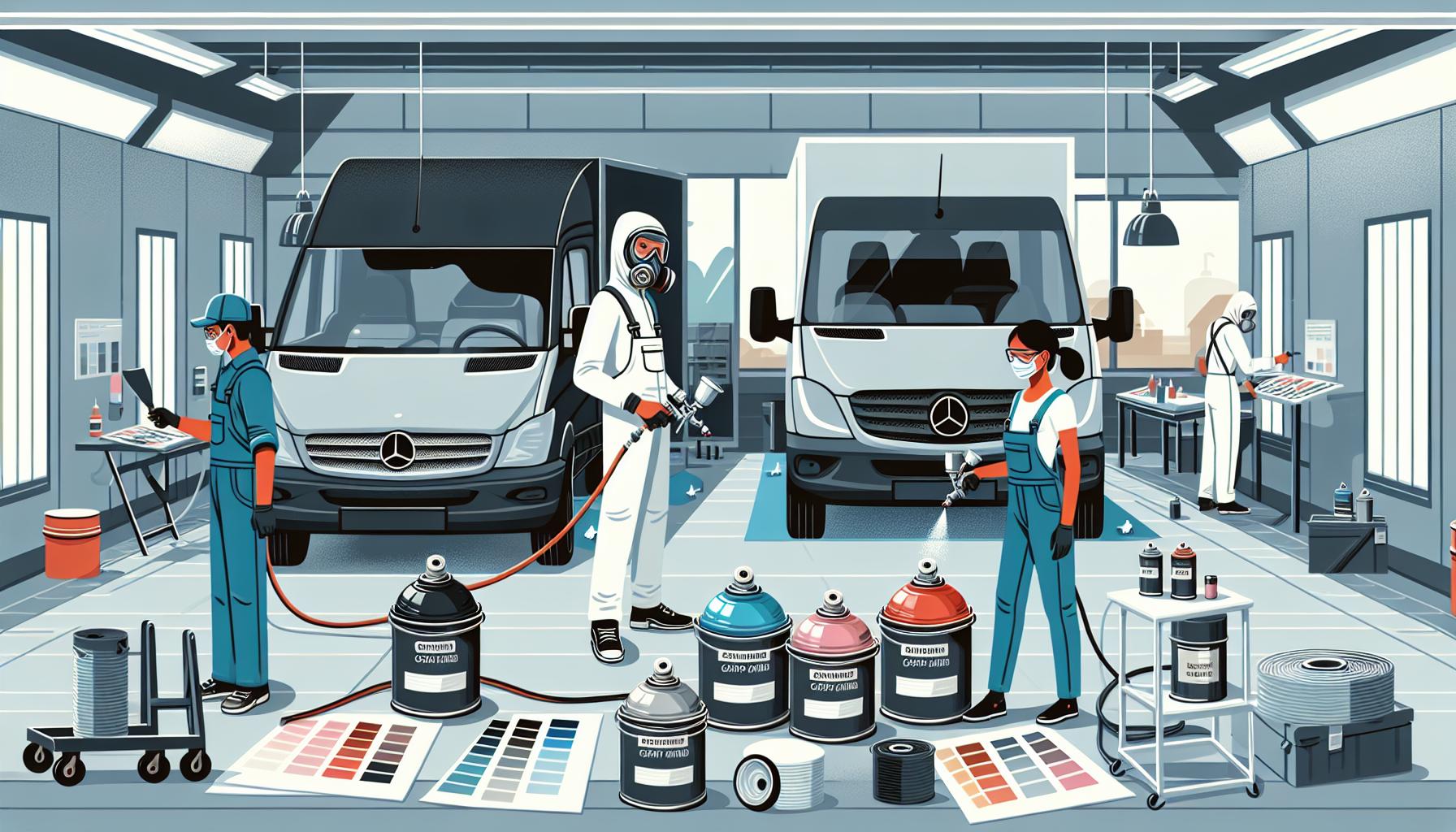
Understanding High-Build Coatings for Fleets
Table of Contents
- Understanding High-Build Coatings for Fleets
- Debunking Myths About Anti-Corrosive Coatings
- Avoiding Common Mistakes with Coating Application
- The Future of Fleet Coatings: Trends to Watch
- How to Maximise Durability with the Right Products
- The Performance Edge: Stat-Driven Coating Comparisons
- Selecting Anti-Corrosive Coatings for Extreme Environments
- Recovery Tactics After a Coating Failure
Introduction
In the bustling world of commercial fleets, maintaining the integrity and appearance of vehicles is paramount. High-build and anti-corrosive coatings offer invaluable protection, enhancing durability and performance. This guide explores the benefits, techniques, and innovations in vehicle coatings to help you make informed decisions for optimal fleet maintenance.
Understanding High-Build Coatings for Fleets
Debunking Myths About Anti-Corrosive Coatings
Anti-corrosive coatings are often misunderstood, leading to misconceptions that can affect decision-making for vehicle repairers and businesses. One widespread myth is that anti-corrosive coatings are prohibitively expensive. In fact, these coatings are a long-term investment, protecting against corrosion-related damages that can incur costly repairs and downtime.
Another belief is that solvent-based coatings outperform water-based alternatives. This is misleading; both types can provide similar protection when applied correctly. Water-based coatings, such as epoxy and polyurethane, often have lower volatile organic compounds (VOCs), making them more environmentally friendly.
Additionally, it is a myth that all coatings are the same. Coatings differ significantly in formulation, including variants like epoxy, polyurethane, and zinc-rich options. Selecting the right coating based on the application context is crucial.
Moreover, it’s a misconception that corrosion-resistant materials don’t need coatings. Metals, even those designed to resist corrosion, can deteriorate under harsh conditions, necessitating protective coatings. Furthermore, it’s untrue that only marine environments are at risk; urban infrastructures and industrial settings are equally susceptible.
Avoiding Common Mistakes with Coating Application
In commercial fleet maintenance, the application of high-build and anti-corrosive coatings is crucial for asset protection. Several common errors can compromise their effectiveness. Understanding these pitfalls and remedies is essential for commercial vehicle repairers seeking enhanced coating durability and performance.
Surface Preparation Issues
Inadequate surface preparation is a leading cause of coating failure. Surfaces must be cleaned to remove contaminants like oil, grease, dirt, and rust. Techniques such as abrasive blasting, grinding, or chemical treatments ensure an optimal surface profile for bonding.
Thickness and Application Problems
Applying coatings at incorrect thicknesses is a frequent mistake. An overly thick application can lead to cracking, while a thin layer provides inadequate protection. Using wet film thickness gauges ensures that the application meets manufacturer’s specifications.
Environmental and Surface Contamination
Moist or contaminated surfaces can result in poor adhesion and defects like bubbling. Inspect surfaces for moisture before application and ensure proper ventilation. Consider environmental factors like salt exposure and UV radiation when selecting coatings.
Application Technique Errors
Poor application techniques can lead to uneven coverage. Common errors include over-application causing runs and dry spray due to poor spraying methods. Training operators in best practices can ensure uniform application.
The Future of Fleet Coatings: Trends to Watch
Key Trends and Innovations
Towards 2026, vehicle coating technologies are shifting to sustainability, durability, and advanced performance. Eco-friendly formulations like waterborne coatings and low-VOC options are on the rise.
Self-healing ceramic coatings, which repair minor scratches, are gaining popularity for their longevity. Graphene and nanocoatings offer exceptional protective capabilities. Electrocoat systems provide even coverage and superior corrosion protection.
Customisation of coatings is also growing, with companies like BASF offering personalised aesthetics. Regulatory pressures, consumer preferences, and technological advancements suggest an exciting future for vehicle coatings.
How to Maximise Durability with the Right Products
Choosing the Right Products
Selecting high-build and anti-corrosive coatings is critical for maximising lifespan and performance. Considerations include:
- Quality Over Cost: Opt for high-quality coatings; cheaper options may degrade faster.
- Understanding Application Methods: Water-based systems offer easier cleanup and less environmental harm.
- Protection Against Corrosion: Advanced coatings like LINE-X offer excellent anti-corrosion properties.
- Endurance Testing: Products from PPG provide comprehensive protection.
- Supplier Expertise: Engage with suppliers offering technical expertise to select the best products.
- Local Availability: Ensure proximity to product suppliers for enhanced turnaround times.
Key Products for Coatings
- Axalta ViterLac C12: High-build, rapid drying, low VOC, and diesel/petrol resistant.
- RWIP120 (Indestructible Paint): Offers corrosion protection for high-stress applications.
- Regal Paint’s High Build Phosphate Quick Dry Primer: Quick drying with strong anti-corrosive capabilities.
Application Insights
Effective application methods include airless spray, brush, and roller techniques. Compliance with UK SED regulations on VOC levels and product limitations is essential.
The Performance Edge: Stat-Driven Coating Comparisons
Key Selection Criteria
For harsh UK conditions, consider:
- Environmental Matching: Opt for coatings rated for C4 or C5 as per ISO 12944 standards.
- Regulatory Compliance: Ensure adherence to EU ELV Directive and UK VOC regulations.
- Application Suitability: Different components require specific coatings.
- Durability Features: Look for quick-drying, abrasion-resistant coatings with minimal maintenance.
Recommended Coatings and Suppliers
| Coating Type | Best For | Key Benefits | Examples/Suppliers |
|---|---|---|---|
| Zinc-Alloy (e.g., Greenkote) | Chassis, bolts, engine parts | ELV-compliant, resistant to salt/chemicals | Greenkote Ltd (UK) |
| High-Build Primer/Topcoat | Fleet bodies, HGVs | ISO 12944 C4-C5, low-VOC, strong adhesion | IPS Paint (UK) |
| Cavity Wax | Repaired frames, rails | Self-healing, OEM standards | 3M (UK) |
| Powder/Wet Systems | Structural metals | Ideal for harsh environments | Northpoint Ltd (UK) |
Additional Considerations
Consider cyclic corrosion methods for testing and adhere to HSE guidelines to mitigate liability from failures. For tailored advice, consult UK firms like Northpoint.
Selecting Anti-Corrosive Coatings for Extreme Environments
Key Considerations
The choice of coatings for commercial fleets is crucial. Considerations include:
- Surface Preparation: Ensure proper cleaning, sanding, and priming.
- Environmental Resistance: Select coatings that resist UV rays and weathering.
- Application Method: Ensure compatibility with preferred application methods.
- Build Thickness: Use high-build coatings for improved corrosion resistance.
- Compliance and Safety: Adhere to UK regulations on VOC emissions.
Recommended Products
- Regal Paints: Anticorrosive High Build Phosphate Quick Dry Primer.
- Bailey Paints: High Build Anti-Corrosive Enamel.
- Kenyon Paints: Two-Pack High Build Epoxy.
Choosing the right coatings leads to significant cost savings and extended vehicle life.
Recovery Tactics After a Coating Failure
High-Build and Anti-Corrosive Coatings
Selecting the right coatings is crucial for protection against harsh environmental conditions. Recommended products include:
- Axalta ViterLac C12 Anti-Corrosive Primer/Finish: Features zinc phosphate and offers high-build performance.
- Palatine Indura 2K High Build Epoxy Primer: Includes etching additive for adhesion and anti-corrosive properties.
- Indestructible RWIP120 2-Pack Epoxy: Suitable for extreme conditions.
- Kenyon Two-Pack High Build Epoxy: Environmentally compliant and robust protection.
- Regal Anticorrosive High Build Phosphate Quick Dry Primer: Quick-dry with effective corrosion protection.
Proper preparation is vital before application. Popular UK suppliers offer bulk purchase options, advantageous for fleet operators.
Sources
- AGMA – Misconceptions About Corrosion Prevention
- Envirosolve – Misconceptions in Corrosion Part 1
- Heresite – Common Myths About Protective Coatings
- His Paint – Common Mistakes to Avoid When Applying Industrial Paint Coating
- Fireproof – Common Mistakes in Intumescent Coating Application and How to Avoid Them
- IPS Paint – Overcoming Challenges in Industrial Protective Coatings
- Dennis Auto Details – Future Car Protection: Next Generation Ceramic Coatings 2026
- Data Insights Market Research – United Kingdom Automotive OEM Coatings Market