
Chassis Paints and DTM Coatings for Commercial Vehicles: Complete Underbody Protection Guide
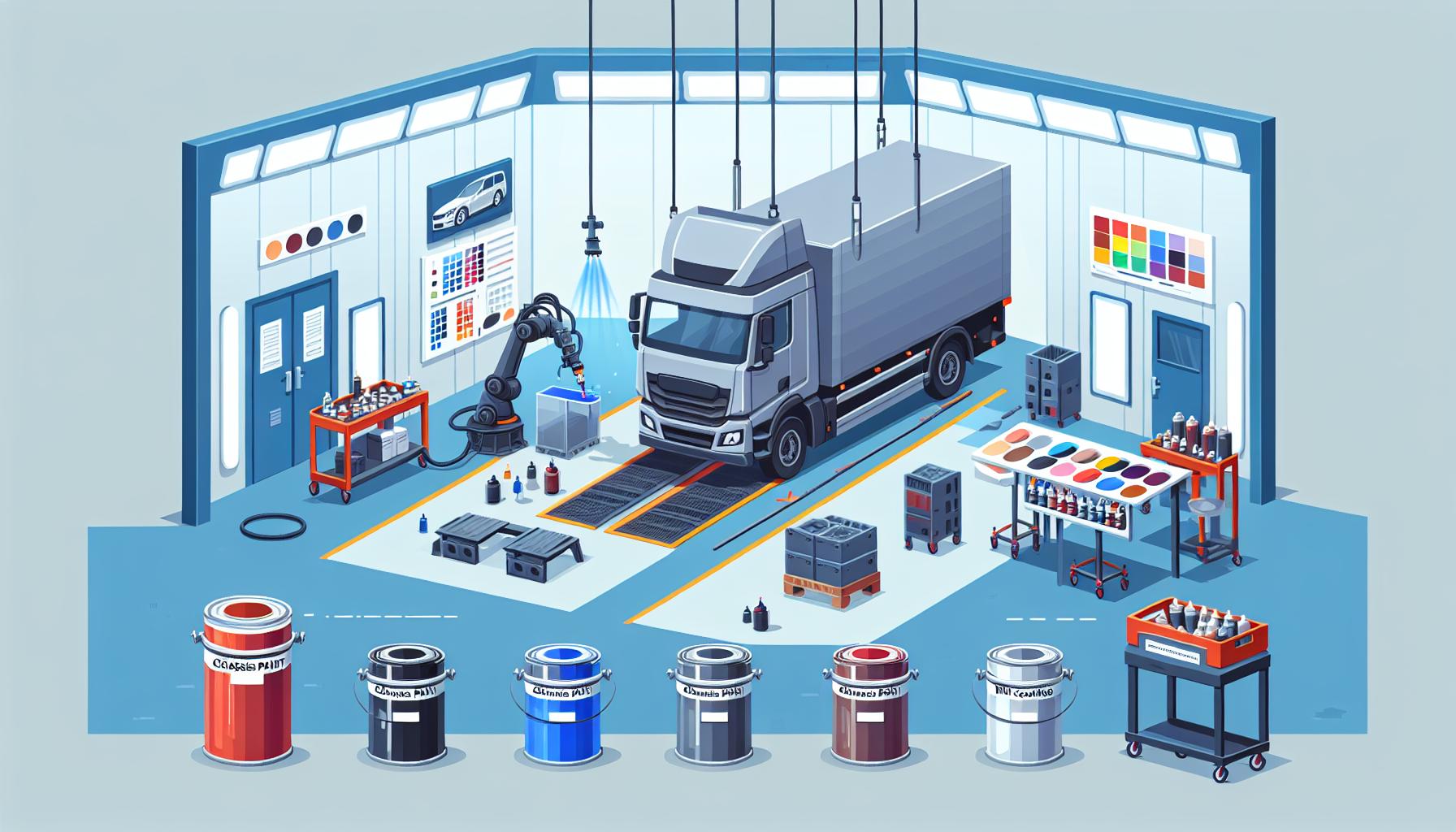
Choosing the Right Chassis Paint for Durability
Table of Contents
- Choosing the Right Chassis Paint for Durability
- Common Misconceptions About DTM Coatings
- Avoiding Costly Mistakes with Underbody Coatings
- Future Innovations in Chassis Paint Technology
- Comparative Analysis: Chassis Paints vs. DTM Coatings
- Best Practices for Applying DTM Coatings
- Dispelling Myths of Paint Longevity
- Top Mistakes in Paint Selection and How to Choose Wisely
Introduction
This comprehensive guide is designed for commercial, private, and personal vehicle repairers navigating the world of chassis paints and DTM coatings. With a confident, conversational style, this post aims to empower repairers with data-driven choices to optimise vehicle longevity and quality.
Choosing the Right Chassis Paint for Durability
Common Misconceptions About DTM Coatings
In the commercial vehicle repair landscape, several misconceptions regarding Direct-to-Metal (DTM) coatings persist, impacting maintenance decisions. One prevalent myth is that DTM coatings offer permanent rust protection. While they provide excellent corrosion resistance, no coating can guarantee everlasting protection. The longevity of a coating is influenced by formulation quality, application techniques, and environmental exposure, especially in the UK’s variable weather conditions.
Another misunderstanding relates to the applicability of DTM coatings on new vehicles. Some believe that the factory finish suffices without additional protective layers. However, high-build DTM coatings play a crucial role in enhancing durability, especially in environments affected by road salt and humidity. Thus, applying DTM coatings can significantly prolong the lifespan of a vehicle’s underbody protection.
Perceptions about performance also undermine the potential of DTM coatings. Many assume waterborne DTM coatings are inferior to solvent-based options. This belief is outdated; modern advancements have allowed waterborne DTM formulations to match or even exceed the performance of their solvent-based counterparts, particularly in light-to-medium duty environments. This innovation is particularly relevant in the UK, where regulations increasingly favour eco-friendly, low-emission options.
- Primers: Quality DTM coatings do not always require a separate primer. Many are designed for direct adhesion to prepared metal surfaces, reducing application time and improving efficiency in commercial vehicle repair.
- Quality Variation: Not all DTM coatings offer the same level of protection. When selecting products, it’s crucial to consider the type of resins used and their compliance with UK standards for performance and environmental impact.
Fleet managers should account for local environmental factors like coastal salt or urban pollution when choosing coatings. Proper surface preparation—including oil, grease, and rust removal—is vital for optimal adhesion. By busting these myths, commercial vehicle repairers can make more informed choices regarding DTM coatings, utilising their full benefits for vehicle longevity and performance.
Common Misconceptions About DTM Coatings
Here is a table you can use to illustrate common misconceptions about DTM (direct‑to‑metal) coatings for commercial vehicles.
Common Misconceptions About DTM Coatings for Commercial Vehicles
| Misconception | Reality | Why It Matters for Fleets |
|---|---|---|
| DTM coatings are just cheap “one‑coat” shortcuts with poor protection. | Modern DTM systems are engineered to combine primer and topcoat functions, offering robust corrosion and UV resistance when correctly specified. | Fleets can simplify systems and still achieve long service life, reducing total lifecycle coating costs. |
| DTM can always replace multi‑coat systems in any environment. | Many DTMs are suitable for light to medium environments (e.g., C1–C3), while harsh C4–C5 environments may still need dedicated primers or multi‑layer systems. | Selecting DTM beyond its rated environment risks underfilm corrosion and premature repainting on heavy‑duty vehicles. |
| All DTM coatings perform the same on any metal. | Performance depends on substrate (mild steel, galvanized, aluminium), pretreatment, and the specific resin chemistry. | Matching DTM to substrate and prep avoids adhesion loss, blistering, and edge rust on commercial bodies and chassis. |
| DTM means no surface preparation is needed. | Proper cleaning, degreasing, and often mechanical profiling or pretreatment are still critical for adhesion and corrosion resistance. | Skipping prep on truck bodies and trailers leads directly to peeling, underfilm rust, and warranty claims. |
| Waterborne DTM cannot match solventborne durability. | Well‑formulated waterborne DTMs can meet industrial standards and provide strong corrosion and weathering performance in appropriate environments. | Fleets can gain lower VOCs and easier compliance without automatically sacrificing protection on rail cars, vans, and plant vehicles. |
| High‑build DTM will automatically fill all defects. | DTM offers some build, but deeper dents, weld seams, and grinding marks still need filler or surfacer for a smooth finish. | Relying on DTM alone for defect hiding creates visible telegraphing on large panels and cab roofs. |
| If it is labelled “DTM,” one product suits every job on a vehicle. | Different DTM chemistries (epoxy, acrylic, polyurethane, hybrids) trade off flexibility, UV stability, and chemical resistance. | Choosing the wrong DTM type for fuel tanks, chassis, or box bodies can cause cracking, fading, or soft films in service. |
| DTM coatings are only about corrosion, not appearance. | Successful DTMs must balance corrosion protection with gloss, colour retention, levelling, and hardness in a single layer. | Commercial fleets expect both long‑term protection and a presentable image, especially for branded liveries. |
| Applying more DTM in one heavy coat is always better. | Excessive film build can cause sagging, solvent entrapment, and slow cure; recommended film thickness and recoat windows still apply. | Correct film build on large truck sides and trailers avoids runs, pinholes, and soft films that damage in service. |
| DTM is only for factory use, not refinish or maintenance. | DTMs are used both in OEM and maintenance settings to speed processes, reduce SKUs, and support wet‑on‑wet or single‑coat repairs. | Body shops and fleet workshops can use DTM systems to cut booth time and simplify stock while maintaining protection. |
Common Mistakes When Applying Underbody Coatings
Applying underbody coatings is crucial for protecting vehicles against corrosion and wear, particularly for commercial vehicles that endure harsh road conditions. However, mistakes in application can lead to ineffective protection and increased maintenance costs. Below are common errors and how to avoid them:
1. Inadequate Surface Preparation
The foundation of a successful coating application is proper surface preparation. Common mistakes include:
- Insufficient cleaning: Residues such as dirt, grease, or salt can prevent the coating from bonding effectively.
- Failure to treat rust: Loose rust should be removed, and any remaining rust must be treated with a converter.
- Damp surfaces: In the UK’s humid climate, ensuring complete drying before application is vital to avoid moisture trapping, which leads to rust.
2. Poor Application Technique
Effective application techniques are essential for achieving durability and protection:
- Uneven coating: Applying too thick a layer can create sagging or weak spots, while overly thin applications may leave critical areas exposed.
- Environmental considerations: Factors like temperature and humidity can impact application quality. Aim for a cool, dry day (10-20°C is ideal).
- Use multiple thin coats: This method increases adhesion and longevity compared to a single thick coat.
3. Incorrect Areas for Coating
Know where not to apply underbody coating to avoid functional issues:
- Avoid brake components: Coatings on brakes can interfere with performance and safety.
- Skip exhaust components: Heat from exhaust can cause coatings to degrade.
- Do not coat drainage holes: Blocking these can trap moisture and accelerate rust.
Maintenance Reminders
Finally, remember that underbody coatings, particularly oil-based ones, require regular reapplication, ideally annually. Allow coatings to cure fully before letting the vehicle back on the road to ensure optimal performance.
Avoiding Costly Mistakes with Underbody Coatings
Future Innovations in Chassis Paint Technology
Chassis paint technology is rapidly evolving, particularly for commercial vehicles, driven by the need for durability, efficiency, and environmental sustainability. Upcoming innovations are making significant strides in performance and application methods, enabling better protection and aesthetic longevity for vehicles under demanding conditions.
One of the most exciting advancements is the introduction of radiative cooling paint. Designed to enhance energy efficiency, this innovative coating can reduce the surface temperature of vehicles, helping to lower air conditioning use and improve battery performance in electric commercial vehicles. This paint, which contains special materials that reflect infrared radiation, is already being tested with promising results. In practical applications, commercial vehicles coated with this technology have demonstrated up to a 12-degree Celsius reduction in exterior temperature, making it particularly beneficial for those operating in hot climates.
Another transformative development is the precision robotic painting systems, exemplified by companies like Mercedes-Benz through their PixelPaint technology. By employing robotic systems with advanced 3D vision and over 1,000 nozzles, they achieve a remarkable paint application efficiency, eliminating overspray and reducing waste. This technology promises consistent quality and enhanced environmental compliance, essential for businesses focused on sustainability.
Moreover, the shift towards modular paint shop concepts allows for greater flexibility in commercial vehicle manufacturing. These modular systems adapt quickly to changing production needs without compromising efficiency, thereby enhancing responsiveness to market demands.
Traditional protective techniques, such as powder coating following shot blasting, continue to be a mainstay. These methods provide robust protection against rust and corrosion, crucial for the longevity of commercial vehicles that frequently encounter harsh operating environments.
Future Innovations in Chassis Paint Technology
Chassis Paints vs. DTM Coatings: A Comparative Analysis
The choice between chassis paints and DTM (Direct-to-Metal) coatings is pivotal for vehicle repairers aiming for optimal underbody protection. Both products serve essential roles in corrosion prevention, yet they differ significantly in terms of application methods, durability, and cost-effectiveness.
Chassis paints, like the widely used chassis black, are renowned for their glossy finish and ease of application. They provide good anti-corrosive properties but typically require a longer drying time to become touch dry. These paints offer higher coverage for visible components and are generally much cheaper compared to DTM coatings. Users often prefer brands such as Rustoleum or POR-15 for DIY projects due to their affordability and satisfactory longevity.
On the other hand, DTM coatings, such as Buzzweld DTM Satin Paint, boast enhanced durability and a thicker application similar to bed liners. They excel in heavy-duty corrosion resistance, making them ideal for off-road vehicles and components subject to severe wear. The application process is more straightforward since these coatings can be applied directly to metal surfaces without a primer, saving time and resources. DTM coatings tend to dry quicker than traditional chassis paints, providing better efficiency in a workshop setting.
In terms of finish, chassis paints typically present a glossier, show-quality look, while DTM coatings can be satin or gloss depending on the application technique, with the thickness providing added protection against abrasion and pressure washing.
While the initial cost of DTM coatings may be higher, their long-term advantages in durability and performance often offset these expenses. As vehicle repair enterprises consider product selection, understanding the trade-offs in cost, application, and protection level can lead to more informed decision-making.
Comparative Analysis: Chassis Paints vs. DTM Coatings
Best Practices for Applying DTM Coatings
Direct-to-Metal (DTM) coatings are increasingly popular in the UK vehicle repair sector, particularly for their ability to offer strong corrosion protection without the need for primers. This allows for significant time savings, making them particularly advantageous for commercial vehicle repairs. To maximise the effectiveness of DTM coatings, it’s essential to follow best practices in application.
Surface Preparation
Proper preparation is critical for achieving the desired adhesion and longevity of the coating:
- Thoroughly clean surfaces to remove all dirt, grease, oil, rust, and other contaminants. This process often involves degreasing and ensuring that the surfaces are completely dry.
- For light alloys, use a light abrasion post-cleaning to enhance adhesion.
- On galvanised sheets, any white powder corrosion should be removed using a wire brush.
- For rusty metal, cleaning may suffice without applying a primer, making direct application possible.
Application Methods
DTM coatings can be applied using various methods, beneficial in busy repair shops:
- Common application techniques include spray, brush, or roller methods; spraying is especially preferred for even coverage on chassis and CV panels.
- These coatings can be applied as a single coat or as part of a high-build system.
- Mix 2K acrylic DTM paints with an activator for optimal performance, offering gloss, matt, or satin finishes in various colour standards.
- Note that many formulations do not necessitate a topcoat, as some satin DTM paints demonstrate durability that matches traditional protective coatings.
Drying and Recoating Times
Fast curing capabilities are a notable advantage:
- Air-drying DTM coatings typically become touch-dry in around 30 minutes, with a recoating schedule of approximately 60 minutes.
- Polyaspartic urethanes can dry to handle in as little as 2 hours, which significantly reduces typical downtime.
UK-Specific Considerations
When selecting and applying DTM coatings in the UK:
- Ensure that the products are compliant with VOC regulations, opting for low or no-VOC options to safeguard health and environmental standards.
- Consider coatings like Permafleet VHS DTM, specifically designed for commercial vehicle applications to enhance durability and protection.
- Follow manufacturer guidelines thoroughly, which include specifications for thinners and coverage rates.
Advantages for Vehicle Repair
- Time Savings: DTM coatings reduce overall application time considerably, often reducing a process that might take 14 hours with traditional products down to just a couple of hours.
- Corrosion Resistance: These coatings effectively inhibit rust formation on exposed metal surfaces.
- Cost Efficiency: DTM coatings typically require less labour and do not necessitate specialised equipment, adding to their popularity in bodyshops.
- Durability: With robust adhesion and abrasion resistance, DTM coatings are suitable for both interior and exterior applications.
Best Practices for Applying DTM Coatings
Dispelling Myths of Paint Longevity
When it comes to commercial vehicle paints and coatings, misconceptions about their longevity and durability can lead to poor choices and suboptimal maintenance practices. Understanding the realities behind these myths is crucial for vehicle repairers and owners alike.
One prevalent myth is that paint damage is purely cosmetic. In truth, while the appearance of a vehicle is important, the paint serves as the primary barrier against rust and corrosion. Ignoring minor chips and scratches can allow moisture and contaminants to penetrate, potentially leading to far more significant structural damage over time.
Another common misunderstanding is that older vehicle paints are impossible to match. However, advancements in colour matching technology now allow for precise replications of most shades, even on classic vehicles, through digital tools and expert blending techniques.
Many people believe water-based paints do not last long enough. This is a fallacy; modern water-based options adhere remarkably well and provide durability comparable to older solvent-based paints, as long as they are applied correctly.
Additionally, it’s a misconception that frequent polishing extends paint life. In reality, over-polishing can degrade the paint thickness, leading to fading. Professional recommendations suggest limiting polishing to specific conditions, focusing instead on maintaining cleanliness to avoid damaging paint integrity.
Lastly, while ceramic coatings offer excellent protection against UV rays and minor scratches, they are not a permanent fix and still demand regular maintenance to retain their protective qualities.
Dispelling Myths of Paint Longevity
Common Mistakes in Paint Selection for Vehicle Repairs
Selecting the right paint for vehicle repairs is crucial for achieving a durable and visually appealing finish. However, many vehicle repairers, whether in commercial garages or private settings, fall into common pitfalls that can affect the quality of their work. Understanding these mistakes and how to avoid them is key to ensuring successful outcomes.
- Incompatible Paint Formulations: Using paint types that are not compatible can lead to difficulties in adhesion and poor results. It’s vital that primers, base coats, and clear coats are specifically formulated to work together. For instance, if a polyurethane topcoat is used over an epoxy primer, adhesion issues may arise, leading to peeling or flaking after application.
- Colour Mismatching: Achieving the correct colour match is often more complex than it seems. Repairers sometimes neglect to verify the OEM (Original Equipment Manufacturer) colour code, leading to mismatches. Techniques to avoid this include using a spectrophotometer to analyse existing colours and ensuring consistent lighting conditions when assessing colour matches.
- Insufficient UV Protection: A common mistake is failing to choose clear coat products with adequate UV protection. Poor-quality clear coats can degrade, leading to premature peeling and a discoloured finish. Always verify that the selected clear coat provides robust UV shielding to extend the lifespan of the paint job.
- Improper Reducer and Hardener Selection: The choice of reducer (thinner) and hardener ratios can significantly impact the final outcome. Using a reducer not suited to the ambient conditions can cause the paint to dry incorrectly, resulting in issues such as ‘orange peel.’ It’s crucial to adhere to manufacturer specifications for these products to avoid complications.
The potential for error in paint selection may seem overwhelming, but by remaining aware of these common pitfalls, repairers can make more informed choices and ultimately yield superior results.
Top Mistakes in Paint Selection and How to Choose Wisely
Understanding DTM Coatings in the UK
DTM (Direct to Metal) coatings are a pivotal choice for commercial vehicle repairers in the UK, providing a streamlined application process directly onto bare metal surfaces. This eliminates the need for a separate primer, yielding robust adhesion while ensuring superior corrosion resistance and durability. DTM formulations are particularly suited for use on steel, galvanised steel, aluminium, and light alloys, making them ideal for trailers, underbodies, and bodywork within commercial, industrial, and public service vehicle sectors.
Key Benefits of DTM Coatings
- Adhesion and Protection: DTM coatings exhibit excellent bonding capabilities to various substrates without the necessity for etch primers, effectively resisting abrasion, corrosion, and environmental damages.
- Efficiency: The application process is time-efficient, bypassing the need for primer, thus reducing both labour and costs. These coatings are compatible with high-build repairs and low-VOC formulas.
- Versatile Finishes: DTM coatings are available in gloss, satin, and matt finishes, and they can be custom matched to RAL Classic and British Standard (BS) colours, which is essential for fleet branding.
Choosing Chassis-Specific Paints
Chassis paints, often in DTM formulations, offer vital protection against rust, stone chips, and wear. Products include:
- 2K Abrasion-Resistant DTM: Perfect for use on trailers and bodywork with excellent durability against harsh conditions.
- Black Tinned Chassis Paint: A ready-to-spray option typically supplied in 1L or 5L tinned paints that adhere well to metal surfaces.
Application Guidelines Across the UK
- Preparation: Thoroughly clean and degrease the surface, removing rust via wire brushing or sanding.
- Mixing: For 2K products, combine the activator and hardener according to specified ratios; 1K options are usually ready to apply.
- Application Methodology: While spray applications are recommended, brushes or rollers can be used for areas requiring multiple coats.
- Practical Tips: Apply thin layers to avoid runs, and consider testing colours in advance as final appearances may vary.
Suppliers across the UK, such as IPS Paint, Palatine Paints, and Buzzweld, offer a range of DTM products tailored for commercial vehicle maintenance and repair.
Sources
- IPS Paint – Why High Build Anti-Corrosive Coatings Matter for Commercial Fleets
- BASF – Don’t Fall for These 3 Waterborne DTM Coating Myths
- Paint.org – Waterborne Direct-to-Metal Coatings
- Pedal Commander – Ultimate Guide to Car Underbody Coating
- Surface Prep – 8 Common Mistakes in Industrial Coatings
- Car Rust – Undercoating: Prevention Tips
- BASF – Commercial Vehicle Paint Solutions
- Marshal – Nissan Paint Technology