
Complete Winter Car Detailing Guide: South Wales Bodyshop Supplier Shares Professional Protection Methods
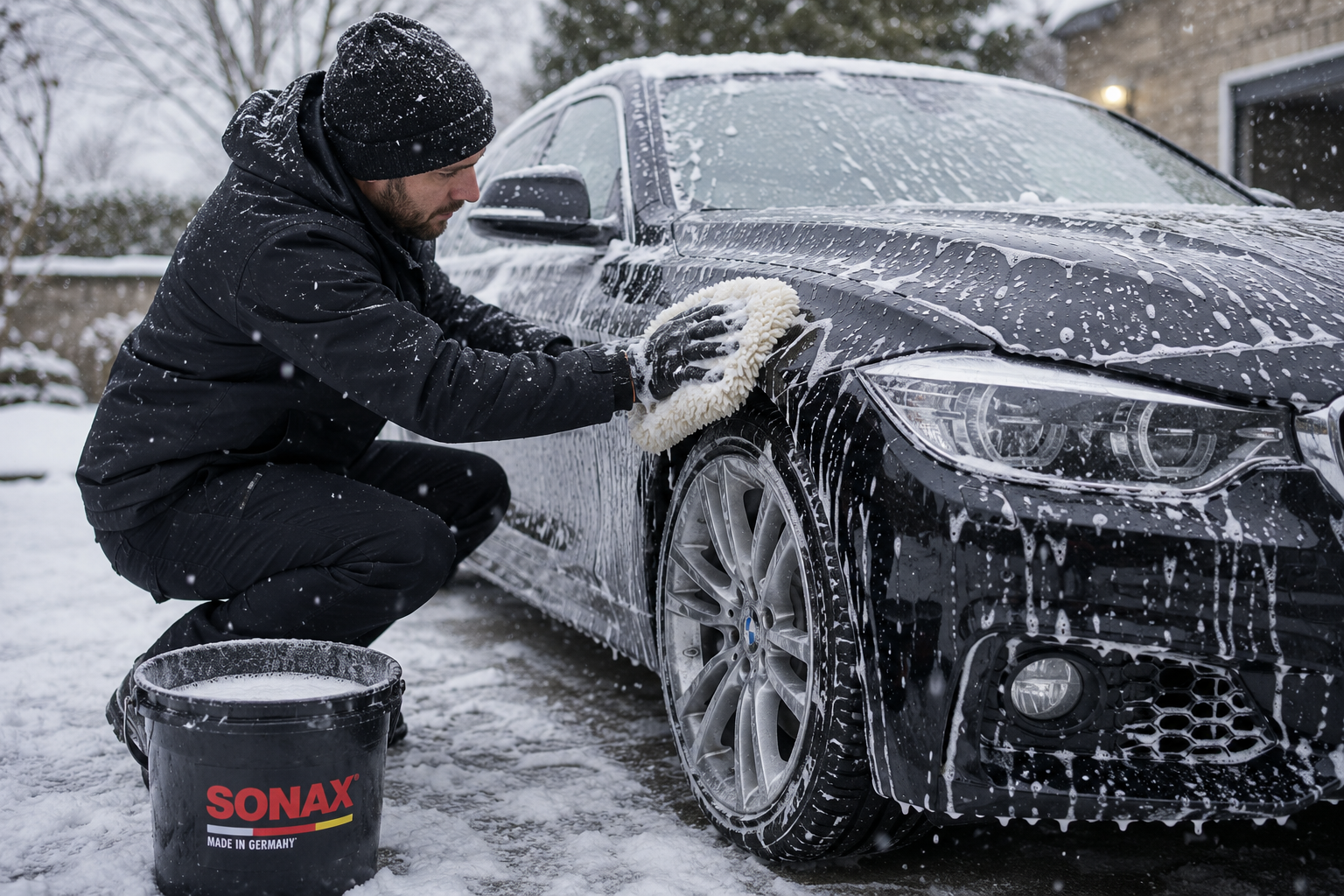
Winter might be one of the most damaging seasons for your vehicle, but the real danger isn’t always the weather itself—it’s the combination of road salt, abrasive grit, moisture, diesel residue, and improper washing techniques that silently destroy paintwork, wheels, glass, and protective coatings over time.
A complete winter car detailing process involves safe pre-washing, contamination removal, wheel cleaning, interior protection, glass treatment, rubber seal maintenance, and long-term paint protection using professional-grade products and proven techniques. Proper winter detailing helps reduce swirl marks, corrosion, oxidation, visibility issues, and premature clear coat failure caused by harsh winter driving conditions.
For drivers across South Wales, where heavy rainfall and road salt exposure create constant contamination risks, understanding how to safely maintain a vehicle during winter is essential for preserving appearance, performance, and long-term value.
Key Takeaways
- Winter road salt and abrasive grime can rapidly accelerate corrosion, oxidation, and paint damage if not removed correctly.
- Safe pre-wash methods using snow foam and pressure rinsing can dramatically reduce swirl marks and clear coat scratches.
- Brake dust and winter contamination can permanently stain wheels if left untreated.
- Rubber seals and trim require winter protection to prevent freezing, cracking, and moisture ingress.
- Ceramic coatings and polymer sealants provide additional protection against winter contaminants and road film.
- Professional detailing techniques help preserve vehicle appearance, resale value, and long-term paint integrity.
- South Wales’ wet climate creates ideal conditions for prolonged contamination exposure during winter months.
Why Winter Is So Damaging for Vehicles
Winter driving conditions expose vehicles to some of the harshest contamination mixtures encountered throughout the year. Road salt, sand, grit, standing water, diesel residue, brake dust, and organic debris combine to create an abrasive and corrosive film that bonds aggressively to paintwork and metal surfaces.
Road salt is particularly dangerous because it is hygroscopic, meaning it continuously attracts moisture from the atmosphere. Even after roads appear dry, salt residue can continue accelerating oxidation and corrosion beneath the surface.
Modern vehicle clear coats are also significantly thinner than many drivers realise. Clear coat layers are often only around 40–60 microns thick, meaning aggressive washing or abrasive contamination can permanently damage paint protection layers over time.
The Complete Winter Detailing Process
Professional winter detailing involves far more than simply washing the vehicle. Proper protection requires a structured process designed to safely remove contamination whilst minimising paint contact and preserving protective surfaces.
The 8-Step Winter Detailing Process
- Pressure rinse the vehicle
- Apply snow foam pre-wash
- Clean wheels and tyres separately
- Perform safe two-bucket contact washing
- Decontaminate glass surfaces
- Dry using microfibre towels
- Apply protective coatings
- Protect rubber seals and trim
Safe Pre-Wash and Pressure Washing Methods
The pre-wash stage is one of the most important steps in winter vehicle detailing because it removes loose abrasive contamination before physical contact occurs.
Professional pressure washing systems typically operate between approximately 1,200–2,000 PSI to balance effective cleaning performance with paint safety. Correct pressure washing techniques help remove heavy grime accumulations from wheel arches, lower body panels, and undercarriage areas where contamination builds most aggressively.
Pressure rinsing should always begin from the top of the vehicle and work downward systematically to reduce contamination transfer.
Why Pre-Washing Matters
Skipping the pre-wash stage is one of the leading causes of:
- Swirl marks
- Fine scratches
- Clear coat damage
- Paint marring
- Wash-induced defects
Professional detailing guidance suggests effective snow foam and pre-wash stages can remove the majority of loose contamination before contact washing begins.
Snow Foam and Contamination Removal
Snow foam acts as a chemical pre-treatment that loosens bonded winter grime through surfactant action. The foam clings to vertical surfaces, allowing cleaning agents additional dwell time to break down road film, salt deposits, diesel residue, and grime.
Professional snow foam products are typically pH-balanced to reduce the risk of damaging waxes, ceramic coatings, and sealants.
Benefits of Snow Foam
- Reduces abrasive contact during washing
- Helps lift contamination safely
- Improves lubrication during cleaning
- Reduces swirl mark risk
- Assists with salt removal
- Softens stubborn road film
Wheel and Brake Dust Cleaning
Wheels experience some of the harshest winter contamination because they are constantly exposed to brake dust, road salt, tar, and dirty standing water.
Brake dust contains metallic particles generated during braking that can embed into wheel finishes if left untreated. Winter moisture accelerates this contamination process, increasing the risk of staining and corrosion.
Safe Winter Wheel Cleaning Process
- Rinse wheels thoroughly
- Apply dedicated wheel cleaner
- Allow controlled dwell time
- Agitate with soft brushes
- Rinse thoroughly
- Dry and protect the wheel surface
Separate wheel cleaning tools should always be used to prevent brake dust contamination transferring onto paintwork.
Glass Cleaning and Visibility Restoration
Winter driving significantly reduces visibility due to oily road film, exhaust residue, moisture, salt spray, and grime buildup on vehicle glass.
Professional glass cleaners such as SONAX Glass Cleaner help safely remove:
- Exhaust film
- Nicotine residue
- Road grime
- Fingerprints
- Oily contamination
Two-Towel Glass Cleaning Method
Professional detailers commonly use:
- A damp microfibre towel for contamination removal
- A dry microfibre towel for final buffing
This method helps reduce streaking and improves visibility during low winter sunlight conditions.
Interior Winter Detailing
Winter contamination doesn’t stop at the exterior. Mud, moisture, salt, and debris are constantly transferred into vehicle interiors during winter driving.
Without proper cleaning, moisture buildup can contribute to:
- Odours
- Carpet staining
- Trim deterioration
- Condensation issues
- Interior mould growth
Winter Interior Detailing Priorities
- Rubber mat cleaning
- Upholstery protection
- Dashboard cleaning
- Glass decontamination
- Moisture control
- Vent cleaning
Solvent-free interior cleaners are particularly beneficial for maintaining delicate interior materials without excessive chemical exposure.
Rubber Seal Protection During Winter
Cold weather can cause rubber door seals and trim components to harden, crack, or freeze to door frames during severe winter conditions.
Rubber protectants help:
- Reduce freezing
- Maintain flexibility
- Prevent cracking
- Improve water resistance
- Extend seal lifespan
Applying rubber protectant before freezing temperatures arrive is one of the simplest ways to reduce winter wear and prevent seal damage.
Ceramic Coatings and Paint Protection
Winter is one of the best times to apply long-term paint protection systems because protective coatings reduce contamination bonding and improve wash safety.
Benefits of Ceramic Coatings During Winter
- Increased hydrophobic protection
- Easier contamination removal
- Reduced dirt bonding
- Improved gloss retention
- Additional UV protection
- Improved chemical resistance
Polymer sealants and ceramic coatings also reduce the likelihood of road grime bonding aggressively to paint surfaces.
Corrosion Prevention Strategies
Corrosion prevention is one of the most important aspects of winter vehicle care, particularly in regions such as South Wales where heavy rainfall prolongs moisture exposure.
Areas Most Vulnerable to Corrosion
- Wheel arches
- Undercarriage components
- Brake lines
- Suspension components
- Door sills
- Lower body panels
Corrosion Prevention Checklist
- Wash the vehicle regularly
- Remove salt contamination quickly
- Protect paintwork with coatings
- Clean wheel arches frequently
- Keep drainage channels clear
- Dry vehicles thoroughly after washing
Common Winter Car Washing Mistakes
8 Common Mistakes That Damage Vehicles During Winter
- Washing without a pre-rinse
- Using one bucket only
- Washing in direct sunlight
- Using household detergents
- Reusing contaminated wash mitts
- Cleaning hot glass surfaces
- Using dirty drying towels
- Ignoring wheel contamination
Many winter paint defects occur during improper washing rather than from the contamination itself.
Winter Detailing Comparison Table
| Cleaning Method | Risk Level | Paint Protection | Winter Safety |
| One-bucket wash | High | Poor | Low |
| No pre-wash | Very High | Very Poor | Low |
| Snow foam pre-wash | Low | High | Excellent |
| Two-bucket wash method | Low | High | Excellent |
| Ceramic-coated vehicle | Very Low | Excellent | Excellent |
Key Statistics
- Professional detailing guidance suggests pre-wash stages can remove the majority of loose contamination before contact washing.
- Automotive clear coat thickness is often only around 40–60 microns.
- SONAX Clear View Concentrate uses approximately a 1:100 dilution ratio.
- Professional pressure washers commonly operate between 1,200–2,000 PSI for safe vehicle cleaning.
- Winter road salt can significantly accelerate oxidation and corrosion rates on exposed metal surfaces.
- Microfibre towels can absorb several times their own weight in liquid whilst reducing scratching risks.
IPS Paint: Professional Valeting Solutions Across South Wales
IPS Paint supplies professional valeting products, detailing systems, bodyshop consumables, and automotive refinishing solutions across South Wales.
From snow foam systems and wheel cleaners to glass products, protective coatings, and commercial vehicle detailing supplies, IPS Paint supports bodyshops, valeters, commercial vehicle operators, and detailing professionals with industry-leading automotive care solutions.
Winter vehicle maintenance requires more than cosmetic cleaning—it demands safe contamination removal, corrosion prevention, and professional-grade protection systems that preserve long-term vehicle condition.
Key Facts
- Road salt is hygroscopic, meaning it attracts and retains atmospheric moisture.
- Winter contamination commonly contains salt, brake dust, diesel residue, oil film, and abrasive grit.
- Swirl marks are often caused during improper washing rather than from driving itself.
- Brake dust contains metallic particles that can damage wheel finishes over time.
- Snow foam improves lubrication during the washing process.
- Ceramic coatings help reduce contamination bonding to paint surfaces.
- Rubber seals can freeze and crack during severe winter weather without protection.
- South Wales experiences high rainfall levels that increase winter contamination exposure.
Summary
Winter vehicle detailing is essential for protecting paintwork, wheels, glass, trim, and interior surfaces from the damaging effects of road salt, moisture, abrasive contamination, and improper washing techniques. This guide explains how professional detailing methods such as pressure washing, snow foam pre-treatment, two-bucket washing, wheel decontamination, glass cleaning, ceramic coating application, and rubber seal protection help preserve vehicle condition during harsh winter driving conditions.
The article also explores corrosion prevention strategies, common winter washing mistakes, and the importance of safe cleaning products for maintaining modern vehicle finishes. IPS Paint provides professional valeting supplies and detailing solutions for bodyshops, commercial vehicle operators, and detailing professionals throughout South Wales.
Definitions
Snow Foam
Snow foam is a pre-wash cleaning solution designed to loosen dirt, road salt, and contamination before contact washing begins.
Swirl Marks
Swirl marks are fine circular scratches caused by abrasive contamination moving across a vehicle’s clear coat during improper washing or drying.
Clear Coat
Clear coat is the transparent protective paint layer applied over a vehicle’s coloured basecoat.
Brake Dust
Brake dust is a metallic residue created from brake pad wear that can bond to wheels and paint surfaces.
Hygroscopic Salt
Hygroscopic salt attracts and retains moisture from the surrounding atmosphere, prolonging corrosion exposure.
Two-Bucket Wash Method
The two-bucket wash method uses separate wash and rinse buckets to reduce contamination transfer during vehicle cleaning.
Ceramic Coating
Ceramic coating is a protective liquid polymer applied to paintwork to improve chemical resistance and contamination protection.
Pressure Washing
Pressure washing uses high-pressure water to safely remove loose contamination from vehicle surfaces before contact washing.
FAQs: Winter Car Detailing
Why is winter car detailing important?
Winter detailing helps remove road salt, abrasive grime, and contamination that can accelerate corrosion and damage paintwork.
How often should you wash a car during winter?
Vehicles exposed to heavy winter road salt should ideally be washed every 1–2 weeks depending on driving conditions.
Does snow foam prevent swirl marks?
Snow foam helps reduce swirl marks by loosening contamination before contact washing begins.
Can road salt permanently damage paintwork?
Yes. Prolonged salt exposure can accelerate corrosion, oxidation, and clear coat deterioration.
What PSI is safe for washing a car?
Professional vehicle pressure washing commonly operates between approximately 1,200–2,000 PSI when used correctly.
Why are grit guards important?
Grit guards trap abrasive contamination at the bottom of wash buckets, helping reduce contamination transfer.
Can ceramic coatings help during winter?
Yes. Ceramic coatings help reduce contamination bonding and improve wash safety during winter months.
Why do rubber seals freeze in winter?
Moisture trapped around untreated rubber seals can freeze during low temperatures, causing sticking and cracking.