
Keeping UK Public Service Vehicles Road-Ready: Essential Body Shop Services
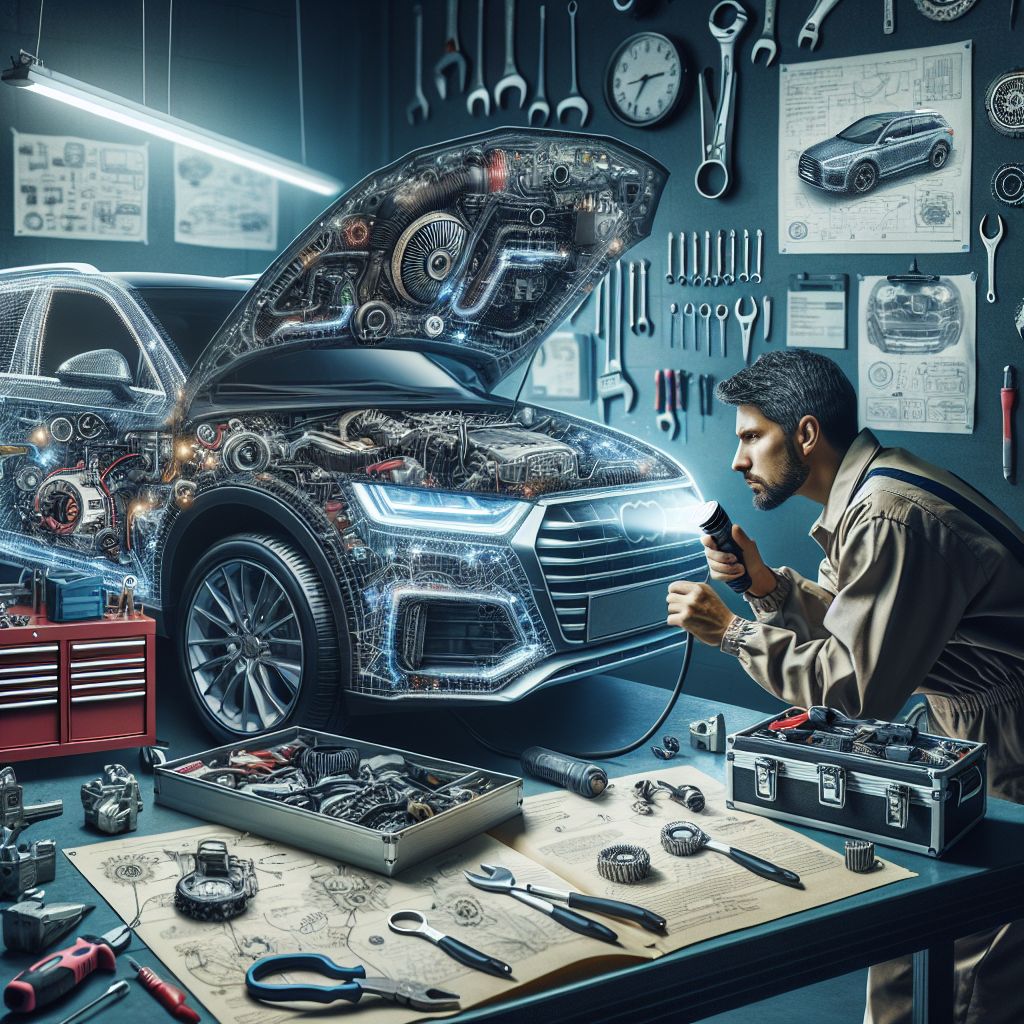
Key Takeaways
- Regular maintenance of public service vehicles (PSVs) is vital for ensuring passenger safety and operational efficiency.
- Routine inspections help identify potential issues before they become costly repairs.
- Compliance with UK legal requirements prevents fines and ensures the safety of vehicles.
- Collaborating with professional body shops enhances vehicle longevity and reliability.
- Implementing a preventative maintenance planner optimizes vehicle uptime and reduces breakdowns.
Why Regular Maintenance is Crucial for UK Public Service Vehicles
Regular maintenance of public service vehicles is not just a matter of keeping the wheels turning. It’s a critical practice that ensures the safety, efficiency, and reliability of transportation services. Public service vehicles, like buses and coaches, are the backbone of public transport in the UK, and their maintenance is a non-negotiable aspect of operational excellence.
Impact on Public Transport Efficiency
When public service vehicles are well-maintained, they operate more efficiently. This means fewer breakdowns, delays, and disruptions. Most importantly, a well-maintained fleet can meet its schedule more consistently, which is essential for passenger satisfaction. Imagine waiting for a bus that never arrives on time. It’s frustrating, right? Therefore, regular maintenance ensures that vehicles are always ready to serve the public without unexpected hiccups.
One way to achieve this is through routine inspections. These inspections help identify issues like worn-out brake pads or malfunctioning lights before they escalate into major problems. For instance, a simple check could reveal a potential brake failure, which, if left unchecked, could lead to serious accidents.
“Routine maintenance is not just about keeping vehicles on the road; it’s about ensuring they operate safely and efficiently.” – UK Transport Authority. For more insights on the benefits of regular upkeep, explore why regular maintenance for your UK fleet’s bodywork is crucial.
Safety Considerations for Passengers and Drivers
Safety is paramount when it comes to public transport. Regular maintenance ensures that vehicles are safe for both passengers and drivers. For example, a well-maintained vehicle reduces the risk of accidents caused by mechanical failures. It also ensures that safety features like seatbelts and airbags are in good working condition.
Besides that, regular checks help maintain the vehicle’s structural integrity, which is crucial in protecting passengers during collisions. A small crack in the windshield or a loose door hinge might seem minor, but in an accident, they could mean the difference between life and death.
Legal Requirements and Compliance
In the UK, there are stringent legal requirements for the maintenance of public service vehicles. Operators must ensure that their vehicles meet specific safety and roadworthiness standards. Failure to comply can result in hefty fines, vehicle impoundment, or even the revocation of operating licenses. Regular maintenance, such as bodywork checks, can help operators stay compliant and avoid these penalties.
Therefore, it’s crucial to stay updated with the latest regulations and ensure that all vehicles are compliant. This involves keeping detailed maintenance records, conducting regular inspections, and addressing any identified issues promptly. Compliance not only avoids legal repercussions but also enhances the overall safety and reliability of the transport service. For more information, you can refer to the Public Service Vehicle Operator Licensing Guide.
Core Body Shop Services for Public Service Vehicles
Body shop services play a pivotal role in maintaining the roadworthiness of public service vehicles. From routine inspections to major repairs, these services ensure that vehicles remain safe, reliable, and aesthetically pleasing. Let’s delve into some core services offered by professional body shops.
| Service | Description |
|---|---|
| Collision Repair | Repair services for cars, light vehicles (vans), heavy vehicles, and motorcycles involved in collisions or incidents |
| Structural Repair | Specialized repair for truck and van chassis and cab structures |
| Paint and Refinishing | Full-body painting, custom painting, and refinishing services |
| Windscreen Repair/Replacement | Repair of minor damages or full replacement of windscreens |
| ADAS Calibration | Recalibration of Advanced Driver Assistance Systems after repairs |
| Electric/Hybrid Vehicle Repair | Specialized repair services for electric and hybrid vehicles, including high-voltage system handling |
| Non-structural Repairs | Repairs for minor dents, scratches, and cosmetic damages |
| Recovery and Transport | Collection and delivery of damaged vehicles to and from repair facilities |
| Damage Assessment | On-site inspections and production of repair estimates |
| Quality Assurance | Adherence to industry standards (e.g., BS10125, VBRA Elite) and manufacturer specifications |
Importance of Routine Inspections
Routine inspections are the cornerstone of vehicle maintenance. They help identify potential issues early on, preventing costly repairs and ensuring vehicle safety. Here’s what a typical routine inspection might include:
- Checking brake systems for wear and tear
- Inspecting tires for tread depth and pressure
- Assessing the condition of lights and indicators
- Evaluating the integrity of the vehicle’s body and structure
- Testing the functionality of safety features like seatbelts and airbags
By conducting these inspections regularly, operators can ensure that their vehicles remain in top condition, ready to serve the public safely and efficiently. For more detailed guidelines, you can refer to the Guide to Maintaining Roadworthiness.
In conclusion, regular maintenance and collaboration with professional body shops are vital for keeping public service vehicles road-ready. By prioritizing inspections, repairs, and compliance, operators can ensure the safety, efficiency, and reliability of their transport services.
Collaborating with Professional Body Shops
Collaborating with professional body shops is essential for maintaining the quality and safety of public service vehicles. These partnerships ensure that vehicles receive expert care, from routine maintenance to complex repairs. A good body shop can be the difference between a vehicle that runs smoothly and one that frequently breaks down.
Choosing the Right Body Shop Partner
Finding the right body shop partner involves more than just selecting the closest option. It’s about finding a partner who understands the specific needs of public service vehicles. Here are some factors to consider, including the importance of high-quality paint products in maintaining these vehicles:
- Experience with public service vehicles: Ensure the shop has a track record of working with similar vehicles.
- Certifications and qualifications: Look for certifications that demonstrate expertise and adherence to industry standards.
- Range of services: Choose a shop that offers a comprehensive range of services, from basic maintenance to advanced repairs.
- Reputation: Check reviews and testimonials from other fleet operators to gauge the shop’s reliability and service quality.
Once you’ve identified potential partners, visit their facilities to assess their capabilities and meet the team. This firsthand experience can provide valuable insights into their operations and customer service. For more information on maintaining roadworthiness, refer to the Guide to Maintaining Roadworthiness.
Incorporating Manufacturer Guidelines
Adhering to manufacturer guidelines is crucial when maintaining public service vehicles. These guidelines provide detailed instructions on how to service and repair vehicles to ensure they operate safely and efficiently. Professional body shops should incorporate these guidelines into their processes to guarantee that all work is performed to the highest standards.
Reliability of Service and Time Management
Time is of the essence when it comes to public service vehicle maintenance. Any downtime can lead to service disruptions and lost revenue. Therefore, it’s vital to work with a body shop that values reliability and efficient time management. This means completing repairs promptly without compromising on quality. For more information on maintaining roadworthiness, refer to the updated DVSA guide.
Moreover, a reliable body shop will keep you informed about the progress of repairs and any unexpected issues that may arise. This transparency helps you plan better and minimize vehicle downtime.
Optimising Maintenance Schedules
Optimizing maintenance schedules is key to ensuring that public service vehicles remain roadworthy and efficient. A well-planned schedule minimizes downtime and prevents unexpected breakdowns. Learn more about regular maintenance for your UK fleet’s bodywork and how it can save you money.
Setting Up a Preventative Maintenance Planner
Example: A bus fleet manager implemented a preventative maintenance planner that reduced breakdowns by 30% within a year.
A preventative maintenance planner helps schedule regular checks and services, allowing you to address potential issues before they become serious problems. Here’s how to set one up:
- Identify critical components that require regular checks, such as brakes, tires, and lights.
- Establish maintenance intervals based on manufacturer recommendations and vehicle usage.
- Assign responsibilities for inspections and repairs to specific team members or external partners.
- Track and document all maintenance activities to monitor performance and identify patterns.
By following these steps, you can create a maintenance schedule that keeps your vehicles in top condition and reduces the risk of unexpected failures. For more detailed guidance, you can refer to the Guide to Maintaining Roadworthiness.
Coordinating Safety Inspections
Safety inspections are a crucial part of maintaining public service vehicles. These inspections ensure that all safety features are functioning correctly and that the vehicle is safe for operation. Regular inspections help identify issues like faulty brakes or worn tires before they lead to accidents.
Coordinating these inspections involves setting up a schedule that aligns with your maintenance planner. This ensures that inspections are conducted regularly and that any issues are addressed promptly. Additionally, working with a professional body shop can provide expert insights into potential safety concerns and how to address them effectively.
Integration with Driver Feedback Systems
Drivers are on the front lines and often the first to notice potential issues with vehicles. Integrating driver feedback into your maintenance process can provide valuable insights into vehicle performance and potential problems. Encourage drivers to report any issues they encounter, no matter how minor they may seem.
Implement a system for logging and addressing driver feedback promptly. This not only helps identify issues early but also demonstrates a commitment to safety and quality, boosting driver morale and engagement.
Case Studies: Success Stories in UK Public Transport
Many public transport operators in the UK have successfully implemented maintenance strategies that have significantly improved their operations. For instance, a London-based bus company reduced its breakdown rate by 40% within a year by partnering with a specialized body shop and implementing a robust preventative maintenance schedule.
Another example is a regional coach service that enhanced passenger satisfaction by ensuring all vehicles were regularly inspected and maintained. This proactive approach not only improved service reliability but also increased passenger trust and loyalty.
Testimonials from Fleet Operators
Fleet operators across the UK have shared their positive experiences with regular maintenance and professional body shop services. Their stories highlight the tangible benefits of these practices in ensuring vehicle reliability and passenger safety.
- One operator noted a significant decrease in breakdowns after partnering with a reputable body shop for routine inspections.
- Another operator praised the proactive approach of their maintenance team, which led to improved on-time performance and customer satisfaction.
- A third operator emphasized the importance of driver feedback in identifying issues early, leading to quicker resolutions and reduced downtime.
These testimonials underscore the value of regular maintenance and professional partnerships in maintaining a reliable fleet.
Moreover, these operators have seen a marked improvement in their service quality, which has translated into increased passenger trust and loyalty. This demonstrates that investing in vehicle maintenance is not just a cost, but a strategic advantage.
Therefore, by learning from these success stories, other operators can implement similar strategies to enhance their own operations and deliver superior service to their passengers.
Lessons Learned and Best Practices
From these testimonials, several key lessons and best practices emerge that can guide other operators in optimizing their maintenance strategies.
First, regular inspections and maintenance are non-negotiable. They are essential for identifying and addressing issues before they escalate. Second, collaborating with a reputable body shop can provide expert insights and services that enhance vehicle reliability. Finally, incorporating driver feedback into the maintenance process ensures that potential issues are identified early and addressed promptly.
Conclusion: Ensuring Long-Term Road-Readiness
Example: A bus company in Manchester improved its service reliability by 50% after implementing a comprehensive maintenance plan and partnering with a leading body shop.
In conclusion, maintaining the road-readiness of public service vehicles requires a strategic approach that combines regular maintenance, professional partnerships, and proactive problem-solving. By prioritizing these elements, operators can ensure the safety, reliability, and efficiency of their fleets.
Ultimately, this not only enhances passenger satisfaction but also boosts operational efficiency and profitability. It’s a win-win situation that benefits operators, passengers, and the broader community. For those in the commercial vehicle sector, mastering the art of perfect colour matching is essential to maintaining a professional and appealing fleet.
So, take the time to invest in your vehicles’ maintenance and build strong relationships with professional body shops. It’s an investment that pays off in the long run, ensuring your fleet remains road-ready and capable of delivering exceptional service.
Frequently Asked Questions (FAQ)
What are the most common repairs in public service vehicles?
Common repairs include brake replacements, tire changes, and light fixture repairs. These components are subject to regular wear and tear due to frequent use.
Additionally, addressing minor body damage and ensuring the functionality of safety features are also common repair tasks. Regular maintenance for your UK fleet’s bodywork can prevent costly repairs, as explained in this article.
How often should public service vehicles undergo maintenance?
Public service vehicles should undergo maintenance every 6 to 8 weeks, depending on their usage and manufacturer recommendations.
Regular inspections are crucial to identifying potential issues early and ensuring the vehicle remains safe and reliable for passengers.
What role do drivers have in maintaining vehicle roadworthiness?
Drivers play a vital role in maintaining vehicle roadworthiness by reporting any issues they encounter during operation.
How can body shops improve public transport efficiency?
Body shops improve efficiency by providing expert maintenance services that reduce downtime and prevent unexpected breakdowns. Additionally, the role of high-quality paint products is crucial in maintaining the durability and appearance of public service vehicles.
What sets a professional body shop apart from others?
A professional body shop stands out through its expertise, certifications, and commitment to quality service. For instance, they adhere to standards such as those found in the Guide to Maintaining Roadworthiness.
Additionally, a strong reputation and positive customer testimonials further distinguish a professional body shop.