
When Should Bodyshops Use Non-Woven Surface-Conditioning Abrasives?
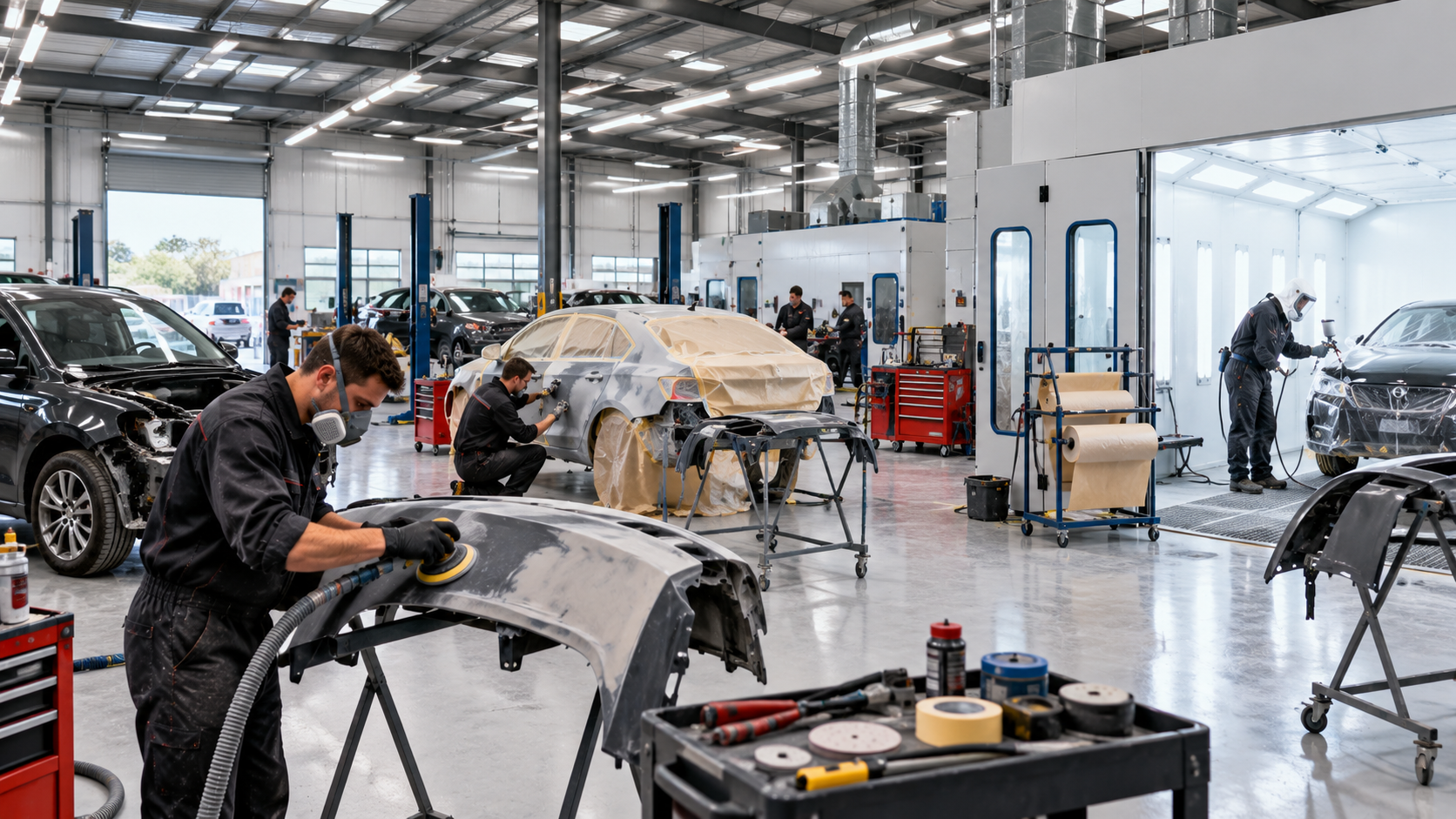
Grab the wrong abrasive and you’ll either waste hours or ruin a finish before it’s even sprayed. Find out exactly when non-woven pads outperform sandpaper, and when reaching for one could mask a bigger problem on the panel.
Key Takeaways
- Non-woven surface-conditioning abrasives work best for light scuffing, blending and surface cleaning rather than aggressive material removal
- Grade, backing and grain vary across non-woven abrasives, so the paint system’s preparation requirement should decide which one gets picked
- Flexible pads follow contours well, but a rigid disc or hand block is the better choice when a job needs controlled flattening
- Always check whether an abrasive is meant for hand use or a specific machine, and confirm attachment and speed compatibility before starting
- Edges and raised body lines need extra care, since it’s easy to remove more coating there than intended
Panel preparation often comes down to choosing the right abrasive for a specific moment in the paint process, and non-woven surface-conditioning pads have a particular job to do. Used correctly, they scuff, blend and clean without cutting too deep into the coating beneath. Used for the wrong task, they can leave a surface under-prepared or waste time trying to achieve a result they were never designed for. This is a mix-up worth setting out clearly, so technicians know where non-woven pads fit and where they don’t, and IPS Paint stocks a wide abrasives range covering both.
Best Suited for Light Scuffing, Not Stripping
Non-woven surface-conditioning abrasives are built from a web of synthetic fibres coated with abrasive grain, rather than a solid sheet of grit like sandpaper. That open structure makes them gentle by design, which is exactly why they suit light scuffing on primed or coated surfaces rather than removing material down to bare metal. The goal with this type of abrasive is almost always to add a key, a slightly roughened surface that helps the next coat bond, rather than to strip a panel back.
Using a non-woven pad for heavy material removal, filler shaping or sanding through old paint tends to end in frustration. The web loads up, the pad glazes over, and the technician ends up spending far longer than a standard paper or film abrasive would have taken for the same job. Matching the abrasive to the task from the outset saves time and avoids inconsistent results across a panel.
Sandpaper and film abrasives remain the standard choice for producing a consistent scratch pattern during cutting and flattening work. Non-woven pads come into their own afterwards, refining a surface or giving it a final scuff before the next stage of finishing.
Where Non-Woven Pads Earn Their Place
There are a handful of jobs where a non-woven pad genuinely outperforms a sheet of sandpaper, and most of them involve control rather than speed.
Scuffing and Blending Between Coats
Between coats of primer, basecoat or lacquer, a non-woven pad can lightly scuff the surface without creating a severe scratch pattern. This matters because overly aggressive scuffing between coats can show through the finish, particularly on lighter colours or high-gloss topcoats. The pad’s job here is to dull the surface just enough for the next coat to grip, nothing more.
Cleaning and Light Deburring by Hand
Away from the spray booth, non-woven hand pads are useful for cleaning surface contaminants, removing light rust or flaking from metal, and taking the edge off minor burrs. Unlike steel wool, they leave behind no fine metal fibres that could contaminate a refinish surface later, making them a safer option around areas that will eventually be painted.
Following Contours Without Undercutting
The fibre web conforms to curves and complex shapes in a way that a rigid disc simply can’t match. On wheel arches, swage lines and other contoured panel sections, this conformability helps the pad maintain even contact and reduces the risk of undercutting or gouging, especially when worked at low to medium pressure.
Matching Grade to the Paint System
A flexible pad is not automatically the right pad. The preparation grade called for by the paint system in use should always come first, with the abrasive chosen to match it rather than the other way round.
Backing, Grain and Grade All Vary
Non-woven abrasives differ in backing stiffness, grain type and grade just as much as paper abrasives do. A pad designed for fine blending behaves very differently from one intended for deburring or cleaning flaked metal, even though both might look similar at first glance. Checking current product documentation, and testing the setup on a scrap panel where possible, avoids guesswork on a live repair.
Dry, Wet or Lubricated Use
Non-woven pads can be used dry, with water, or with an oil-based lubricant depending on the job and the specific product. Wet or lubricated use often suits cleaning or removing oxidation, while dry use is more common for scuffing between coats. The paint manufacturer’s process documentation, alongside the abrasive’s own instructions, should guide which method applies for a given stage.
Hand, Machine or Rigid Block?
Non-woven abrasives come in hand pad form and as machine-mounted discs, and the two require checking the setup before swapping between them.
Checking Attachment and Speed Compatibility
Machine-mounted non-woven discs need a compatible backing pad or mandrel to run safely and effectively. Speed matters too; some surface-conditioning discs are intended for low-speed use, with guidance for certain products capping speeds around 3000rpm. Running a disc faster than intended, or fitting it to the wrong backing pad, risks an inconsistent finish or premature wear of the product.
When a Rigid Disc or Block Wins Instead
Where a job calls for controlled flattening, rather than scuffing or blending, a rigid disc or hand block is usually the better tool. The firmer backing holds a flat plane across the surface in a way a flexible non-woven pad can’t, which matters when levelling filler or correcting a high or low spot before primer goes on. Reaching for a non-woven pad in this situation tends to mask the problem rather than fix it.
Protecting Edges and Body Lines
Edges, swage lines and raised body features deserve particular attention when working with any abrasive, non-woven pads included. It’s easy to apply slightly more pressure at an edge without noticing, and because these areas often already carry a thinner coat of paint, that extra pressure can remove more of the existing coating than intended. A light, even touch across the whole panel, with extra care taken as the pad crosses a line or edge, helps keep the coating thickness consistent for the finish coats that follow.
Checking progress regularly rather than working blind for long stretches also helps catch any over-sanding early, before it becomes a bigger repair.
Finishing Before the Topcoat Goes On
Once scuffing or blending with a non-woven pad is complete, the surface usually needs one more step before it’s ready for paint.
Refining with Finer Sandpaper Afterwards
After sanding primer with a non-woven scuffing abrasive, refining the surface with 400 or 600 grit sandpaper is common practice, following the paint manufacturer’s recommendations for the specific system in use. This finer sanding step helps even out the surface texture left by the non-woven pad and prepares it properly for basecoat or topcoat application.
Cleaning Dust Before Coating
Before any coating goes on, removing dust and cleaning the surface according to the approved process matters a great deal. Any residue left behind, whether from the non-woven pad or the finer sandpaper used afterwards, can show up as imperfections in the finished paintwork, undoing much of the preparation work that came before it.
Match the Abrasive, Not Just the Flexibility
Flexibility is a useful property, but it’s only one factor among several. Backing stiffness, grain type, grade and the intended method of use all need to line up with the stage of the repair and the paint system’s requirements. A non-woven pad chosen simply because it feels comfortable to hold, or because it’s flexible enough to reach a curve, may still be the wrong product if the grade or method doesn’t match what the job demands.
Treating abrasive selection as part of the overall paint-system process, rather than a separate decision made on the fly, tends to produce more consistent panel preparation and fewer surprises once the topcoat goes on. For technicians stocking up or reviewing their current range, it’s worth browsing a dedicated abrasives range to compare pad types, grades and backings side by side before the next job goes to the booth.