
Net Abrasives vs Conventional Discs: What Bodyshops Should Consider
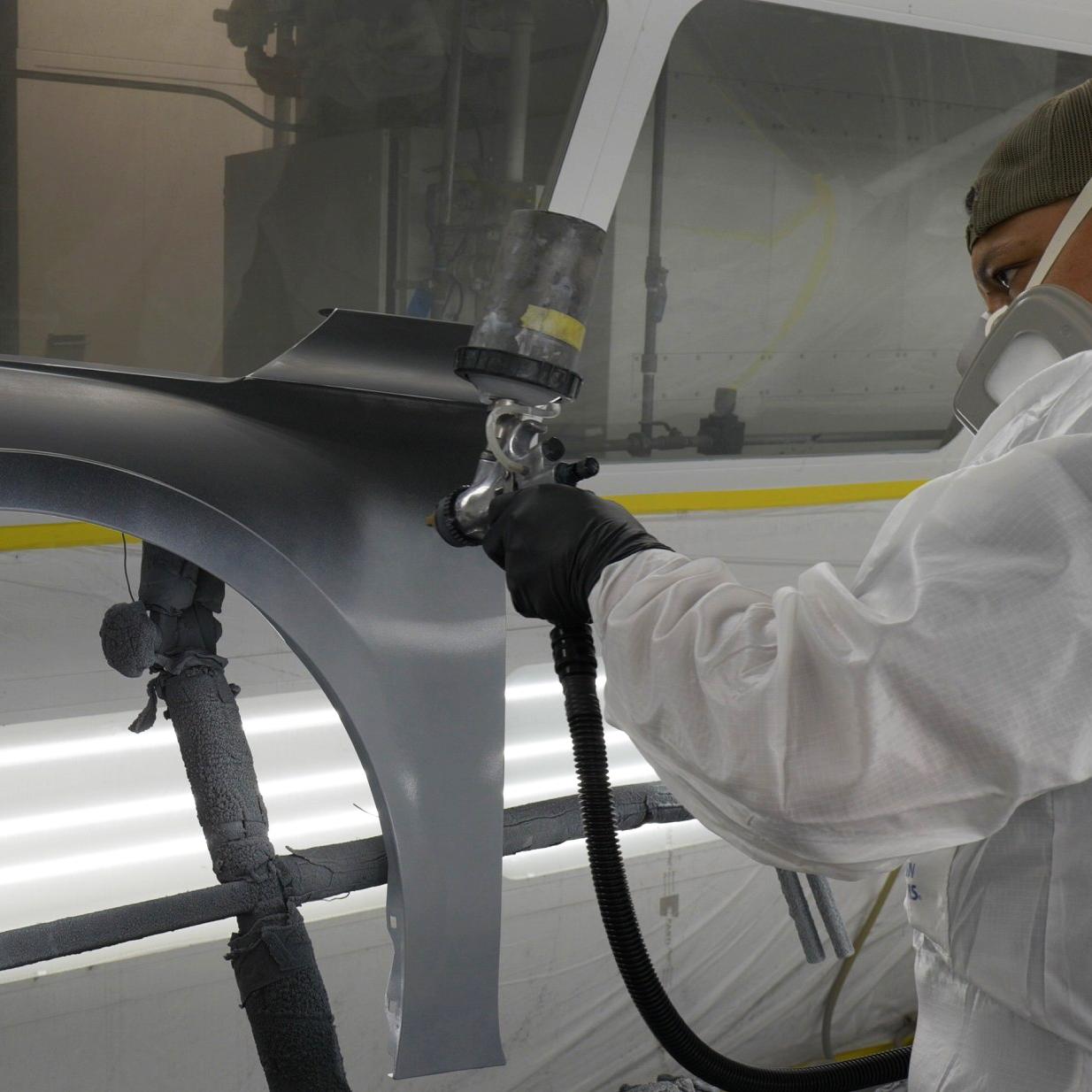
Grabbing whatever disc is nearest might be costing your bodyshop in rework and wasted time. One overlooked factor, how each disc clears sanding dust, quietly determines finish quality, disc life and extraction performance on every panel you touch.
Key Takeaways
- The best abrasive format depends on the repair area, the tool being used, the required finish and the abrasive system specified for the job
- Net discs use an open-mesh surface that lets dust pass through across the whole disc, while conventional discs rely on holes aligned with the backing pad
- Checking disc diameter, attachment type and dust-extraction compatibility against the machine and backing pad helps avoid control and extraction problems
- Many bodyshops get better results stocking both net and conventional formats rather than forcing every job through one type
- A practical buying checklist should record machine model, backing-pad size, extraction layout and the grit grades the paint system specifies, covered in more detail below
Choosing abrasive discs can feel like a small decision in the middle of a busy repair schedule, yet it shapes how clean a panel finishes and how much rework a technician ends up doing. Net abrasives and conventional punched-hole discs both have a place in collision repair, and the right pick comes down to the task at hand rather than brand loyalty or old habits. IPS Paint, which supplies abrasives and bodyshop consumables across South Wales, treats this as a matter of matching the product to the process, not picking a side.
The Real Difference Comes Down to Dust
Sanding dust is a quiet troublemaker in any repair job. Left on a panel, it can work its way back into the surface, interfere with primer or filler adhesion, and lead to rework that nobody budgeted time for. The core distinction between net and conventional discs is how each one deals with that dust during sanding, and that single factor affects finish quality, disc life and how well an extraction system actually performs.
Getting this right matters more than it might first appear. A disc that clogs quickly cuts less efficiently, needs replacing sooner, and can leave uneven scratch patterns that show up once primer or basecoat goes on. Understanding how each format manages dust is the starting point for choosing properly, rather than guessing which one happens to be on the shelf.
How Net and Conventional Discs Actually Work
Open-Mesh Surface vs Punched Holes
Net abrasive discs are built from an open-mesh material, so dust can pass through the surface at many points rather than being funnelled through a fixed set of holes. Conventional discs, by contrast, use a solid backing with holes punched at specific positions, designed to line up with extraction ports on the sanding machine’s backing pad.
This difference affects more than how the disc looks. A mesh surface spreads dust clearance across the whole working area, which can help reduce clogging during longer sanding sessions, particularly when paired with a dust-extraction system. A punched-hole disc depends on those holes staying unblocked and properly positioned, since the extraction path is more concentrated.
Why Hole Alignment Matters for Extraction
Conventional discs only extract dust efficiently when their holes line up correctly with the backing pad’s extraction openings. Fit one slightly off-centre, and suction efficiency drops even if the disc itself is in good condition. Net discs sidestep this particular problem, since there is no single hole pattern that needs to match up.
That does not make net discs extraction-proof on their own. Their dust-clearing performance still depends on being used with a proper extraction system; the mesh design simply gives dust more places to escape through rather than guaranteeing it will. Technicians who understand this distinction are better placed to troubleshoot when a job seems to be leaving more residue than expected.
Choosing by Repair Task, Not Habit
Matching the Panel Shape to the Disc
A broad, flat bonnet panel calls for different support and control than a tightly curved bumper corner or a narrow sill edge. Flatter areas generally suit a firmer-backed disc that keeps consistent pressure across a wide surface, while contoured panels often benefit from a more flexible abrasive that can follow the curve without digging in or leaving flat spots.
This is where net abrasives tend to show an advantage, since their construction can offer more flexibility over contours compared with heavier-backed film discs. Heavier-backed conventional discs, meanwhile, may suit applications where a firmer abrasive surface is needed to maintain control on flat panels. Matching disc type to panel geometry, rather than reaching for whatever is nearest, keeps technique consistent across a repair.
Getting the Finish the Paint System Demands
Sanding covers several distinct stages, including material removal, shaping filler, refining sanding scratches, scuffing and final preparation before paint. Each stage needs an abrasive grade and format suited to what happens next in the process, because the surface condition left behind has to match what the paint system’s instructions actually call for.
Skipping this step, or assuming one grit and format will do for every stage, is a common source of rework. If sanding scratches are not properly refined before the next stage, they can show through the finished coating, meaning the panel may need reworking. Following the sanding sequence specified for the repair and coating system, rather than relying on memory or convenience, protects both the finish and the time spent getting there.
Checking Compatibility Before You Buy
Disc Diameter, Attachment and Backing Pad
Before any order goes in, it pays to check disc diameter, attachment type and grit range against the sanding machine and backing pad being used. A disc that does not fit its backing pad correctly can compromise both control and dust extraction, undermining the benefits of whichever format was chosen in the first place.
This sounds obvious written down, yet it is one of the more common mistakes in a busy workshop, especially when a technician grabs a box of discs that looks similar to the usual stock. A few seconds spent confirming the attachment system, whether hook-and-loop or another fixing, saves a wasted disc and a frustrated technician.
Dry Sanding and Your Extraction Setup
Where dry sanding is specified for a repair, the abrasive, backing pad, machine and extraction arrangement all need to work together as a compatible system. Dust extraction should be used during sanding to help achieve the intended process and the surface condition the job requires; treating extraction as optional, rather than part of the sanding method, increases the chance that dust left on the panel contributes to rework further down the line.
For an unusual process or substrate, it is worth checking directly with the abrasive and coating manufacturers before substituting a different disc or extraction setup, since assumptions here can affect both finish quality and overall workshop efficiency.
Why Stocking Both Formats Makes Sense
A workshop trying to force every job through a single abrasive format, net or conventional, is likely to run into compromises somewhere along the line. Net discs bring genuine benefits for contoured panels and longer sanding runs where clogging is a concern, while conventional discs can still be the better choice for flat panel work needing a firmer, more controlled cut. Keeping both on the shelf, properly labelled and sorted by grit and diameter, gives technicians the flexibility to pick the right tool for each stage of a repair rather than making do.
Stocking a wider abrasive range also reduces the temptation to improvise with the wrong product when the ideal disc is not to hand, a habit that tends to show up later as inconsistent finishes or unexpected rework.
Building a Buying Checklist That Works
Comparing abrasive products becomes far easier with a short checklist to hand, rather than relying on memory during a busy ordering session. A useful record should cover:
- The sanding machine model and its compatible attachment type
- Backing-pad size and diameter
- The workshop’s extraction layout and whether it suits mesh or punched-hole discs
- Common repair tasks carried out on each machine
- The grit grades specified by the relevant paint system
Keeping this information up to date means any technician placing an order, not just the person who usually handles abrasives, can compare products accurately and avoid a mismatched purchase. Treat this checklist as a living document, updated whenever a new machine or paint system is introduced, rather than something written once and forgotten.
No Single Format Suits Every Bodyshop Job
Net and conventional discs both do their job well when matched to the right task, panel shape, equipment and extraction setup. Treating one format as universally superior overlooks the practical differences that actually affect finish quality and rework rates on the shop floor. A bodyshop that reviews its repair tasks, checks compatibility carefully, and keeps a sensible mix of abrasive formats in stock puts itself in a far stronger position than one chasing a single perfect disc for every job.
For a straightforward way to compare grades and formats side by side, browse the current abrasives range before placing the next workshop order.